
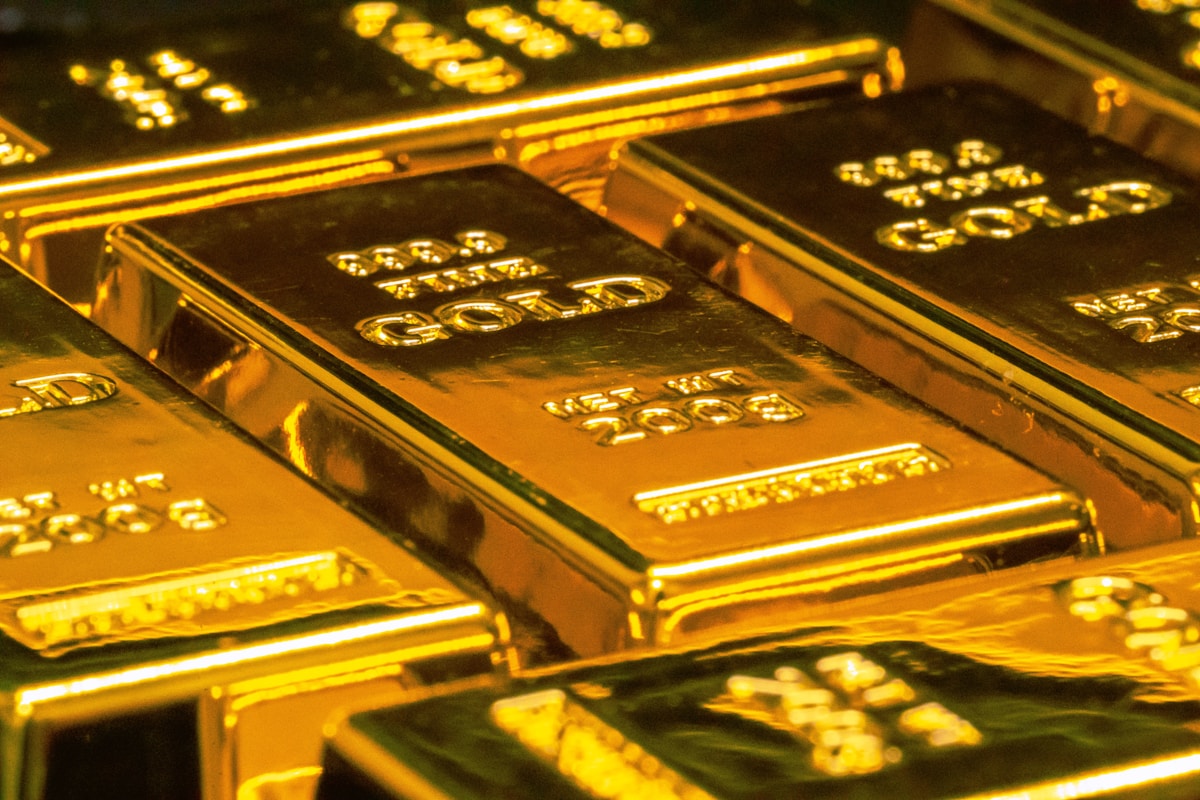
India just raised import tariffs on gold and silver to 15% in a move that telegraphs serious concern about the rupee's weakness and the country's current account deficit. When governments take actions that directly affect cultural practices—and gold purchases are deeply embedded in Indian culture—you know the economic pressure is real.
The tariff increase, announced by government order, represents a significant jump from previous levels and is designed to curb demand for precious metal imports that drain foreign exchange reserves. India is the world's second-largest consumer of gold, importing hundreds of tons annually for jewelry, investment, and ceremonial purposes.
Here's what's really happening: the rupee is under pressure from multiple directions. A strong U.S. dollar, elevated oil prices, and foreign investor outflows are all weighing on the currency. India runs a chronic current account deficit, meaning it imports more than it exports. Gold imports make that deficit worse because they represent pure consumption without productive investment.
The timing matters. This isn't a routine policy adjustment—it's a response to accelerating currency weakness. When emerging market central banks start implementing measures that will be politically unpopular, they're usually behind the curve. Indian households aren't going to like paying 15% more for gold, especially during wedding season when gold purchases traditionally spike.
The broader context is that India is facing the same challenge confronting many emerging markets right now: dollar strength is exposing vulnerabilities. Countries that run current account deficits and have significant external debt denominated in dollars are particularly exposed. The Federal Reserve's higher-for-longer interest rate stance keeps the dollar strong and emerging market currencies weak.
For India specifically, the calculus involves multiple moving parts. The country's economy has been growing strongly, but that growth requires energy imports. Oil priced in dollars becomes more expensive as the rupee weakens. That creates inflation domestically, which prompts the Reserve Bank of India to consider raising rates, which can slow growth. It's a policy trilemma with no easy answers.
The gold tariff hike is essentially asking Indian consumers to help stabilize the currency by reducing import demand. Will it work? Probably not as much as policymakers hope. Gold demand in India has cultural and investment components that are relatively price-inelastic. People buy gold for weddings regardless of tariffs. Investors buy gold as inflation protection—and if tariffs make domestic gold more expensive, it actually reinforces the inflation narrative that drives gold demand in the first place.