
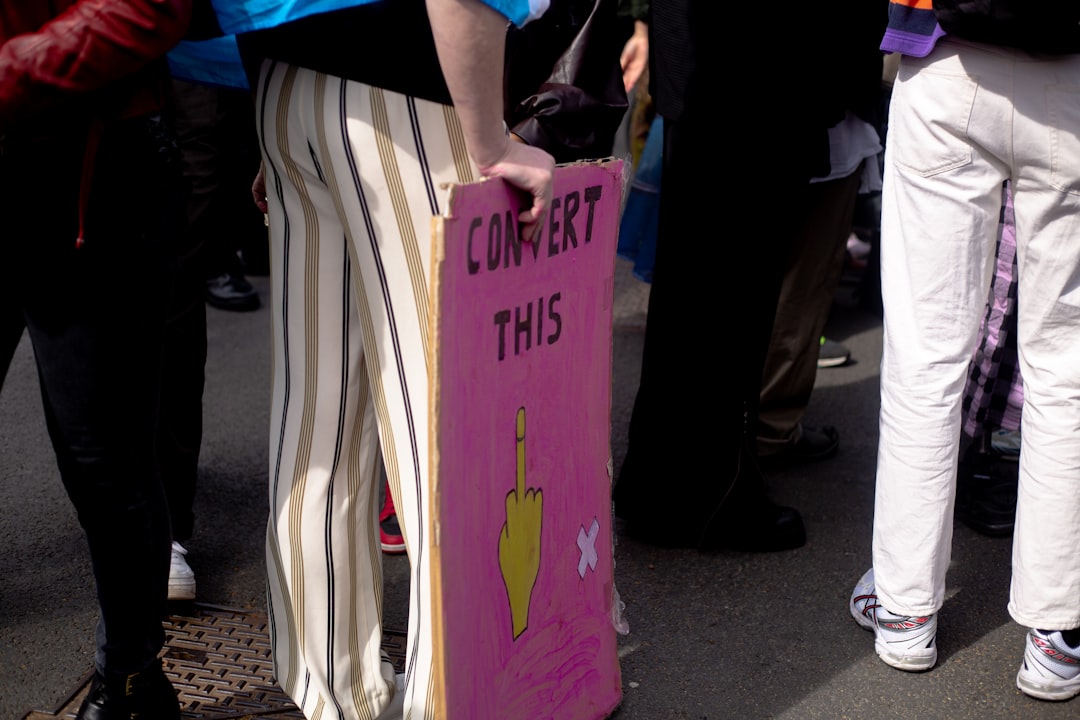
India's transgender community erupted in anger after Parliament passed the Transgender Persons (Protection of Rights) Amendment Bill, 2026 - legislation that redefines who qualifies as transgender, all without consulting the very people it claims to protect.
"Give us poison," activists declared, a devastating expression of betrayal that captures how a law ostensibly about rights feels instead like erasure.
A billion people aren't a statistic - they're a billion stories. For India's hijra community and transgender citizens - estimated at several million people across a country of 1.4 billion - this bill doesn't represent recognition. It represents the state deciding who gets to exist, who gets to claim their identity, who deserves legal protection.
The bill redefines transgender identity criteria, fundamentally altering how the Indian state recognizes gender identity. Critically, it proceeded through Parliament without meaningful consultation with transgender organizations, activists, or community members. A Supreme Court panel has sought the bill's withdrawal, signaling serious constitutional concerns about the legislation.
This is not abstract policy debate. This is about Laxmi Narayan Tripathi and thousands of hijra elders who have fought for decades for recognition. This is about young transgender Indians in Mumbai, Delhi, and Bangalore who finally saw legal acknowledgment of their existence in earlier legislation, now watching the state rewrite the rules of their identity.
The bitter irony: India has a centuries-old hijra tradition, a third gender recognized in South Asian culture long before Western concepts of transgender identity emerged. Yet modern Indian democracy, in 2026, passes a bill about transgender rights without asking transgender people what they need.
Activists argue the bill creates bureaucratic barriers to identity recognition, potentially forcing transgender individuals through humiliating certification processes. It may restrict access to reservations, social welfare benefits, and legal protections that earlier legislation promised. The government has not publicly detailed its justification for proceeding without community input.