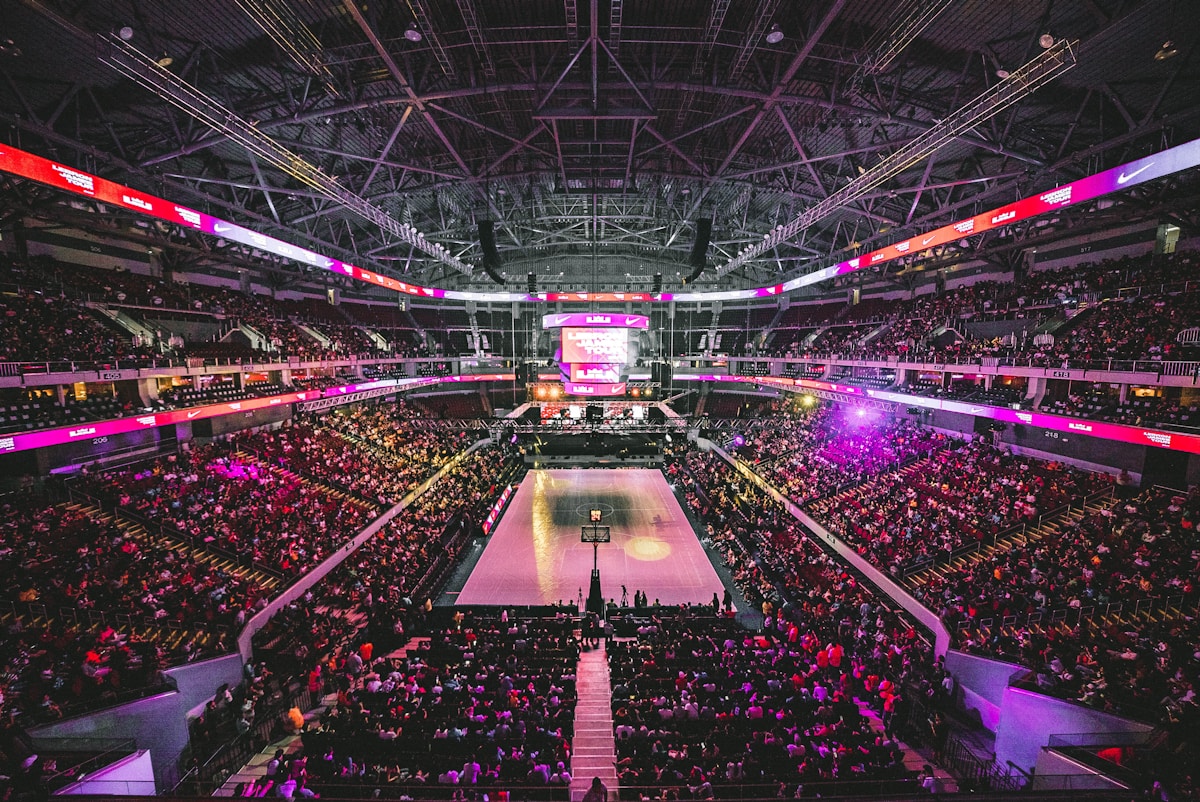
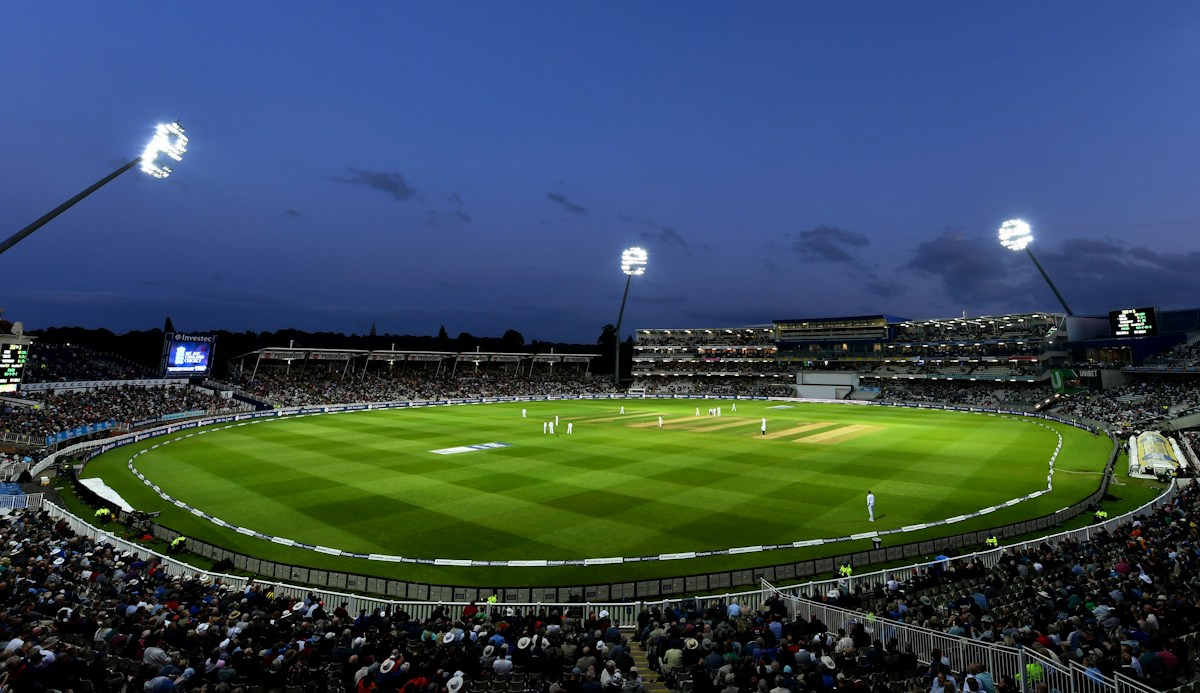
The Narendra Modi Stadium in Ahmedabad hosts cricket's biggest stage today as India faces New Zealand in the T20 World Cup 2026 final, with 132,000 spectators packed into the world's largest cricket stadium and hundreds of millions watching across the subcontinent.
The semifinal between India and England set a historic global streaming record, according to the ICC, underscoring cricket's unmatched economic and cultural footprint in India. The final is expected to shatter even those numbers, with industry analysts projecting over 400 million concurrent viewers across digital and broadcast platforms.
In India, as across the subcontinent, scale and diversity make simple narratives impossible—and fascinating. The tournament has generated an estimated $2 billion in advertising revenue, sold out every India match weeks in advance, and turned the nation's productivity into a negotiable concept for match days.
The closing ceremony features performances by Ricky Martin, Falguni Pathak, and Sukhbir, blending international star power with regional favorites—a formula that mirrors India's broader cultural strategy of balancing global ambitions with local identity. Meanwhile, cricket boards across the subcontinent are calculating their share of the ICC's expanded prize pool, which now guarantees even associate nations a minimum of $250,000.
For India, a win would cement the team's dominance in the format and provide a morale boost heading into the 2027 ODI World Cup. For New Zealand, it's a chance to prove that smart cricket can compete with India's overwhelming resources and home advantage. Either way, today's match is less about sport and more about India's relationship with the game that defines its national mood.