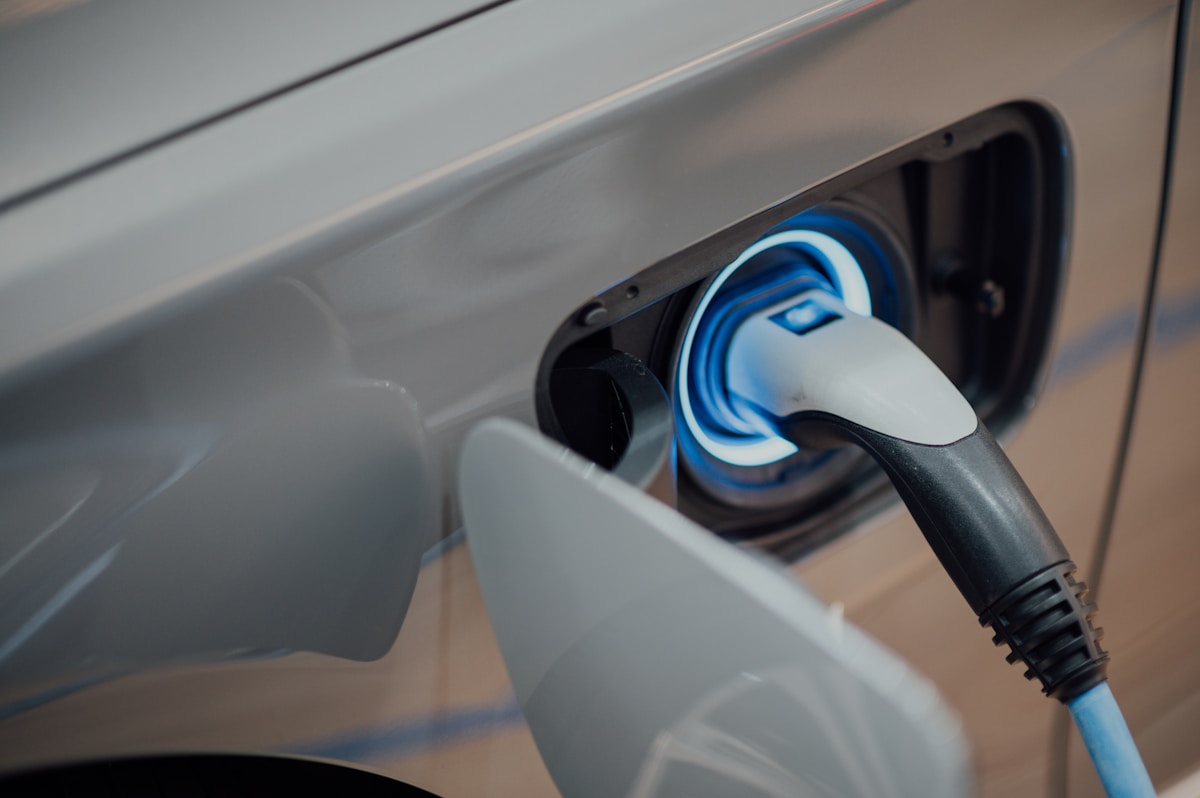
India and the European Union have launched a €15.2 million initiative to build the subcontinent's electric vehicle battery recycling infrastructure - a critical piece of the puzzle as India races to become the world's EV factory.
The question no one's asking loudly enough: Is €15 million anywhere near enough?
The program, announced under the India-EU Trade and Technology Council, will establish a joint pilot recycling line in India to recover lithium, graphite, and cobalt from used batteries. According to DD India, proposals are due by September 15, with EU's Horizon Europe providing funding and India's Ministry of Heavy Industries supporting domestic partners.
"This is a pivotal moment in our strategic partnership," said Principal Scientific Adviser Ajay Kumar Sood, emphasizing the need for domestic recycling capacity as India's EV market expands.
But here's the scale of the challenge: India aims to have 30% of all vehicles electric by 2030. That means tens of millions of batteries entering the waste stream within a decade. The country currently recycles less than 1% of lithium-ion batteries formally - the rest flows into the vast informal e-waste sector.
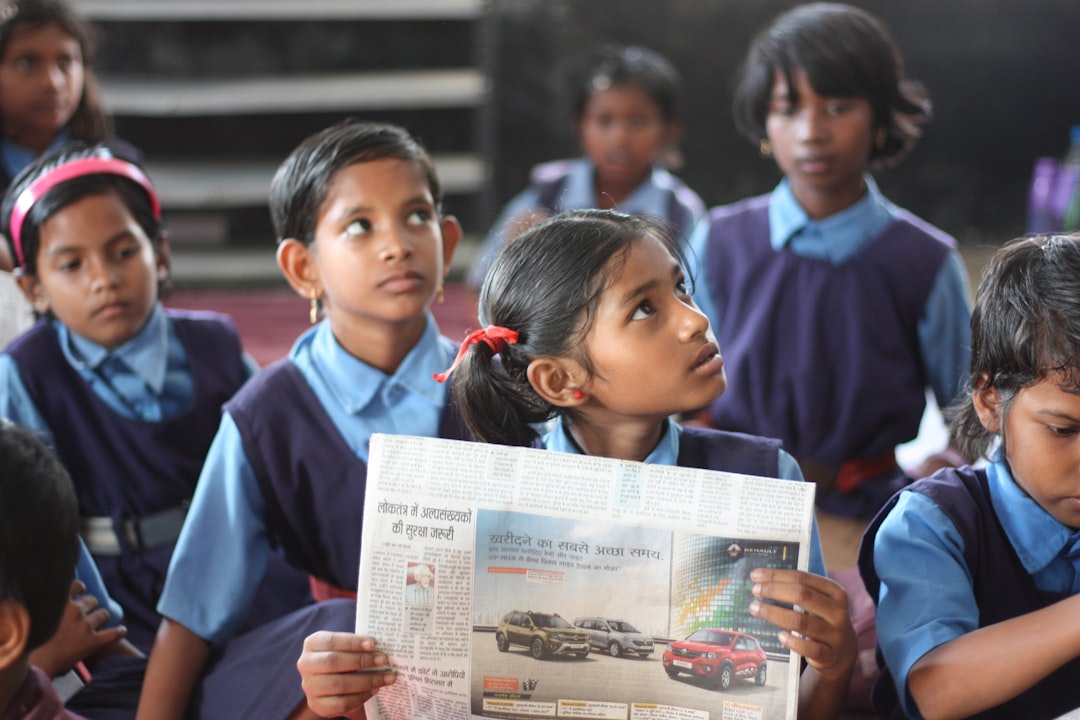
A billion people aren't a statistic - they're a billion stories. For Rajesh Kumar, who runs an informal battery dismantling operation in Delhi's Seelampur electronics market, the EU initiative feels distant. "We handle thousands of batteries with our bare hands," he told researchers last year. "No protective equipment, no safety training. The acid burns our skin."
The informal e-waste sector employs an estimated 1.5 million Indians - many of them children and migrants - who recover valuable metals through dangerous manual processes. EU Ambassador Hervé Delphin highlighted batteries' "central role in green transitions," but the transition must account for these workers.
The initiative prioritizes high recovery rates, managing mixed battery chemistries, and enabling second-life applications. That's sophisticated technology. The pilot plant will test real-world conditions before industrial deployment - essential given India's diverse climate, from Rajasthan's desert heat to Kerala's monsoon humidity.
Marc Lemaître, the EU official coordinating the program, stressed building "cross-continental value chains for material security." Translation: both India and Europe want to reduce dependence on China, which currently controls 70% of global lithium battery recycling.
But €15.2 million buys you one pilot plant. China has invested billions in battery recycling infrastructure over the past decade. India's EV ambitions require not one demonstration facility but hundreds of commercial-scale plants across 28 states.
Environmental researchers note that without proper recycling, India risks creating a toxic waste crisis. Each EV battery contains 5-10 kg of lithium, 10-15 kg of cobalt, and 30-40 kg of nickel. When those batteries end up in landfills or informal dismantling yards, heavy metals leach into groundwater that 600 million Indians depend on.
The September deadline for proposals will test whether India's research institutions and private companies can meet EU standards for environmental safety and material recovery efficiency. The Ministry of Heavy Industries promises matching support, but specific funding commitments haven't been announced.
This is a good start - pilot projects generate data, train workers, establish protocols. But as India positions itself as the global south's EV manufacturing hub, the gap between €15 million pilots and the billions needed for comprehensive infrastructure remains a chasm that neither Delhi nor Brussels has explained how to bridge.