
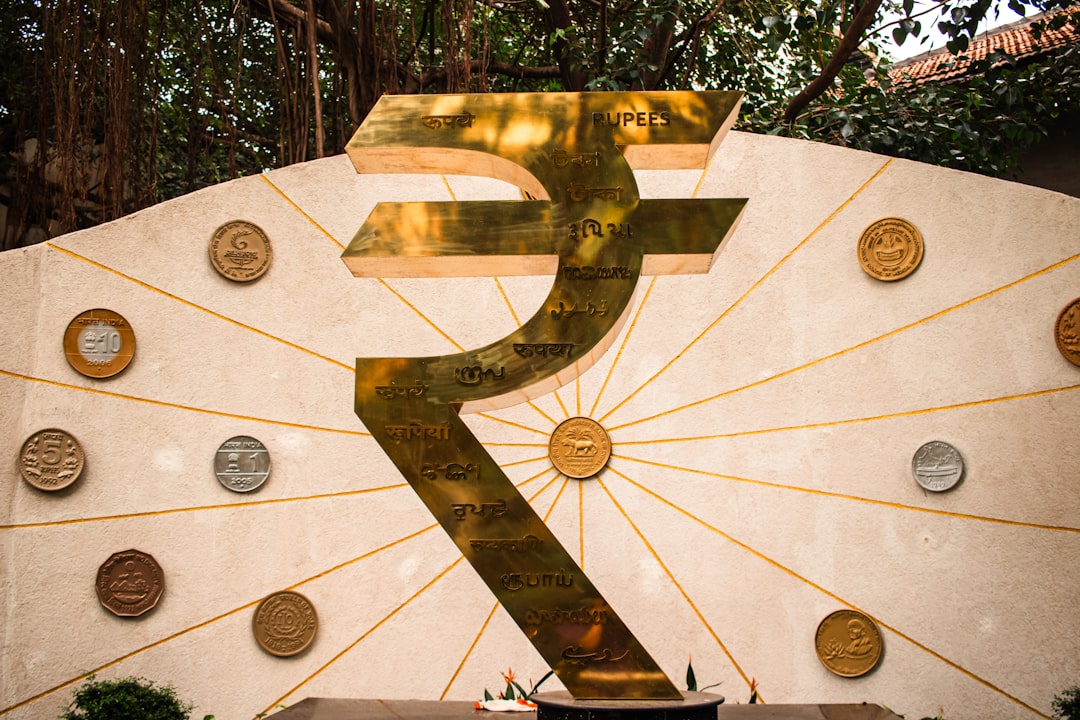
On March 22, 2026, one US dollar cost ₹94.01 in India—a record low that encapsulates the nation's deepest economic contradiction. India is simultaneously the world's fourth-largest economy by total GDP and home to crushing per-capita poverty that ranks it 146th globally, below Indonesia, Nigeria, and barely ahead of Bangladesh.
The rupee has now depreciated 97 percent since independence in 1947, when the same dollar cost ₹3.30. "If you had held ₹100 at independence, its purchasing power in dollars would be worth ₹3 today," according to economic analysis by Siddhant Manna.
What ₹94 Means on the Ground
For Rajesh Kumar, a Delhi autorickshaw driver, the falling rupee means his cooking gas cylinder now costs ₹1,100—nearly two full days of earnings. For Priya Mehta, a Bangalore software engineer eyeing graduate school abroad, her ₹15 lakh savings now converts to $15,957 instead of the $23,000 it would have bought five years ago. For India's 1.4 billion people, the rupee's collapse isn't an abstract economic indicator—it's the rising cost of medicine, mobile phones, and dreams of studying or working overseas.
"Every time the rupee falls, ordinary Indians get poorer in global terms," said Dr. Arvind Subramanian, former Chief Economic Adviser to the Government of India. "We're growing as a nation, but we're not catching up to the world."
The Acceleration
What's particularly alarming is the pace of depreciation. The rupee took 1,815 days to fall from ₹65 to ₹70 against the dollar. It took just 200 days to fall from ₹85 to ₹90. And it took roughly 90 days to plunge from ₹90 to ₹93-plus. The curve is getting steeper.
Multiple crises converged to push the rupee over the edge. The United States imposed 50 percent tariffs on Indian goods in August 2025, devastating exports. Foreign investors withdrew $18.5 billion from Indian equity markets as global uncertainty mounted. Brent crude oil surged above $111 per barrel due to the crisis, hammering , which imports over 80 percent of its crude oil. And the Reserve Bank of India's forex reserves, once a proud $705 billion in September 2024, have fallen to $625 billion as the RBI spent billions defending the currency.