
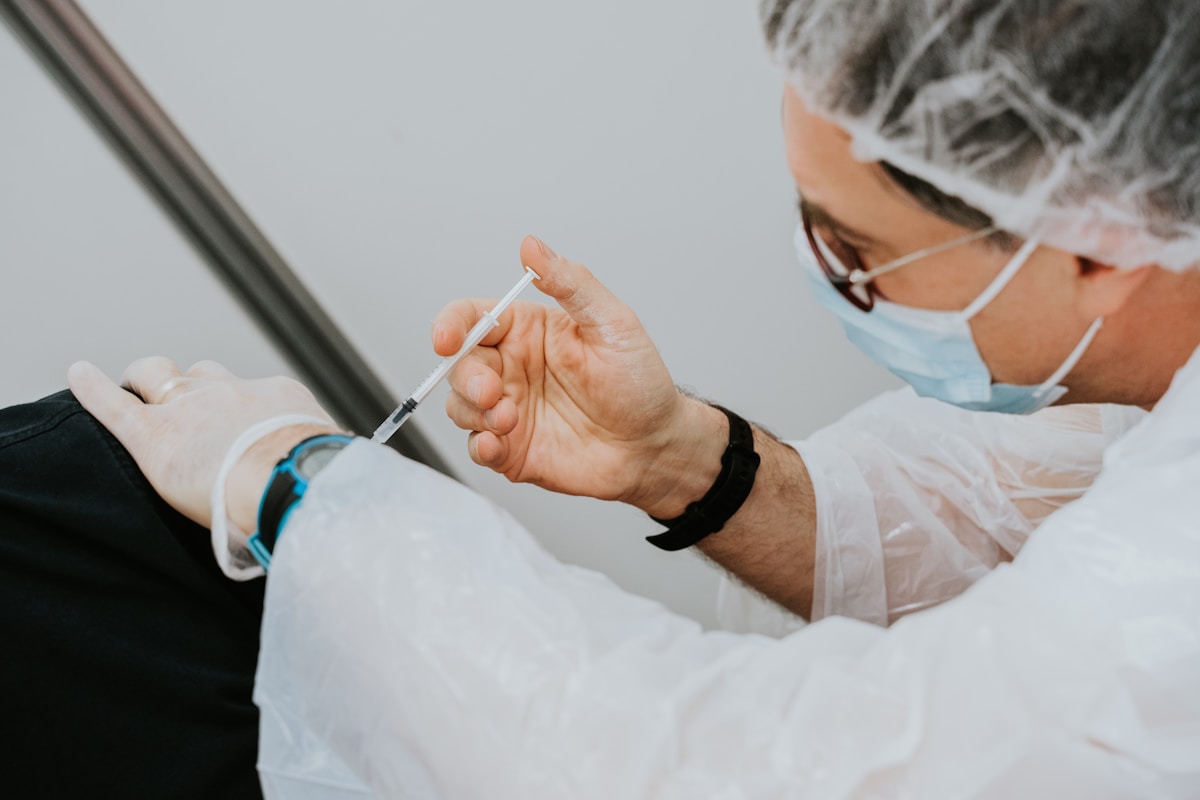
India is approaching final approval for its first dengue vaccine as the mosquito-borne disease surges across South Asia, threatening hundreds of millions in a region that accounts for over 70 percent of the global dengue burden.
A technical committee has recommended approval of Takeda Pharmaceutical's Qdenga vaccine for use in India, according to sources familiar with the regulatory process. The Drug Controller General of India is expected to make a final decision within weeks.
The timing couldn't be more critical. India reported more than 94,000 dengue cases in 2025, though public health experts say actual numbers are likely ten times higher due to underreporting in rural areas. Neighboring Bangladesh, Pakistan, and Sri Lanka have seen similar spikes.
A billion people aren't a statistic - they're a billion stories. For Meena Devi, a domestic worker in Delhi, dengue means choosing between paying for her daughter's treatment or this month's rent. Her 12-year-old spent four days in a government hospital last monsoon as her platelet count dropped dangerously low.
"The doctor said she could have died," Meena said. "Now every mosquito bite makes me afraid."
Dengue fever causes severe flu-like symptoms and can progress to dengue hemorrhagic fever, which has a mortality rate of up to 20 percent without proper treatment. There is no specific antiviral therapy; treatment focuses on supportive care and fluid management.
The Qdenga vaccine has already been approved in the European Union, United Kingdom, Brazil, and several Southeast Asian countries. Clinical trials showed it reduced hospitalization risk by 84 percent and symptomatic dengue by 61 percent across all four dengue virus serotypes.
But vaccine access remains a question mark. At current pricing in other markets, the two-dose regimen costs approximately $70-100 - more than a week's wages for most Indians. Health advocates are pushing for subsidized public distribution, particularly in high-burden states like Maharashtra, Tamil Nadu, and .