
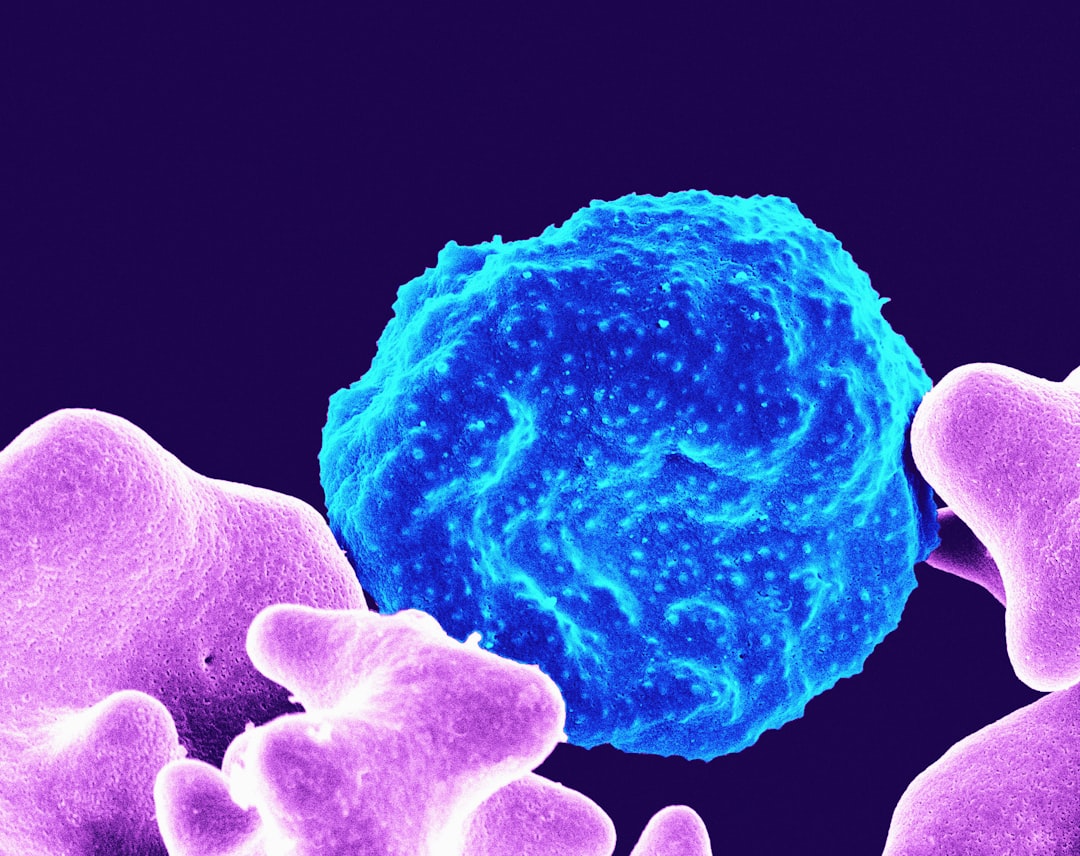
Here's the jaw-dropper: even after you successfully lose weight, your immune cells remember you were obese. And that memory lasts between 5 to 10 years.
A decade-long study led by Professor Claudio Mauro at the University of Birmingham has revealed that obesity leaves lasting molecular "tags" on DNA in helper T cells—a critical component of the immune system. These tags, created through a process called DNA methylation, persist long after the weight comes off.
The research, supported by the National Institute for Health and Care Research, examined four different population groups: patients receiving weight loss injections, individuals with Alstrom Syndrome, participants in exercise interventions, and osteoarthritis patients undergoing surgery. They also studied mouse models to understand the underlying mechanisms.
What they found changes how we need to think about weight loss and health.
These molecular tags disrupt two essential cellular processes: autophagy (the cell's waste removal system) and immune senescence (how the immune system ages). Even when body weight normalizes, these helper T cells don't immediately return to their pre-obesity state. They retain this dysregulated programming.
The clinical implications are significant. This immune memory could explain why people who've lost weight remain at elevated risk for type 2 diabetes and certain cancers for years afterward. Short-term weight loss, while beneficial, doesn't immediately erase the biological consequences of obesity.
"Ongoing weight management following loss will see the 'obesity memory' slowly fade," Professor Mauro notes. The timeline? That same 5-10 year window. Sustained weight maintenance isn't just about preventing regain—it's about allowing your immune system to gradually forget the obesity state.
There's a silver lining in the research: the team identified potential therapeutic targets. SGLT2 inhibitors, a class of drugs already used for diabetes management, show promise in reducing inflammation and supporting the clearance of these dysfunctional immune cells.
This is elegant science revealing something genuinely important. If you've ever wondered why maintaining weight loss feels like fighting an uphill battle, you're not imagining it. Your immune system is literally working from old programming.
But understanding the mechanism means we can eventually intervene. The universe doesn't care what we believe about willpower—it cares about DNA methylation patterns in CD4+ lymphocytes. And that's something we can measure, study, and eventually manipulate.