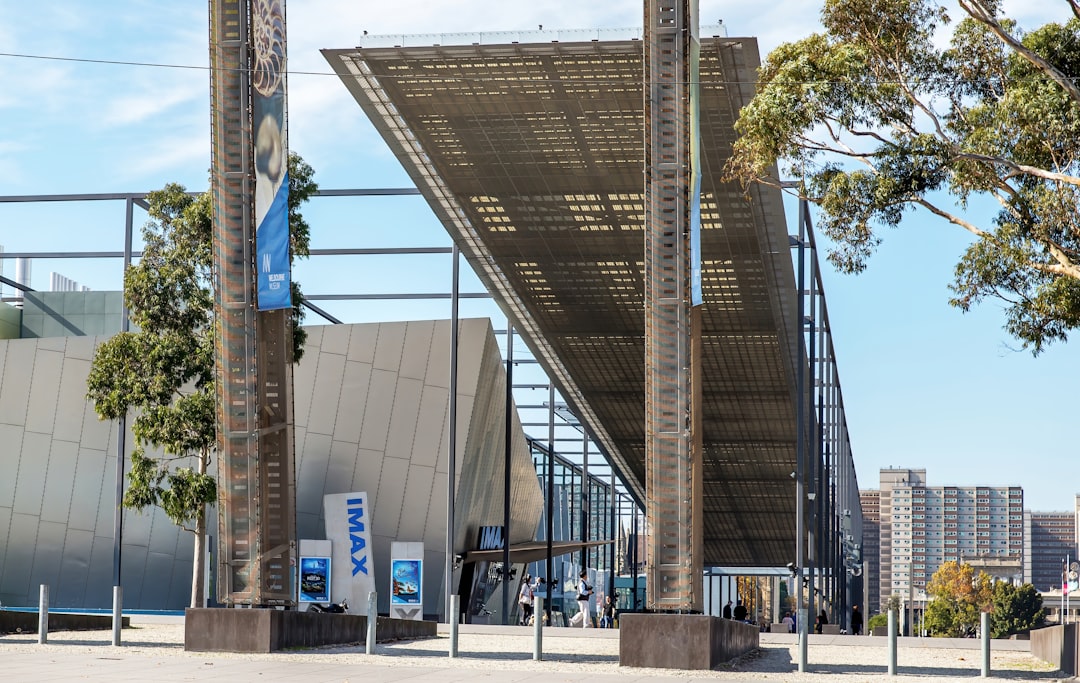
Here's something you don't see often: IMAX is bringing Project Hail Mary back to its screens after a brief hiatus for The Super Mario Galaxy Movie.
This isn't standard procedure. IMAX screens are coveted real estate—studios fight for those slots, and films typically get their window and move on. But Project Hail Mary pulled in roughly $60 million from IMAX screenings alone out of its $300 million total. That's 20% of the film's box office from a premium format.
Those numbers told IMAX something important: audiences weren't just showing up for Ryan Gosling in space. They were showing up for the experience.
The film's return during available showtimes suggests IMAX recognizes it has a rare thing on its hands—a movie that can sustain demand beyond the typical two-week exclusive window. It's a flex that only works when the audience actually wants it.
The Super Mario Galaxy Movie is getting its two-week IMAX run starting Wednesday, followed by The Mummy on April 17. But Phil Lord and Chris Miller's sci-fi adaptation will slot back in during gaps—because why leave money on the table?
This tells us something broader about theatrical exhibition in 2026. The conventional wisdom says everything is streaming, audiences won't pay for premium formats, theatrical is dying. But films like Project Hail Mary prove that audiences will pay more—if you give them something worth paying for.
Cerebral sci-fi with practical effects, a story that rewards attention, and visuals designed for the biggest screen possible? That's the theatrical value proposition. It's also increasingly rare.
IMAX's decision to bring the film back is a quiet vote of confidence in a specific kind of moviemaking—expensive, ambitious, and unapologetically smart. The kind of film that studios are increasingly reluctant to make.