Iceland could join the European Union by 2028, a government minister said Tuesday, marking what would be the bloc's first expansion since Croatia joined in 2013.
The announcement from an Icelandic minister - reported by Reuters - signals renewed momentum for EU enlargement in the North Atlantic, bringing a strategically valuable Arctic nation into the fold at a time when Brussels is reassessing its northern security posture.
This would be the first EU expansion in 15 years. That's the lede. Croatia joined in 2013, and since then the EU's enlargement machinery has ground nearly to a halt, stalled by internal debates over migration, sovereignty, and whether the bloc can absorb new members without major institutional reform.
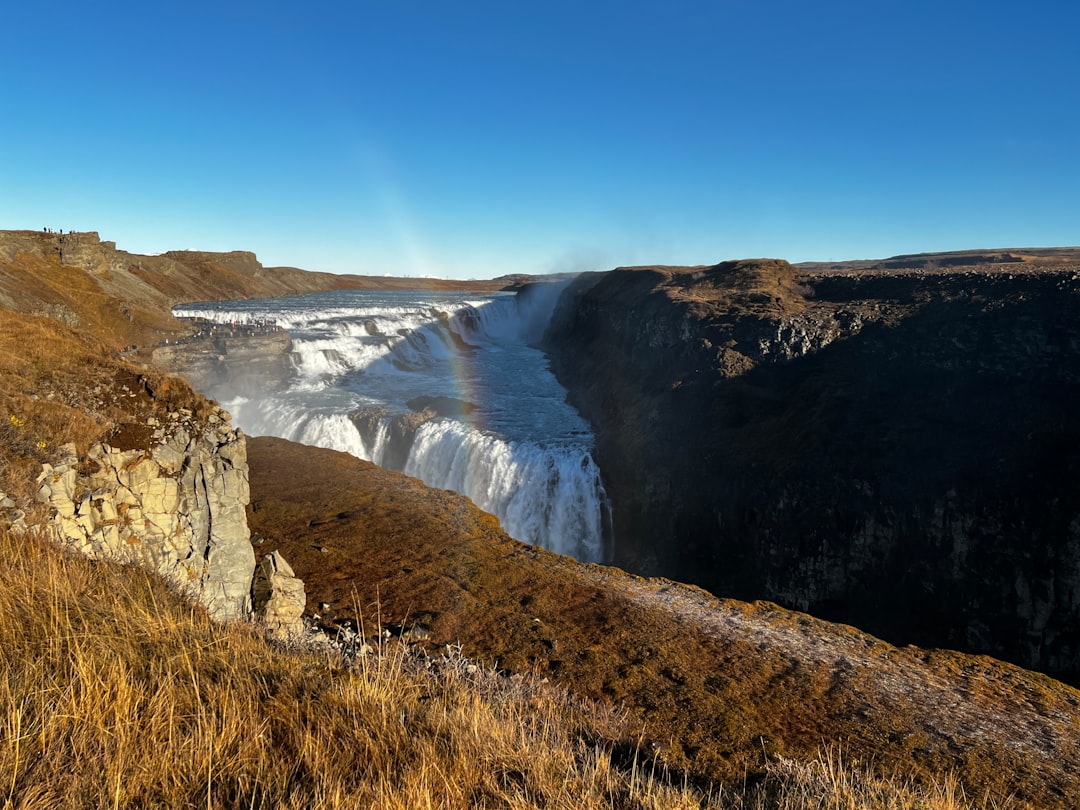
Iceland brings assets Brussels badly wants: Arctic access, massive fishing zones, renewable energy resources (geothermal and hydropower), and a stable democracy that already implements most EU rules through its membership in the European Economic Area.
The island nation of 380,000 people applied for EU membership in 2009 following its banking crisis, then froze the application in 2013 when a euroskeptic government took power. But Iceland has remained closely aligned with Brussels through EEA membership - implementing Single Market rules, contributing to EU programs, and accepting free movement.
What's changed? Security concerns in the North Atlantic, accelerated by Russia's war in Ukraine, have made Iceland's strategic location more valuable. The country sits astride key maritime routes between North America and Europe, hosts a NATO air base, and controls access to Arctic waters increasingly contested by Russia and China.
For Brussels, Iceland offers something rare: an easy enlargement. The country already meets most membership criteria, has a functioning market economy, stable democratic institutions, and no territorial disputes with neighbors. Unlike Balkan candidates stuck in accession negotiations for decades, Iceland could move quickly.
But fishing remains the complication it always was. Iceland's economy depends heavily on fisheries, and Icelandic fishing interests have long opposed joining the EU's Common Fisheries Policy, which would open Icelandic waters to vessels from other member states. Any accession referendum will turn on whether the government can negotiate acceptable terms on fisheries access.