Hyundai is demanding a massive deployment of Boston Dynamics robots for its manufacturing operations—we're talking tens of thousands of units. This isn't a YouTube demo anymore. This is a real customer with real money buying real robots at scale, and it signals a major acceleration in industrial automation.
According to Gizmodo's reporting, Hyundai wants these robots ASAP. The company has announced plans for a robotics factory capable of producing 30,000 Atlas robots per year. That's a massive scale-up from Boston Dynamics' current production capacity of four robots per month.
Let's put that in perspective: Boston Dynamics has spent over two decades perfecting humanoid robotics. They've created viral videos of Atlas doing backflips and parkour. But until now, it's been mostly research and development. The business model was always unclear. How do you monetize robots that are engineering marvels but cost hundreds of thousands of dollars each?
Hyundai just answered that question: you sell them to automotive manufacturers who need flexible, human-shaped robots for factory tasks that haven't been automatable before.
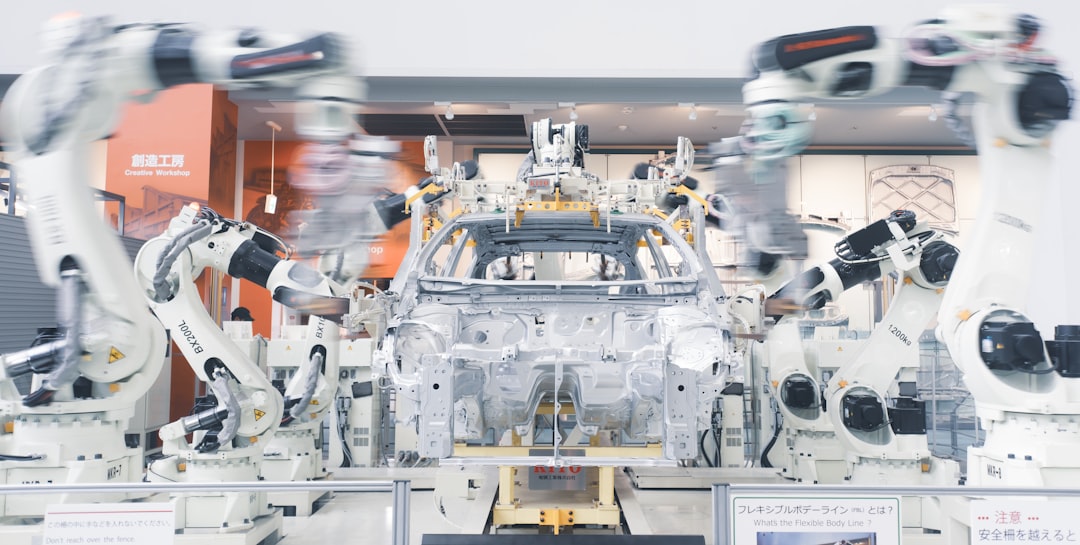
The robots heading to Hyundai's automotive plants are production-ready versions of the Atlas humanoid robot showcased at CES earlier this year. These aren't the first robots in Hyundai factories—automotive manufacturing has used robotic arms for decades. But those are stationary machines doing repetitive tasks in controlled environments.
Humanoid robots are different. They can navigate human-designed spaces, use human tools, and adapt to varied tasks. In theory, you can redeploy them as production needs change without redesigning the entire factory floor.
The timing matters. Tesla is pushing hard on its Optimus humanoid robot program, and the competitive pressure is real. Hyundai's board is reportedly frustrated by manufacturing delays while competitors advance their robotics capabilities. Hence the urgency—get tens of thousands of robots deployed, and do it fast.
But here's the question nobody's answering publicly: what happens to the workers? Automotive manufacturing employs millions of people globally. If humanoid robots can do the jobs currently done by humans, what's the plan for those workers?
Hyundai hasn't said much about this, and that's telling. Companies rarely lead with in their press releases, even when that's exactly what they're doing. The usual corporate line is that robots will human workers or handle dangerous tasks. Sometimes that's true. Often it's not.