

Washington — Economists are warning that sustained closure of the Strait of Hormuz risks triggering global depression as China declines President Trump's request for assistance in reopening the critical waterway, exposing the limits of American power and the complexity of managing a crisis that threatens the world economy.
"If the Strait remains closed, we're not talking about a global recession—we're talking about a depression," according to economic analysts cited by The New Statesman. The stark assessment reflects the waterway's centrality to global energy markets: approximately 20 percent of the world's oil supplies transit the strait under normal conditions.
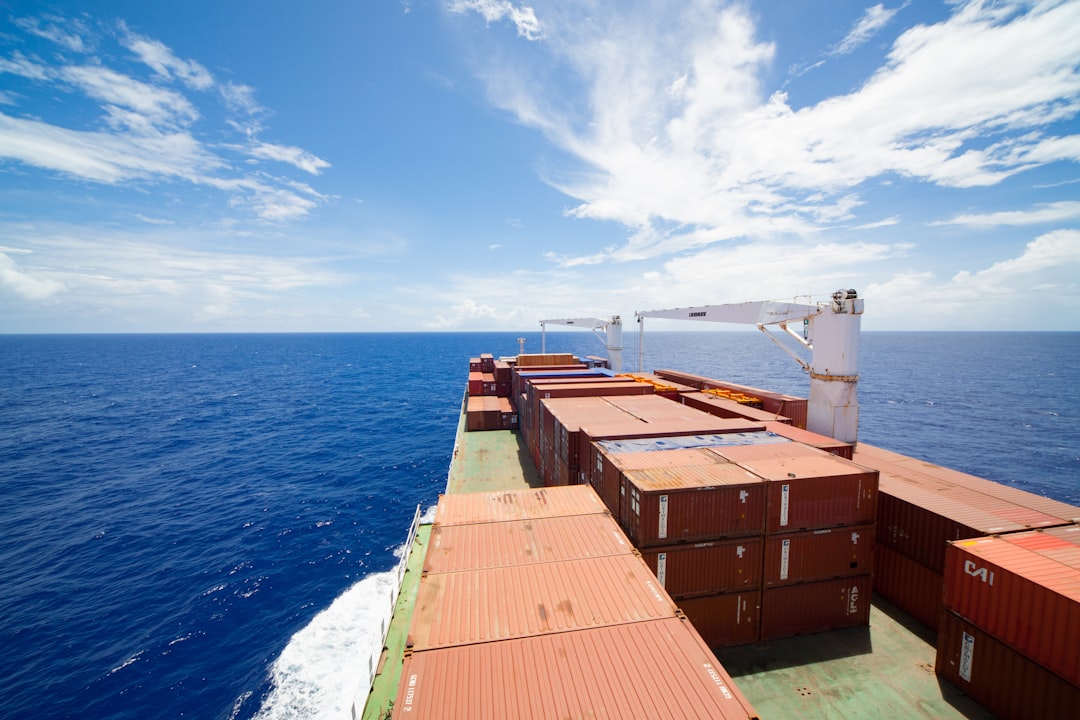
Ship traffic through the passage has collapsed to a fraction of normal volumes since hostilities began 19 days ago. According to reports, only 92 vessels transited the strait in the first 15 days of the conflict, compared to significantly higher volumes on February 27, the last full day before military operations commenced.
Oil prices have responded predictably, surging past $80 per barrel for the first time since 2024—a 13 percent jump that reflects market fears about sustained supply disruption. But price increases, however dramatic, capture only a fraction of the economic consequences. The real damage comes from supply chain disruption, manufacturing shutdowns, transportation cost explosions, and the cascade of secondary effects that ripple through the global economy.
China's Strategic Calculation
President Trump's request for Chinese assistance in reopening the strait has been met with studied ambiguity from Beijing. Rather than committing to help, Chinese officials issued a carefully worded statement calling for all parties to "immediately stop military operations" and avoid further regional escalation—a response that commits China to nothing while appearing reasonable to international audiences.

The Chinese calculation appears straightforward: Why help the United States resolve a crisis of its own making? As one analyst observed, "Washington now needs its principal strategic competitor to help it manage a crisis of its own making." Another noted that "the Iran request is now going to be less pressing for China to fulfill" as American leverage diminishes.
To understand today's headlines, we must look at yesterday's decisions. The Trump administration's maximum pressure campaign against Iran during his first term, including withdrawal from the 2015 nuclear agreement and assassination of IRGC commander Qassem Soleimani, created conditions that have now culminated in open warfare. China, which maintained commercial ties with Tehran throughout this period, has little incentive to rescue American policy from its consequences.
The Economic Weapon
Iran's ability to close the Strait of Hormuz—through naval mines, anti-ship missiles, or simply the threat of attack that makes insurance prohibitively expensive—represents asymmetric warfare at its most effective. Tehran cannot match American or Israeli conventional military power, but it can impose economic costs that far exceed anything those militaries could inflict on Iran through bombing campaigns.
The strait's geography favors Iran. At its narrowest point, the shipping channel passes within range of Iranian coastal defenses. The shallow, confined waters make minesweeping difficult and time-consuming. And the concentration of global oil infrastructure in the Persian Gulf—refineries, loading terminals, pipelines—creates target-rich environments that Iran has now explicitly threatened to strike.
Economists drawing parallels to 2008 may be underestimating the potential damage. The financial crisis originated in a single sector (housing) within a single economy (the United States) and spread through contagion. A sustained energy supply shock affects every economy simultaneously, with cascading effects on manufacturing, transportation, agriculture, and services. There is no easy monetary or fiscal policy response to physical supply shortage.
Trump's Diplomatic Setback
The postponement of President Trump's planned state visit to China, originally scheduled for March 31, underscores Beijing's strategic advantage in the current crisis. While China signaled willingness to reschedule, analysts note the delay works favorably for Beijing as U.S. military resources shift from the Pacific to the Middle East.
This reporter has covered U.S.-China relations through multiple administrations. The current dynamic—with Washington seeking Chinese assistance for crisis management while simultaneously competing with Beijing for global influence—illustrates the contradictions inherent in great power competition in an interconnected world.
China did offer one gesture: $200,000 in emergency humanitarian aid to Iran through Red Cross and Red Crescent channels for families affected by a school bombing. The modest sum matters less than the signal it sends about Beijing's positioning in the conflict.
The Path Forward
Reopening the Strait of Hormuz requires either military action to neutralize Iranian threats—a massive undertaking with no guarantee of success and high risk of further escalation—or diplomatic settlement that addresses Iran's security concerns. The former appears increasingly likely; the latter increasingly distant.
Meanwhile, the global economy slides toward depression as ships avoid the Persian Gulf, oil prices climb, and supply chains fracture. The economic weapon Iran wields may prove more devastating than any military strike, and China's decision to remain on the sidelines ensures that the United States confronts this crisis without the cooperation of the world's second-largest economy. The consequences will be measured not in days or weeks, but in years of reduced growth, diminished prosperity, and the human costs of economic depression on a global scale.



