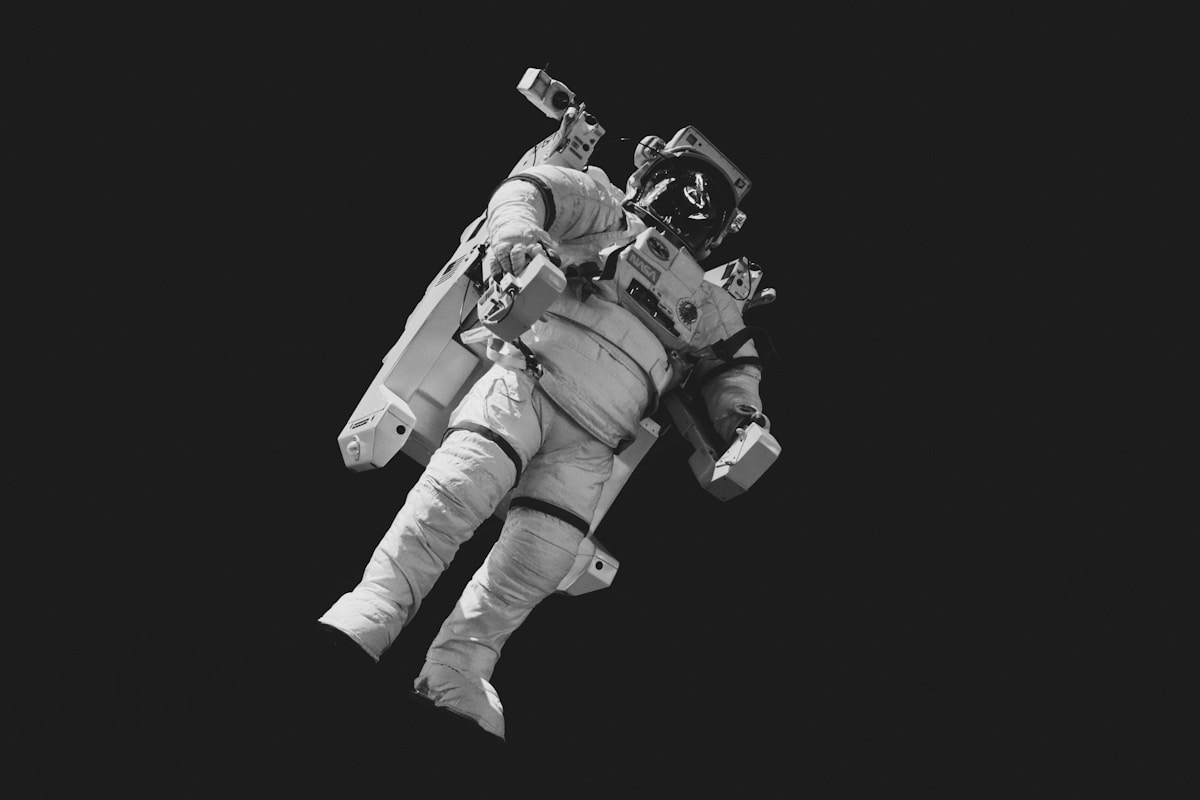
Hong Kong celebrated a historic milestone as its first astronaut launched to space aboard a Chinese crewed mission to the Tiangong space station, marking a significant moment in the territory's integration with China's expanding space program. The flight represents space exploration as soft power diplomacy and regional technological integration.
The astronaut's selection and training through China's space program demonstrates Beijing's approach to incorporating Hong Kong and Macau into national prestige projects, using space achievements to reinforce political bonds while providing opportunities for regional participation in cutting-edge scientific endeavors. Space missions offer powerful symbolism that transcends ordinary political messaging.
China's space station program has rapidly matured into a comprehensive orbital research facility rivaling the International Space Station in capabilities. The Tiangong platform hosts continuous crew rotations, conducts scientific experiments across multiple disciplines, and serves as a testbed for technologies required for lunar exploration and eventual Mars missions. Its operational success represents China's arrival as a comprehensive space power.
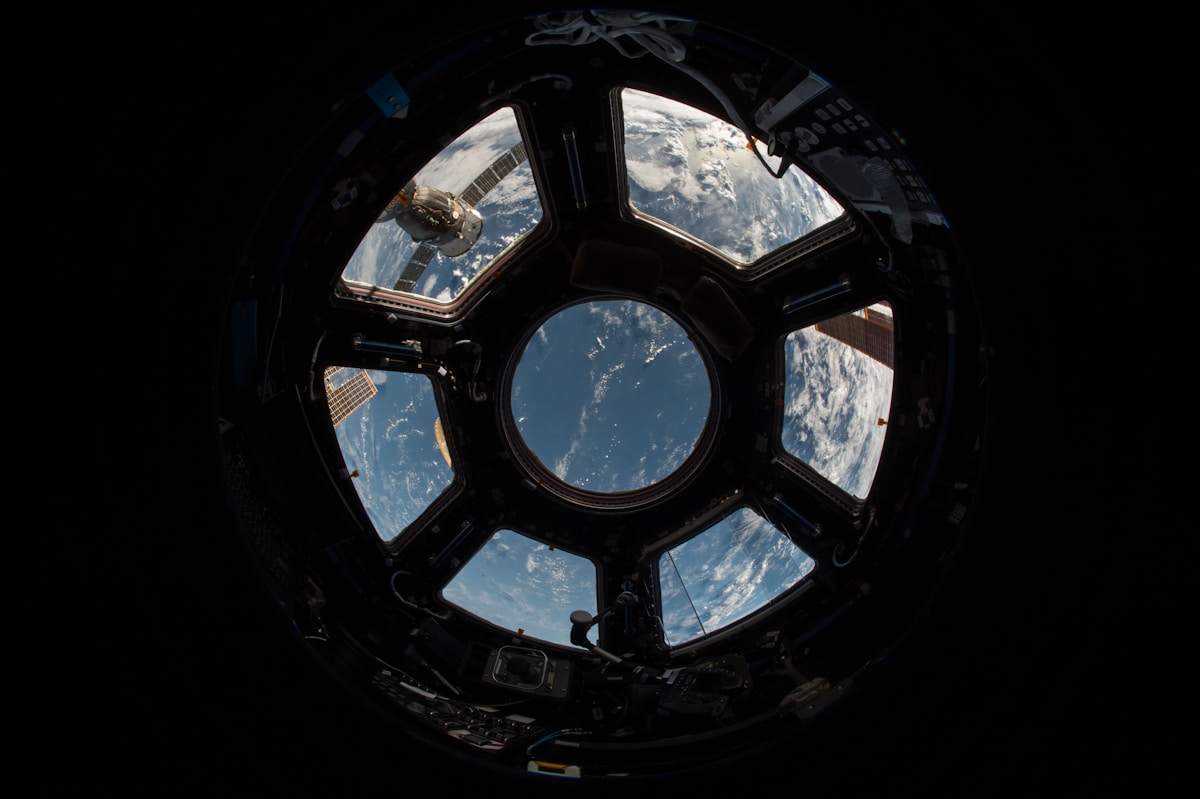
In space exploration, as across technological frontiers, engineering constraints meet human ambition—and occasionally, we achieve the impossible. Hong Kong's astronaut joins an elite group of humans who have lived and worked in orbit, experiencing the unique perspective of viewing Earth from space—a vantage point that historically transforms individuals' understanding of our planet's fragility and interconnectedness.
The mission includes scientific research spanning materials science, biomedical studies, and fundamental physics experiments that benefit from the microgravity environment. Space stations enable long-duration research impossible in ground-based laboratories, with findings often producing unexpected insights into biological processes, materials behavior, and physical phenomena.
Hong Kong's participation reflects China's strategy of incorporating special administrative regions into national programs while maintaining distinct identities. The astronaut underwent the same rigorous training as mainland Chinese crew members, including survival training, spacecraft systems familiarization, and scientific experiment protocols—a process typically requiring several years of intensive preparation.
The flight occurs as China pursues ambitious space goals including lunar sample returns, Mars exploration, and plans for crewed lunar missions later this decade. The nation's space program operates largely independently of international partnerships, developing domestic capabilities across the full spectrum of space activities from launch vehicles to planetary missions.
Beyond the immediate mission objectives, the flight serves diplomatic and inspirational purposes. Space exploration captures public imagination globally, and national space programs often generate pride and interest in science and technology careers. Hong Kong's first astronaut provides a tangible connection between the territory's youth and spaceflight possibilities, potentially inspiring the next generation of scientists and engineers.