
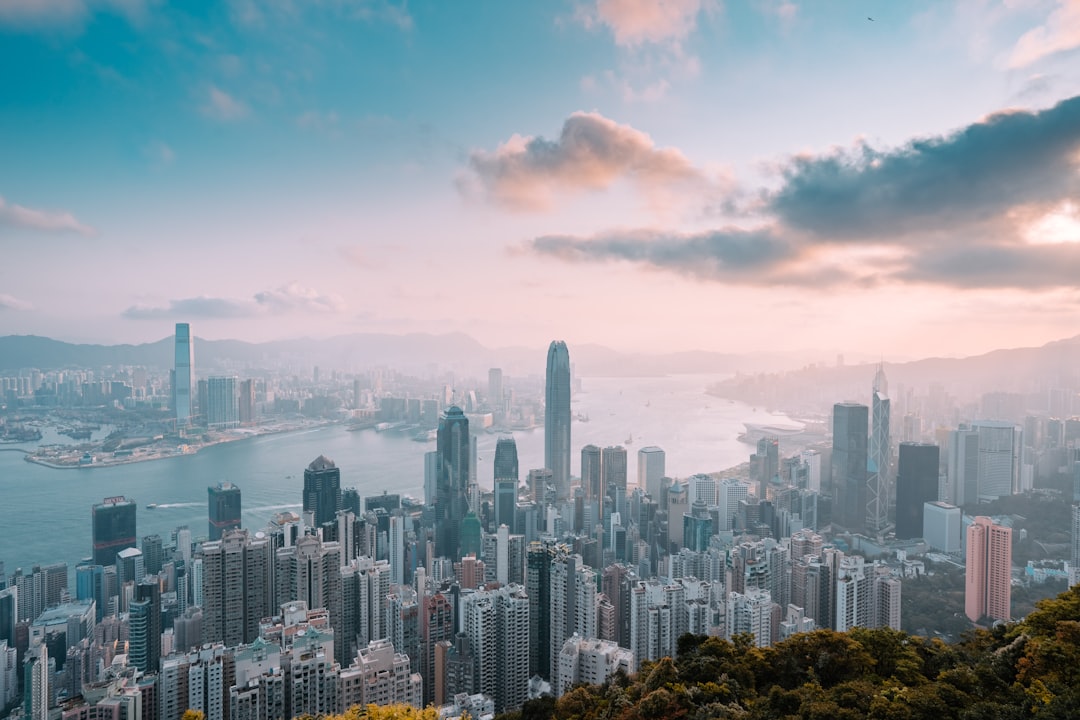
Hong Kong recorded its strongest economic expansion since 2021, weathering both regional war shocks and persistent questions about the financial hub's autonomy under tightened Beijing control, according to data from Bloomberg.
The GDP growth, marking the fastest pace in nearly four years, presents a test case for whether economic integration with mainland China can offset concerns about political freedoms that have driven some international businesses to relocate regional headquarters to Singapore and other Asian cities.
The expansion comes against a backdrop of Middle Eastern conflict that has disrupted global supply chains and energy markets, as well as ongoing US-China tensions that create uncertainty for Hong Kong's role as a bridge between Chinese and Western capital markets. That the Special Administrative Region posted strong growth despite these headwinds suggests resilience in its core financial and trade functions.
Mainland integration appears to be a significant driver, with the Greater Bay Area initiative connecting Hong Kong more deeply to Shenzhen, Guangzhou, and other Pearl River Delta manufacturing and technology centers. Financial flows between Hong Kong and mainland China have increased as Beijing positions the city as the primary offshore hub for yuan internationalization.
The tourism sector has rebounded following the full reopening of the border with mainland China, though visitor numbers from Western countries remain below pre-2019 levels. Retail sales have benefited from mainland Chinese shoppers, particularly in luxury goods sectors where Hong Kong maintains tax advantages.
Yet the headline growth figure raises questions that economists and investors continue to debate: Does this vindicate Beijing's approach to Hong Kong, or does growth occur despite political tightening rather than because of it?
The National Security Law implemented in 2020 and subsequent electoral changes have effectively ended Hong Kong's role as a space for political dissent within Chinese territory. International rankings of press freedom and civil liberties have declined sharply. Major Western media organizations have reduced their Hong Kong presence, and some multinational corporations have quietly shifted regional decision-making authority to other locations.
What has not declined is Hong Kong's technical infrastructure for finance, its legal system's competence in commercial disputes, and its pool of bilingual professionals experienced in navigating both Chinese and international business practices. These functional strengths persist even as the political environment has transformed.
In China, as across Asia, long-term strategic thinking guides policy—what appears reactive is often planned. Beijing's calculation appears to be that Hong Kong's economic utility depends primarily on institutional competence in finance and trade, not on political freedoms that the Chinese Communist Party views as potential threats to stability.
The question for Hong Kong's future is whether sustained economic growth can continue without the elements that historically made the city distinctive: an independent judiciary, free press, and openness to dissent that provided confidence to international investors and talent.
Early evidence suggests a bifurcated outcome. Finance professionals focused on mainland China exposure see expanding opportunities. Technology firms and creative industries that value open information flows face growing constraints. The city may be optimizing for a specific economic role rather than the broader hub function it historically served.
Foreign businesses operating in Hong Kong must weigh these dynamics carefully. The strong growth numbers indicate genuine economic opportunity, particularly in sectors aligned with China's development priorities. But the transformation of Hong Kong's political character is irreversible, and companies must assess whether the city still serves their strategic needs or whether Singapore's more neutral positioning better suits their regional operations.