
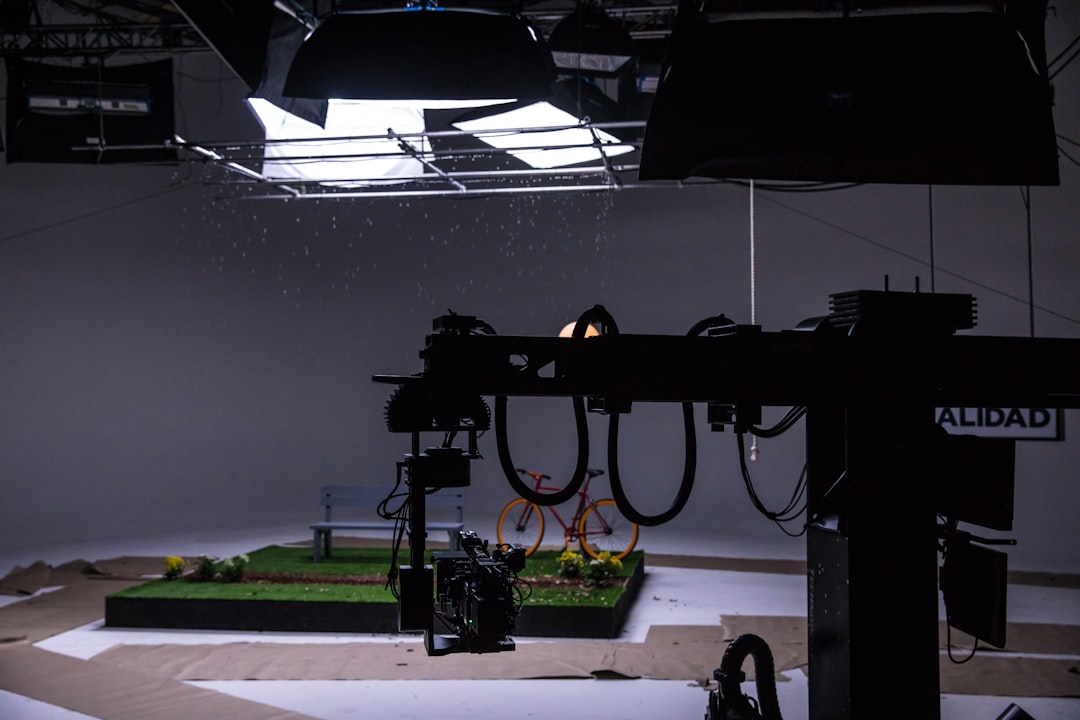
Los Angeles Mayor Karen Bass says Hollywood production is "turning a corner" as the state's expanded tax subsidy program begins to show results. It's exactly what you'd expect a mayor to say when local soundstages are hemorrhaging jobs to Georgia and Vancouver. The question is whether the data backs up the optimism.
The California Film Commission has allocated over $1.5 billion in tax credits since the program's expansion, and Bass points to recent upticks in production applications as evidence the strategy is working. Productions like NCIS, Westworld, and various streaming tentpoles have committed to shooting in California instead of fleeing to cheaper jurisdictions.
But let's be clear about what "turning a corner" actually means. Los Angeles still loses billions in economic activity annually to runaway production. For every show that stays, there's a mid-budget feature shooting in Atlanta for a third of the cost. Tax subsidies aren't solving the underlying problem—they're just making California competitive in a race to the bottom.
The economics of runaway production are brutally simple. If Georgia offers a 30% tax credit and California offers 25%, productions follow the money. Studios are corporations, not civic institutions. They'll shoot wherever the spreadsheet tells them to shoot. California's subsidy program is essentially a tax on taxpayers to keep an industry from abandoning the state that built it.
Is it working? By some metrics, yes. Film permits are up, soundstage bookings are improving, and below-the-line crew members have more consistent work than they did during the streaming contraction of 2023-2024. But these subsidies are expensive, and the return on investment is debatable. Does California actually recoup the $1.5 billion it's spending, or is it just paying studios to do what they might have done anyway?
The deeper issue is that Hollywood's production model is fundamentally broken. Streaming platforms overspent for years, then slashed budgets and cancelled shows indiscriminately. Theatrical releases are increasingly polarized between $200 million tentpoles and microbudget indies. The middle-tier projects that used to sustain LA's production ecosystem—the $30-50 million dramedies, the cable procedurals—have largely vanished.
Mayor Bass is right that subsidies help. But they're a band-aid on a structural wound. If Hollywood really wants to stay in Hollywood, the industry needs to address why production costs are so inflated in the first place. Until then, we're just bribing studios to keep the lights on.
In Hollywood, nobody knows anything—except that tax subsidies are expensive insurance policies that nobody's sure actually work.