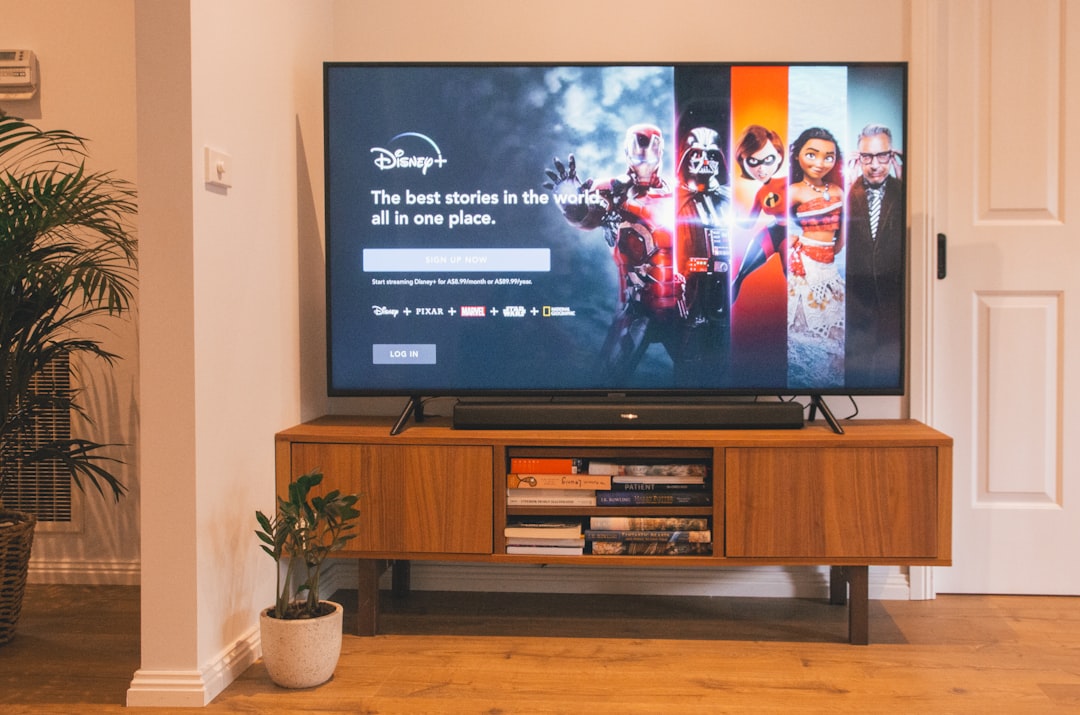
Remember when we warned that putting internet-connected computers in our TVs might have consequences? Well, here we are. Hisense users are reporting that they can no longer switch HDMI inputs, visit home screens, or even change channels without sitting through forced advertisements. And the company denies any wrongdoing.
This isn't a bug. This is a feature.
According to multiple user reports, recent firmware updates have introduced mandatory ad overlays that appear during basic TV operations. Want to switch from your PlayStation to your Apple TV? Watch an ad first. Need to access settings? Ad. Trying to change the channel? You guessed it—another ad.
The implementation is particularly insidious. These aren't banner ads that you can ignore while the TV loads. They're full-screen interruptions that require you to wait through a countdown timer before you can proceed. Some users report 15-30 second delays for operations that should be instantaneous.
What makes this especially frustrating is that people already paid for these TVs. This isn't a subsidized device like an Amazon Fire tablet where you knowingly accept ads in exchange for a lower price. Hisense customers bought what they thought were standard televisions, only to have advertising forcibly injected after the fact through software updates.
When contacted about the practice, Hisense issued a statement denying wrongdoing and claiming the ads are part of providing "enhanced content recommendations." That's corporate speak for "we found a way to monetize your attention after you've already given us money."
The playbook here is familiar to anyone who's watched the slow enshittification of consumer electronics. Step one: release a product that works well. Step two: build market share. Step three: push a software update that degrades the experience but increases revenue. Step four: deny wrongdoing and claim it's an "enhancement."
This is exactly what happened with Amazon's Fire TV devices, which have become progressively more ad-laden over the years. It's what happened with Roku, which now serves ads on the home screen and during content pauses. And now it's happening with Hisense.