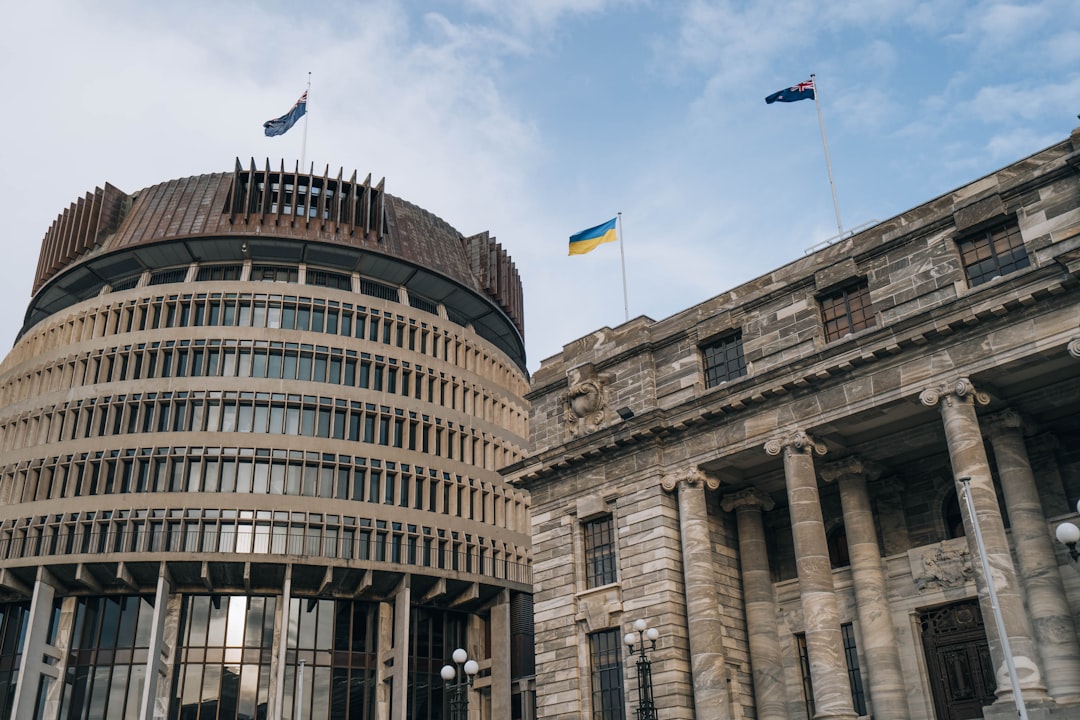

New Zealand's High Court has ruled that Te Pāti Māori unlawfully expelled MP Mariameno Kapa-Kingi, ordering the party to reinstate her and raising important questions about parliamentary democracy and party discipline.
The ruling, reported by The Post, found that the party violated its own rules and natural justice principles when it removed Kapa-Kingi from its caucus. The decision sets a significant precedent for how political parties can discipline elected members.
Kapa-Kingi was expelled following internal disputes over party strategy and leadership. While details of the conflict remain contested, the High Court determined that Te Pāti Māori failed to follow proper procedures before taking action.
The case highlights a fundamental tension in parliamentary systems: who does an MP ultimately represent? The party that got them elected, or the voters who chose them? When parties can simply expel members who dissent, what happens to parliamentary independence?
Mate, this is about more than just one MP and one party. It's about whether elected representatives can be punished for having independent thoughts, or whether they're just party puppets who get discarded the moment they step out of line.
The ruling doesn't prevent parties from expelling members entirely. But it requires them to follow proper processes, provide fair hearings, and demonstrate legitimate grounds. You can't just kick someone out because they annoyed you.
For Te Pāti Māori, the decision is politically awkward but constitutionally important. The party has built its identity around fighting for Māori rights and justice. Having a court rule they violated natural justice is a credibility problem.
The party has indicated it will comply with the court order while reviewing its internal procedures. Kapa-Kingi's reinstatement creates obvious tensions, but the alternative—defying a High Court ruling—would be far worse.
Broader implications extend beyond this case. Other parties have expelled or threatened to expel MPs who break ranks. The ruling establishes clearer boundaries about what's acceptable, potentially giving MPs more protection to vote their conscience.
Opposition parties have seized on the ruling to criticize Te Pāti Māori's internal governance. But they might want to be careful—the same standards now apply to all parties, and most have skeletons in their own disciplinary closets.