
In what might be the most 2026 sentence you'll read today: the creators of Hacks, one of the best comedies currently on television, are planning a DVD box set release because they're terrified their show will simply vanish.
Let that sink in for a moment. We've come full circle. The format we all gleefully abandoned fifteen years ago is now the only insurance policy against corporate deletion.
Lucia Aniello, Paul W. Downs, and Jen Statsky told Deadline that they want physical media "to ensure the show stays in existence" amid ongoing Hollywood mergers and the increasingly common practice of streaming services deleting content for tax write-offs. "It is really scary," they admitted.
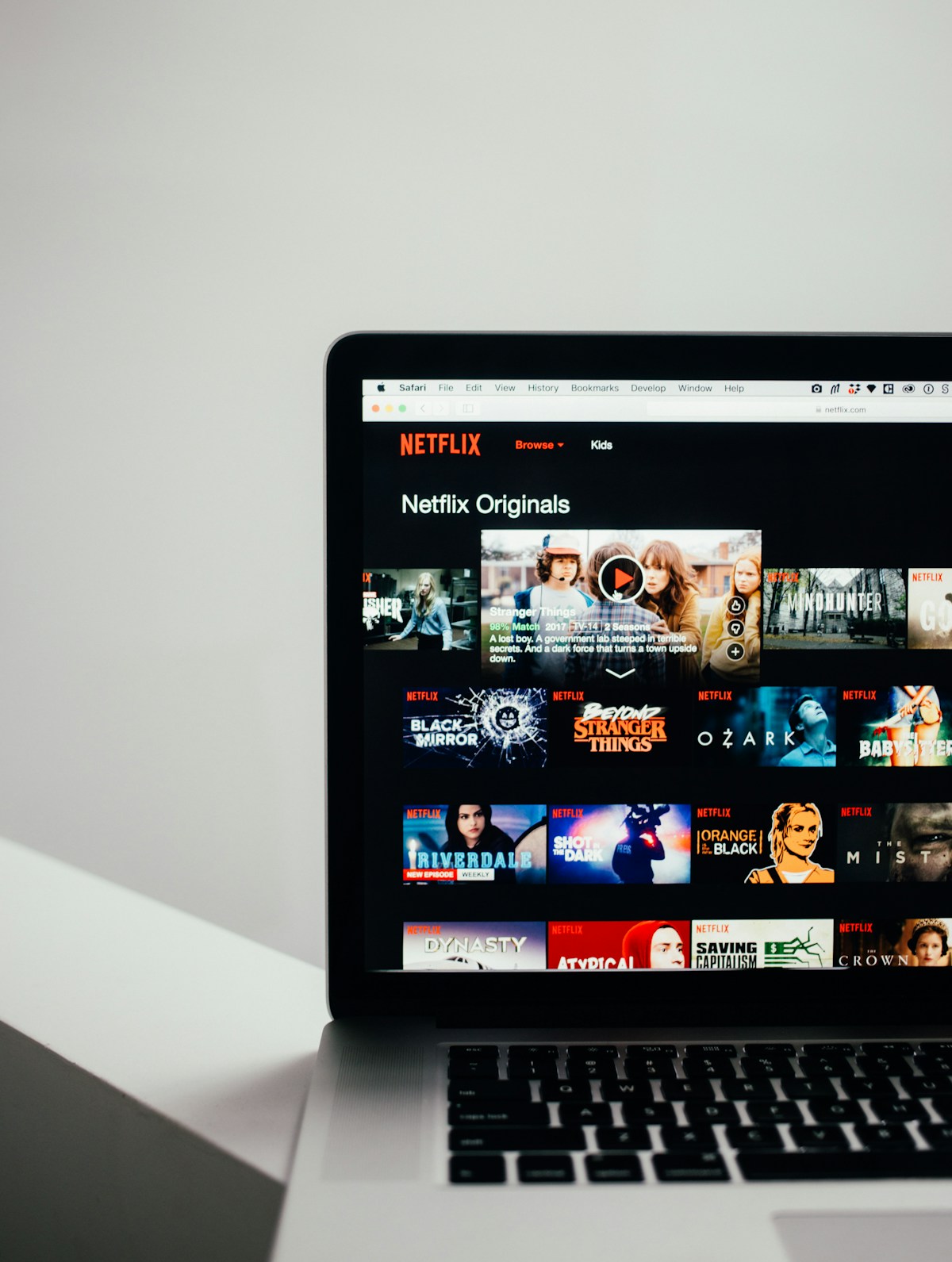
And they're right to be scared. Over the past few years, we've watched streamers pull fully-produced shows and films - sometimes mere weeks after release - sending them into a digital void from which they may never return. HBO Max (sorry, "Max") famously deleted Batgirl, a completed $90 million film, along with numerous animated series. Disney+ has quietly removed dozens of original series. Paramount+ erased Star Trek: Prodigy mid-run.
The irony is almost too perfect: streaming was supposed to be the future of content preservation. The promised land where everything would be available forever, where the "long tail" would thrive. Instead, it's become more ephemeral than network television ever was. At least with broadcast TV, someone taped it.
Hacks is particularly vulnerable because, despite critical acclaim and multiple Emmy wins, it exists at the mercy of corporate overlords who view content as a tax liability rather than art worth preserving. The show's parent company situation has been in flux - it's currently on Max, but who knows what that means in six months when the next merger happens.
The DVD plan is both sensible and deeply depressing. Physical media - once dismissed as obsolete - is now the radical act of preservation. It's the difference between Jean Smart's extraordinary performance existing in perpetuity versus disappearing because some executive in Burbank needed a quarterly earnings bump.
Of course, the broader issue here isn't just about one show. It's about the entire streaming model revealing itself to be fundamentally hostile to the concept of a cultural archive. When corporations can delete art with a keystroke and a tax filing, we're not building a library - we're renting temporary access to a collection that could evaporate at any moment.
In Hollywood, nobody knows anything - except that if you want your work to survive, apparently you need to burn it onto a disc like it's 2006. Progress!