As regional tensions intensify across the Gulf, small states are activating comprehensive crisis management systems—revealing both their vulnerability to regional conflict and their sophisticated preparedness infrastructure built from years of diplomatic isolation and security challenges.
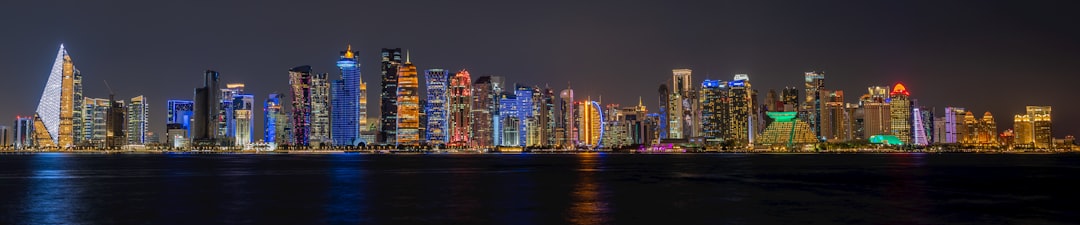
Qatar entered its 24th consecutive day of emergency protocols this week, maintaining active crisis management systems that include dedicated emergency hotlines, coordinated government communications channels, and strict information controls designed to prevent panic. The r/qatar moderator team posted comprehensive emergency guidance including warnings against sharing sensitive locations, speculation about security incidents, or media depicting military activity.
"During sensitive situations, do not post or share unverified information, rumors, or speculation about security incidents," the official guidance states. "Do not ask for, hint at, or share locations related to missile interceptions, attacks, military activity, emergency responses, or sensitive infrastructure."
The emergency framework reflects Qatar's unique positioning among Gulf states. Having endured the 2017-2021 blockade by Saudi Arabia, the UAE, Bahrain, and Egypt, Doha developed crisis management infrastructure that now serves as a template for navigating regional instability. The experience taught Qatar to maintain independent communication channels, diversified supply lines, and comprehensive emergency response protocols.
In Qatar, as among small but wealthy states, strategic positioning and soft power create influence beyond military might. Qatar's massive natural gas wealth funds diplomatic initiatives, Al Jazeera's regional media influence, and relationships across ideological divides—from hosting US military bases to maintaining dialogue channels with groups like the Taliban and Hamas.
Meanwhile, neighboring Kuwait experienced its own crisis escalation. After 48 hours of relative calm, air raid sirens sounded at 2:20 AM local time, followed by additional alarms at 2:23 AM and reports of loud explosions at 2:27 AM. The sirens marked a resumption of alert cycles that had briefly paused, signaling continued vulnerability despite Kuwait's neutral diplomatic stance.
"I hope everyone's safe," posted one Kuwait resident on social media following the sirens, capturing the anxious atmosphere among Gulf populations caught between their governments' diplomatic calculations and the immediate security threats of regional escalation.
The contrasting crisis responses reveal different vulnerability profiles. Qatar, having invested heavily in Al Udeid Air Base hosting US Central Command, benefits from implicit security guarantees while maintaining mediation relationships with Iran and regional actors. Kuwait, despite its longstanding neutrality and balanced diplomacy, faces geographic exposure to missile trajectories and cross-border threats.
For residents and expatriates across the Gulf, the crisis has disrupted normal life in ways both dramatic and mundane. Questions about cross-border travel, school closures, salary payments during emergency shutdowns, and even cinema discounts reflect how regional geopolitics cascade into daily existence. One Kuwait-based individual desperately sought travel routes to Qatar for family reasons, asking about land transport options as airspace restrictions complicated movement.
Qatar's emergency communications infrastructure includes multiple official channels: the Ministry of Interior's social media presence, the Government Communications Office's WhatsApp channel, Qatar News Agency, and both Al Jazeera Arabic and Al Jazeera English. The multi-platform approach ensures information reaches diverse populations including Qatar's majority expatriate workforce.
The crisis also highlights the delicate balance small Gulf states maintain between sovereignty and dependence. While Qatar recently pushed back against claims by US officials that they spoke for Gulf states collectively, the reality remains that these small emirates rely on larger powers for ultimate security guarantees while carving out independent diplomatic space through mediation, energy leverage, and media influence.
Emergency services across Qatar remain on alert, with dedicated hotlines for police, fire, and ambulance (999), medical services (16060), and specialized services for the deaf (992). The comprehensive emergency framework extends to Hamad International Airport, utilities, and diplomatic services for Qatari citizens abroad.
As the regional crisis continues with no clear resolution timeline, the small Gulf states' crisis management systems face sustained stress tests. Their ability to maintain economic activity, resident confidence, and diplomatic flexibility while navigating security threats will shape their long-term viability as independent actors in an increasingly volatile region. For now, the sirens in Kuwait and the emergency protocols in Qatar serve as daily reminders that small state sovereignty in the Gulf exists at the intersection of wealth, diplomacy, and geographic vulnerability.