

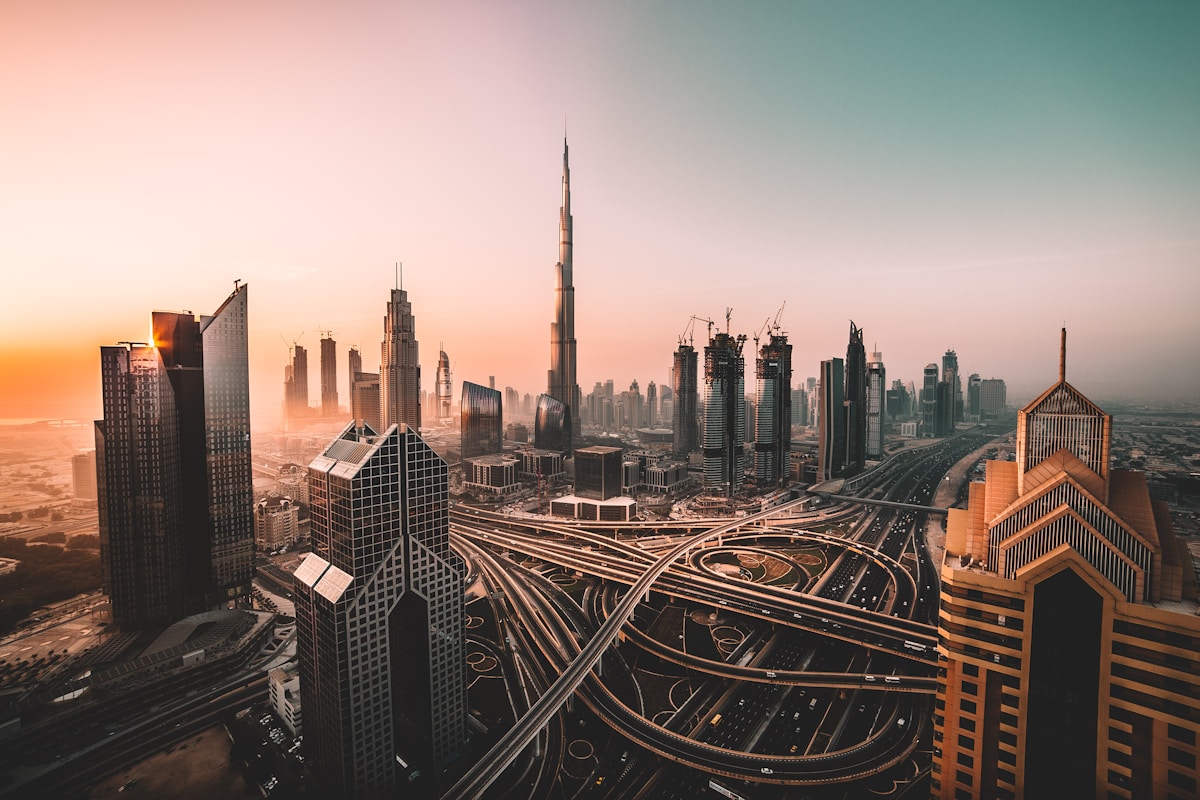
Here's a risk nobody's talking about: Saudi Arabia, the UAE, Kuwait, and Qatar may start liquidating their massive overseas investment portfolios to cover budget shortfalls caused by the Iran war.
And when sovereign wealth funds start dumping assets, markets move fast.
What's Happening
According to the Financial Times, a Gulf official confirmed that three of the four big Gulf economies, Saudi Arabia, the UAE, Kuwait, and Qatar, have been discussing the strains being put on their budgets and economies by the ongoing war.
The official declined to name which specific countries are involved, but the implications are clear: when oil exports get disrupted and government revenues tank, something has to give.
That "something" could be overseas investments, sports sponsorships, contracts with businesses and investors, or even outright sales of holdings.
Why This Matters
Gulf sovereign wealth funds collectively manage trillions of dollars in assets. They own stakes in everything from Silicon Valley tech companies to London real estate to professional sports teams.
When they're buying, markets love it. Gulf funds have been major sources of capital for startups, private equity, and public markets for years.
But when they start selling, that's a different story. Large, coordinated asset sales can create liquidity crunches. Prices fall. Other investors panic. It cascades.
What Gets Sold First?
If Gulf states do start liquidating assets, what's most at risk?
Real estate: Gulf sovereign wealth funds own trophy properties around the world. Think high-end office buildings in New York, London, and Paris. These are relatively easy to sell (or borrow against), and there's always demand from other institutional buyers.
Public equities: Gulf funds have significant stakes in publicly traded companies, especially in Europe and the U.S.. If they start dumping shares, that could hit specific sectors hard, particularly energy, finance, and technology.
Sports teams: Gulf states have been buying up soccer clubs, golf tours, and Formula 1 teams. These are vanity assets, and they're the first to go when budgets get tight. Don't be surprised if some high-profile teams get quietly put on the market.
Private equity and venture capital: Gulf funds have been major LPs (limited partners) in private equity and VC funds. If they stop committing new capital or start pulling back, that dries up liquidity for startups and buyouts.
Why Oil Disruptions Hit Gulf Budgets So Hard
Here's the thing: Gulf states have spent the past decade diversifying their economies away from oil. Saudi Arabia has its Vision 2030 plan. The UAE has built itself into a global finance and tourism hub. Qatar positioned itself as a natural gas powerhouse.
But at the end of the day, government revenues still depend heavily on oil and gas exports. When those exports get disrupted, whether by war, sanctions, or production cuts, the budgets don't balance.
And unlike the U.S. or Europe, Gulf states can't just print money or run massive deficits indefinitely. They have to adjust spending or liquidate assets.
The Market Impact
If Gulf funds start selling, the impact won't be evenly distributed. Some markets will get hit harder than others.
London real estate could take a beating. Gulf investors have been major buyers of prime UK property for years. If they start selling, that adds supply to a market that's already soft.
European banks and energy companies could see selling pressure. Gulf funds have been significant shareholders in companies like BP, Shell, and major European banks.
Tech startups could face a funding crunch. If Gulf funds pull back from venture capital, that's less capital available for growth-stage companies, especially in an environment where other funding sources are already tight.
What Should Investors Watch?
Keep an eye on asset sales announcements. If you start seeing Gulf funds offloading major stakes or properties, that's a sign the pressure is real.
Watch real estate prices in major global cities. If high-end commercial or residential real estate starts dropping in London, New York, or Paris, Gulf selling could be a factor.
Monitor venture capital deal flow. If startup funding suddenly dries up in certain sectors, it could be because Gulf LPs are pulling back.
Pay attention to currency markets. If Gulf states are liquidating foreign assets, they'll be converting those proceeds back into local currencies or U.S. dollars. That can create currency volatility.
Is This a Buying Opportunity?
Maybe. If Gulf funds do start dumping assets, that could create opportunities for other buyers to pick up quality investments at discounted prices.
But timing matters. If this turns into forced selling, prices could keep falling before they bottom. Don't try to catch a falling knife.
The smart move is to wait. Let the dust settle. If you see high-quality assets getting sold at fire-sale prices, then you step in.
The Bottom Line
Gulf sovereign wealth funds liquidating assets is a low-probability, high-impact risk. It's not guaranteed to happen, but if it does, it could move markets significantly.
This is the kind of forward-looking risk that most investors aren't paying attention to. Everyone's focused on the Fed, inflation, and jobs data. Nobody's asking what happens if trillions of dollars in sovereign wealth fund capital suddenly shifts from buying to selling.
If you're a real estate investor, a venture-backed startup, or holding stocks with significant Gulf ownership, this is something to keep on your radar.
Stay sharp. This story is just starting to develop.

