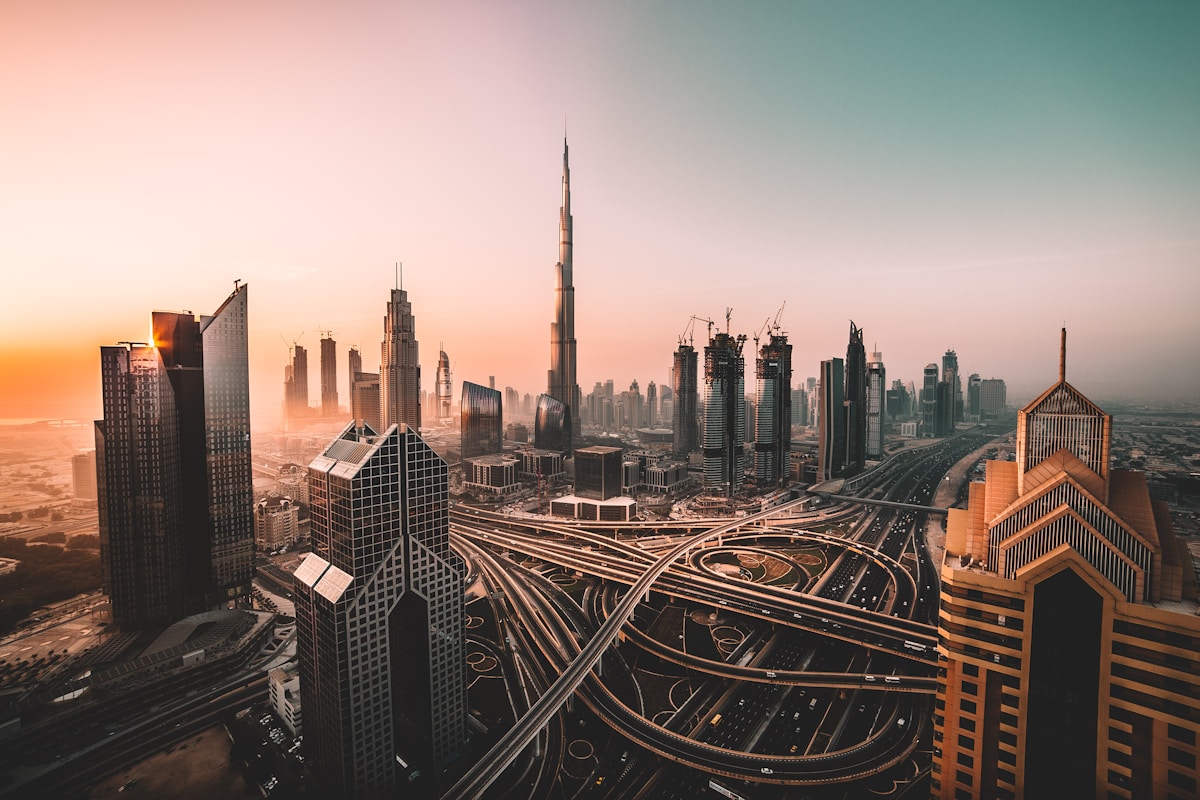
The United Arab Emirates' carefully cultivated image as a stable regional business hub confronted an unusual stress test as Eid al-Fitr celebrations coincided with missile interceptions and heightened security concerns—forcing residents to navigate the uncomfortable juxtaposition of holiday normalcy and conflict realities.
Social media posts from Dubai and Abu Dhabi captured the surreal atmosphere, with users alternating between requests for Aquaventure tickets and inquiries about explosion sounds. The contrast illustrated the tension at the heart of the Emirates' development model: maintaining business-as-usual operations even when regional instability intrudes on daily life.
In the Emirates, as across the Gulf, ambitious visions drive rapid transformation—turning desert into global business hubs. But the past 24 hours have tested whether the foundational promise of that model—stability equals prosperity—can withstand the pressures of being positioned within a conflict zone, even as defensive systems successfully intercept incoming threats.
"What's remarkable is how quickly people shift between security concerns and vacation planning," observed a long-time expatriate resident in Dubai Marina. "That adaptability is either resilience or denial, depending on your perspective."
For the UAE's tourism and hospitality sectors—cornerstones of economic diversification strategies designed to reduce dependence on hydrocarbon revenues—the security situation poses complex challenges. Hotels and attractions remained open during Eid celebrations, maintaining the outward appearance of normalcy that underpins the Emirates' value proposition to international visitors and businesses.
Yet beneath that surface calm, the incident raises questions about how sustained security pressures might affect the calculations of multinational corporations, wealthy expatriates, and tourists who have made the UAE a preferred destination precisely because it offered Gulf proximity without Gulf instability. The successful interceptions demonstrate capable defense systems, but the fact that such systems are needed represents a shift from the Emirates' historical positioning as insulated from regional conflicts.