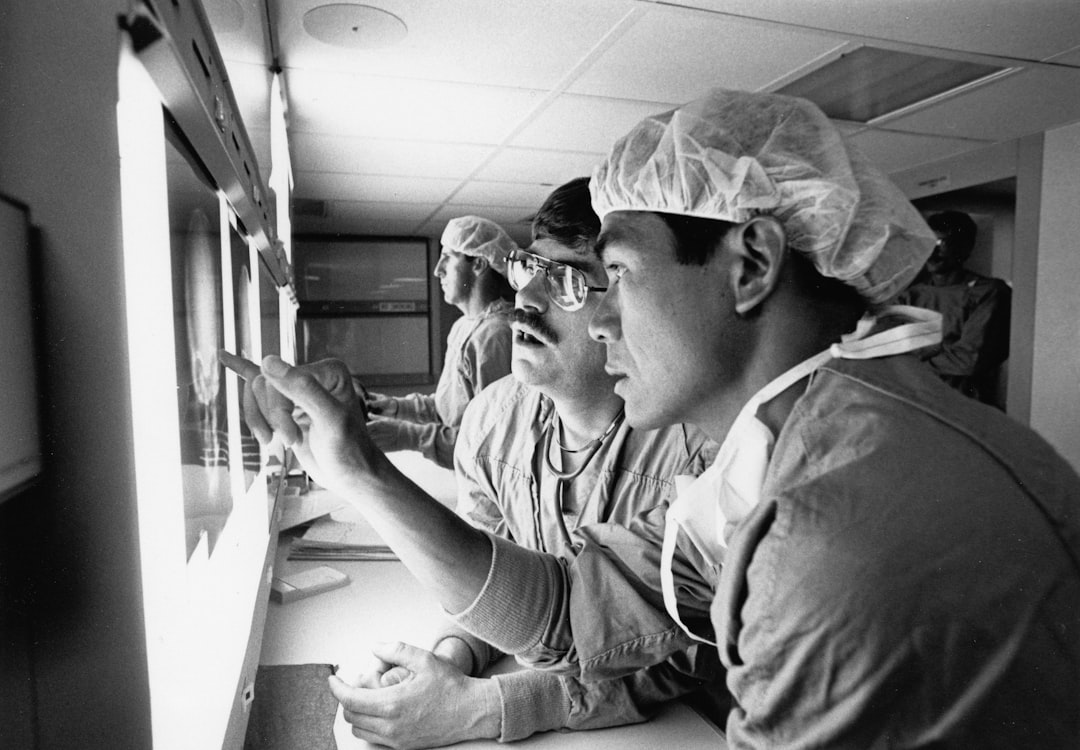
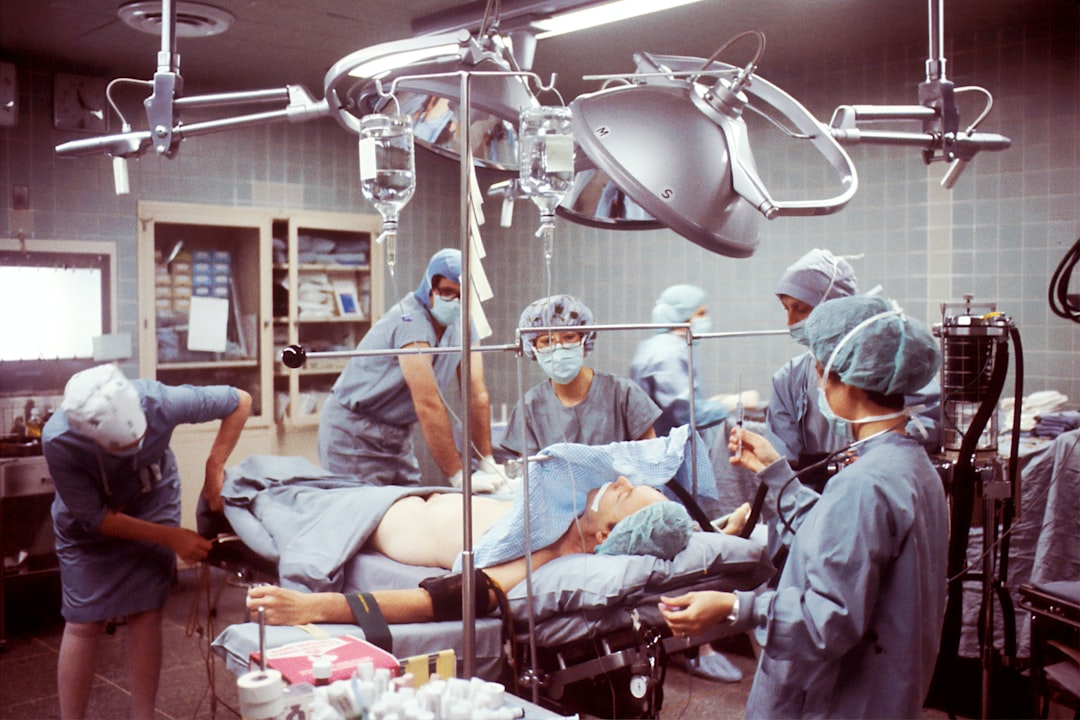
Grey's Anatomy has been renewed for Season 23 on ABC. The show will turn 21 years old during its next season. That's old enough to drink in every state.
Let me be clear: this isn't about the quality of Grey's Anatomy itself. The show has had remarkable creative longevity, and Ellen Pompeo's ability to keep Meredith Grey compelling for two decades is genuinely impressive. The ensemble has evolved intelligently, new characters have earned their place, and the show still pulls respectable ratings by 2026 standards.
No, the fascinating thing about this renewal is what it says about ABC and network television in general. Grey's Anatomy isn't just a successful show anymore—it's a survivor. And ABC is clinging to it like a life raft.
Network television in 2026 is in managed decline. The audience is aging, younger viewers are streaming-native, and even live sports—the last reliable draw—are migrating to digital platforms. According to Variety, broadcast networks are producing fewer scripted originals than at any point since the early 2000s.
In that environment, Grey's Anatomy is irreplaceable. It's one of the last shows that still generates actual water-cooler conversation among the demographic that still watches network TV. It's lucrative in syndication and international markets. And it's a known quantity in an era where launching new hits is prohibitively difficult and expensive.
So ABC keeps renewing it, because what's the alternative? Develop a new medical drama that might catch on? In this market? Good luck. The network TV development model—make pilots, test them, hope one breaks through—doesn't work when you're competing with Netflix dropping entire seasons at once and HBO spending $200 million per season on prestige drama.
The irony is that itself is now older than many of the viewers is trying to attract. The show premiered in 2005, which means Season 1 is closer in time to the than it is to today. Think about that.