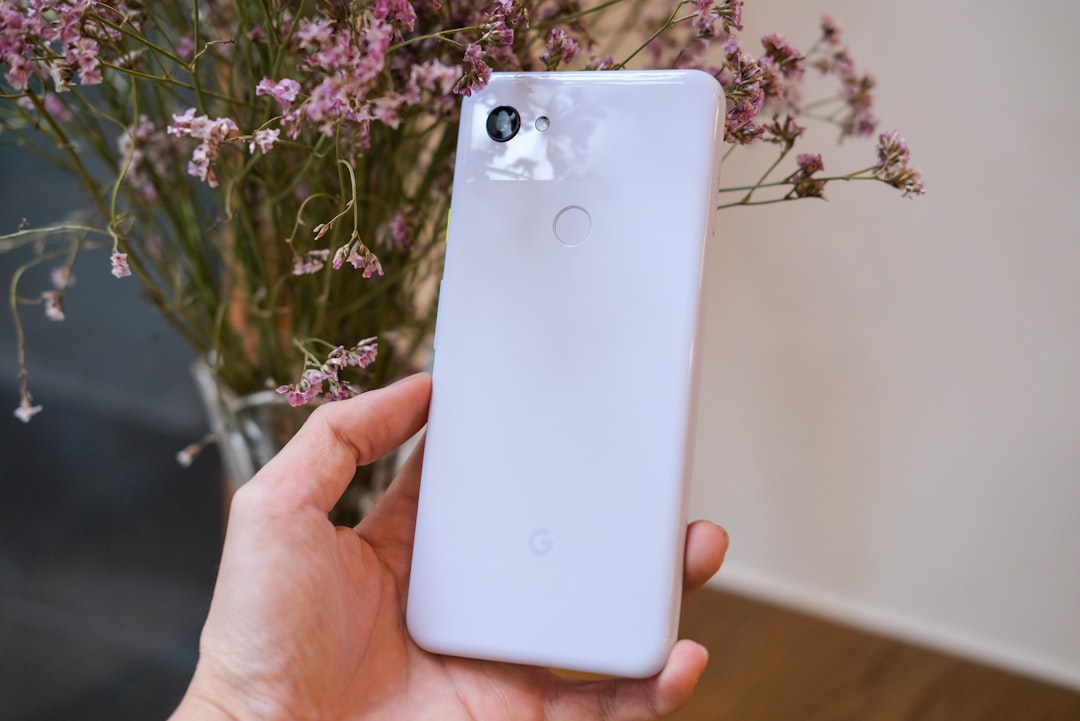
Reviews of Google's new Pixel 10a describe it as essentially a "recycled Pixel 9a" with minimal meaningful improvements, raising questions about smartphone innovation hitting a wall. Gizmodo calls it "one lazy refresh."
We're at peak smartphone plateau. When even Google - which has been doing genuinely interesting things with AI features - ships a phone that's barely different from last year's model, it's worth asking: is the annual upgrade cycle dead? And more importantly, should it be?
The Pixel 10a is Google's budget phone, so expectations should be calibrated accordingly. But "budget" doesn't have to mean "identical to last year." The specs are nearly unchanged: same processor (or a minimally updated version), similar camera system, incremental battery improvements, and a design that's visually indistinguishable from the 9a.
What has changed? Some AI features, most of which require cloud processing and could theoretically be backported to older devices through software updates. A slightly better display, maybe. Modest improvements to charging speed.
The technology is fine. The Pixel 9a was a good phone, so a recycled version is still competent. The question is whether anyone needs it.
From a business standpoint, I understand why this happens. Smartphone manufacturers are locked into annual release cycles driven by carrier contracts and consumer expectations. Missing a year looks like weakness. So even when there's nothing meaningful to announce, they announce something.
But the economics are getting harder to justify. Developing a new phone costs hundreds of millions in R&D, tooling, and marketing. If the result is a device that reviewers describe as "barely different," that's a massive expenditure for minimal differentiation.
The broader context: smartphone innovation has genuinely slowed. The jump from the first iPhone to the iPhone 4 was revolutionary. The jump from iPhone 14 to iPhone 15 required spec sheets to identify. We've reached a maturity curve where meaningful improvements are incremental, not transformative.
That's not necessarily bad. Mature technology is stable technology. Your phone doesn't need to be revolutionary every year. It needs to work reliably, get software updates, and not break after 18 months.
But it creates a problem for companies that have built business models around annual upgrades. If phones last longer and improvements are marginal, why upgrade? And if consumers stop upgrading annually, the entire ecosystem - from carriers to manufacturers to accessory makers - has to adapt.
Google's AI features are their main differentiation strategy. Magic Eraser, Call Screening, real-time translation - these are genuinely useful. But they're mostly software, which raises the obvious question: why do you need new hardware to run software that could work on older devices?
The answer, increasingly, is that you don't. And consumers are figuring that out.
Reviewers are right to call out lazy refreshes. When a company with Google's resources and AI expertise ships a phone that's barely different from last year's model, they're admitting they don't have compelling hardware innovations to offer.
What's the alternative? Longer release cycles. More focus on software updates for existing devices. Pricing that reflects the modest improvements. Or - radical idea - skipping a generation when there's nothing meaningful to announce.
But that would require rethinking the entire smartphone business model. So instead, we get the Pixel 10a: a perfectly fine phone that nobody asked for and few people need.
The technology is competent. The innovation is absent. And that might be the new normal for smartphones.