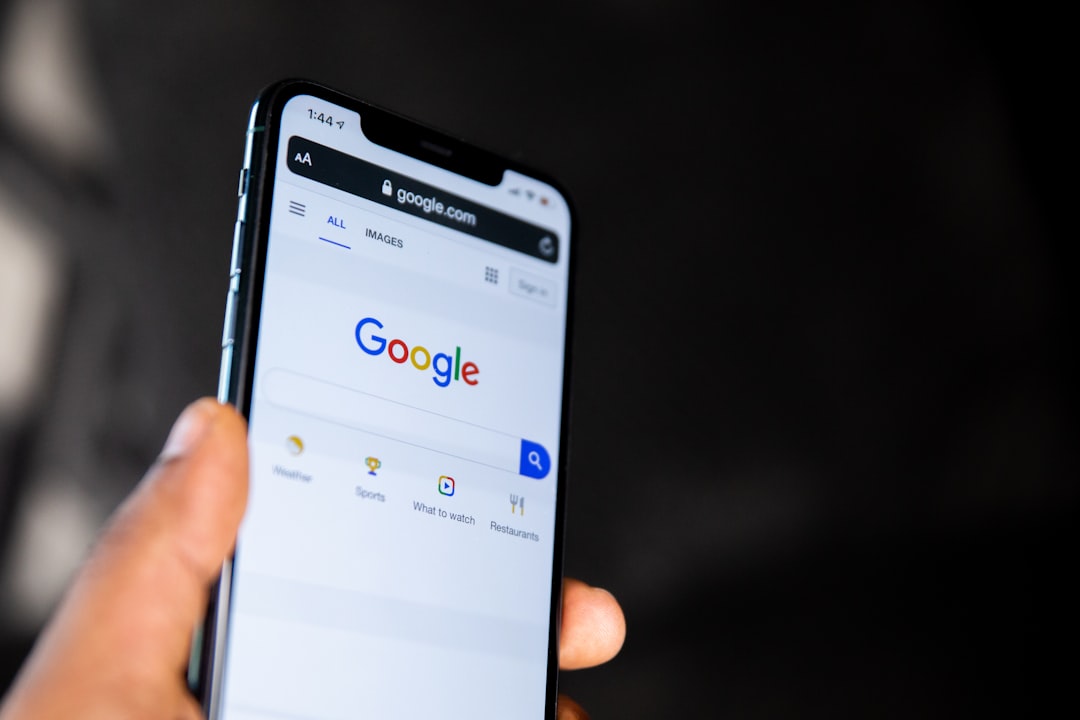
Google is appealing the 2024 antitrust ruling that found it violated competition law by paying to secure default search placement on iPhones. Their argument: Apple chose Google "fair and square" because Google Search is simply better.
That argument would be more convincing if Google wasn't paying Apple billions of dollars annually to maintain that "choice."
The district court's ruling cut through the spin: Google achieved dominance not solely through superior product quality, but through exclusive payment arrangements that prevented competitors from accessing distribution channels. When you're paying $20+ billion per year to be the default, it's hard to argue consumers are choosing you organically.
Google's appeal brief contends the company "surpassed competition through better innovation, more investments, and just working harder." That's partially true. Google Search is technically superior to most alternatives. But the ruling never disputed Google's engineering quality. It disputed the business practices used to entrench that advantage.
Here's where the case gets interesting: The appeals court allowed the payments to continue. Google can still pay Apple for placement. What it can't do is enter exclusive distribution contracts that block competitors from similar arrangements.
That distinction matters. The court isn't saying Google can't compete through distribution deals. It's saying Google can't use exclusive contracts to prevent anyone else from competing the same way.
Google must also implement data-sharing remedies with competitors unless the appeal succeeds. That includes sharing search data and allowing result syndication - obligations Google argues would harm user privacy and system security.
The privacy argument is ironic coming from a company whose entire business model involves collecting user data at scale. But it's not entirely without merit. Forcing Google to share search query data with competitors does create new risk surfaces. The question is whether those risks are justified to restore market competition.
The real stakes here aren't about search quality. They're about whether dominant platforms can use exclusive contracts to maintain market position indefinitely, even when superior alternatives exist.
Because here's the problem with Google's "we're just better" defense: If Google Search really is unbeatable on merit, why pay $20 billion per year to avoid competition?
The appeals process may conclude in late 2026 or early 2027. Until then, Google remains the default on Safari. And most iPhone users will never change it - not because Google is best, but because changing defaults requires conscious action most people never take.
Which is exactly why that default placement is worth $20 billion.