
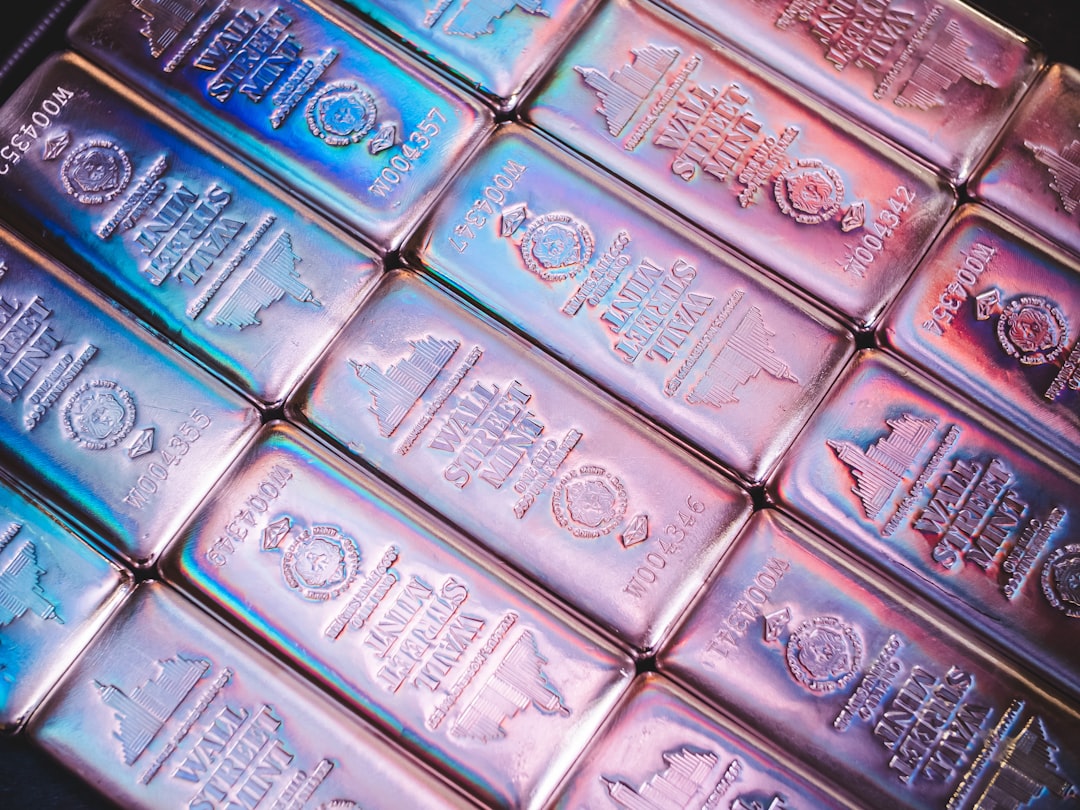
Gold is down to $4,600 and silver is under $70, which is frankly bizarre given the current environment. We've got war in the Middle East, energy infrastructure getting bombed, inflation ticking up, and yet the traditional safe haven assets are selling off. If you're confused, you're not alone.
Here's what's actually going on, and why it matters more than you think.
The short answer: Dollar strength and liquidity are trumping inflation fears. Let me explain what that means for your money.
Gold typically rallies when investors get nervous about inflation or geopolitical instability. It's been that way for decades - when things look uncertain, people buy gold. But that playbook assumes investors have a choice in where to park their money. Right now, they don't. They need dollars, and they need them urgently.
When energy prices spike and global supply chains get disrupted, companies and countries need U.S. dollars to buy oil, settle debts, and maintain operations. That creates enormous demand for dollars, which pushes the dollar index higher. And when the dollar strengthens, gold - which is priced in dollars - tends to fall. It's not that gold is losing value; it's that dollars are becoming more valuable relative to everything else.
Think of it this way: If you're a European manufacturer and natural gas prices just doubled, you need dollars right now to secure LNG supplies. You're not thinking about inflation hedges or safe havens - you're thinking about keeping the lights on. That means selling whatever assets you can to raise cash, including gold. Multiply that by thousands of companies and institutions globally, and you get a liquidity crunch that hits gold prices even while the fundamental case for owning gold is getting stronger.
The second factor is what commodities analysts call "margin calls and forced liquidation." When markets get volatile, leveraged funds face margin calls on losing positions. To meet those calls, they have to sell their winning positions - which, until recently, included gold. So gold gets sold not because investors think it's overvalued, but because they need to raise cash to cover losses elsewhere.
This is exactly what happened in March 2020 when COVID hit. Gold initially dropped even as the world shut down, because everyone needed dollars and liquidated everything to get them. It wasn't until the Fed flooded the system with liquidity that gold reversed course and rallied to new highs.