
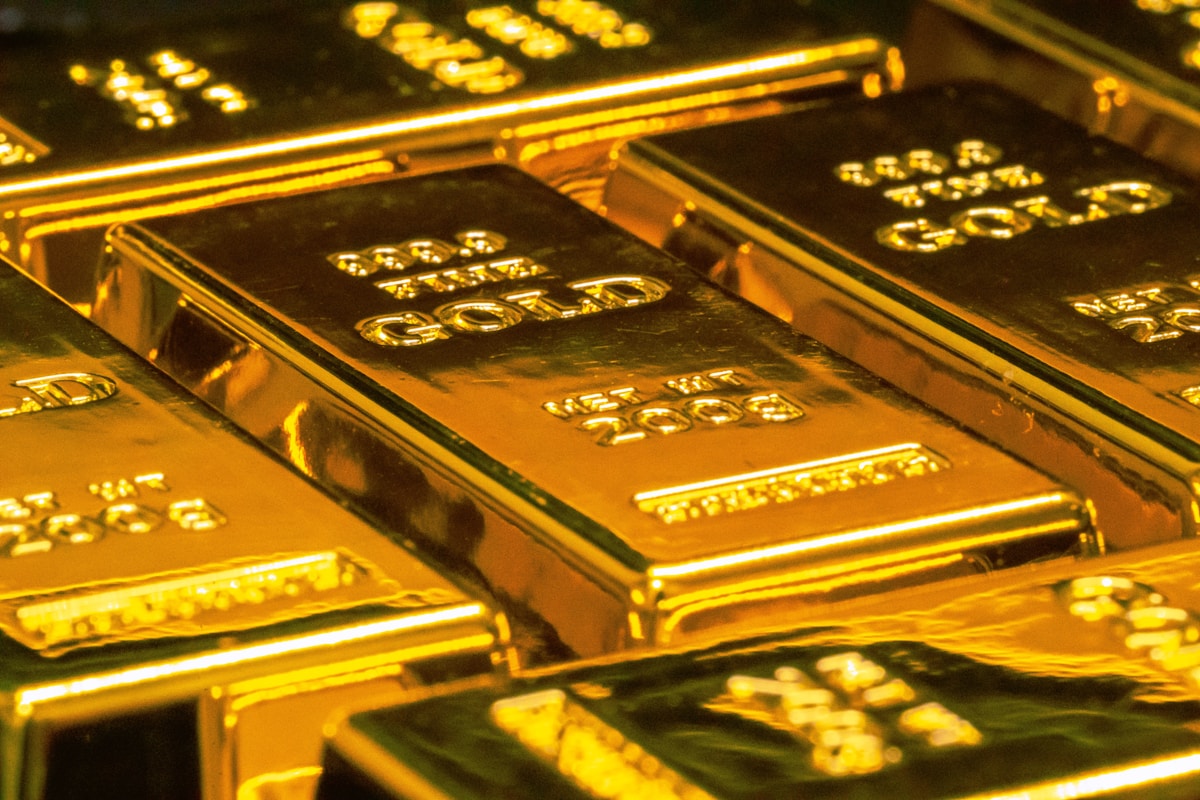
Gold just crossed $5,000 per ounce for the first time in history, and the question everyone's asking is whether this is a peak or if there's more room to run. I dug through five decades of cycles, central bank buying data, and real interest rate trends to try to answer that honestly.
First, let's kill a myth: gold is not a hedge against stock market crashes. What it actually hedges is currency debasement. When real interest rates go negative and trust in the dollar breaks down, that's when gold moves. And right now, both of those conditions are flashing red.
Here's what's driving this cycle. For 40 years, central banks were net sellers of gold. That completely flipped after the U.S. froze $300 billion of Russian reserves in 2022. That decision sent a shockwave through global central banking: if your reserves can be weaponized, you need an alternative.
The result? Three consecutive years of 1,000+ tonnes of central bank gold buying. The dollar's share of global reserves has dropped from 58% to 47%. Gold's share has risen to 23%. That's not a blip—that's a structural shift in how the world stores wealth.
Mine supply has been flat for nearly a decade, and only 38% of known reserves remain underground. You can't just drill more gold the way you can pump more oil. Supply is genuinely constrained, and demand from central banks shows no signs of slowing.
So is $5,000 the top? Here's the bear case: gold has already tripled since 2022, so a lot of good news is priced in. A 20-30% correction from here wouldn't be surprising at all. History shows that even in bull markets, gold consolidates violently. If the Fed manages to push real rates back above 2%, gold could stall just like it did from 2012 to 2019.
But here's the bull case, and it's hard to ignore: with $36 trillion in U.S. debt, the government structurally cannot afford the cure for inflation. High real rates would crush debt servicing costs and tank the economy. That's the real reason to stay constructive on gold over a multi-year horizon—not geopolitics, not oil prices, but fiscal reality.
The one thing worth watching: . That's the single most important variable for gold. Real rates are calculated as the nominal interest rate minus inflation. Right now, with the Fed holding rates around 4.75% and inflation still sticky above 3%, real rates are positive but barely. If inflation reaccelerates due to oil shocks or fiscal spending, real rates go negative again, and gold rallies hard.