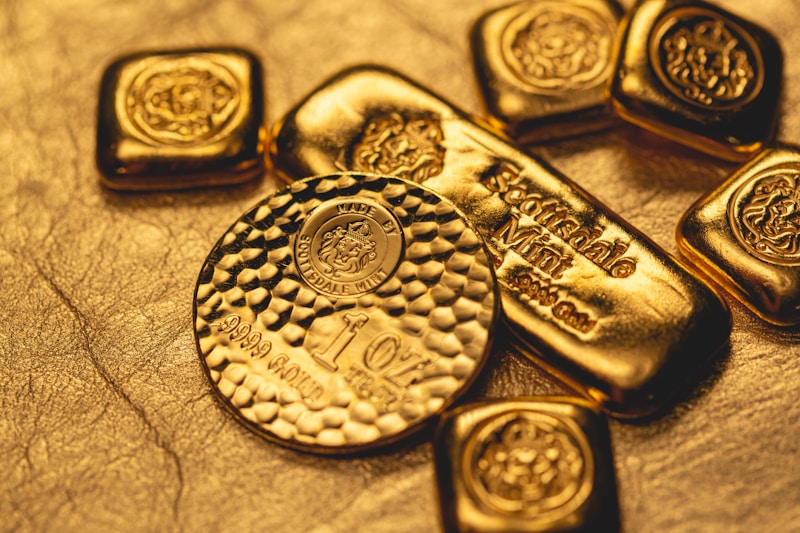
Gold hit $4,675 per ounce this week while silver surged past $94, and if you're wondering whether you missed the boat, the short answer is: maybe, but the winds are still blowing.
Let me be clear about what's driving this rally. It's not some mystical "safe haven" magic. It's a cocktail of geopolitical chaos, trade war threats, central bank buying sprees, and a weakening dollar. When Europe and the United States are trading tariff threats over Greenland, and nobody knows what Fed leadership will look like in six months, investors do what they've done for 5,000 years: they buy shiny metal.
Silver is the real headliner here, up roughly 25% year-to-date and around 200% over the past year. That's not a typo. Unlike gold, which mostly sits in vaults looking expensive, silver has actual industrial uses: electrification infrastructure, AI data centers, solar panels. China and other countries are hoarding it as a critical mineral. Supply deficits are real, and export restrictions are tightening the screws.
Gold's move is more straightforward. Central banks, especially China, have been steady buyers as they diversify away from dollar reserves. Mix in persistent inflation, rising global debt, and a Fed that might pivot to rate cuts under new leadership, and you get a classic flight-to-quality trade.
Some Wall Street analysts are floating $5,000 gold and $100 silver targets for 2026. I'm not here to tell you that's impossible, but I am here to remind you that after a near-parabolic move, pullbacks happen. Profit-taking is a thing. Momentum doesn't last forever.
So is it too late? That depends on what you're hedging against. If you think the macro and geopolitical situation gets worse before it gets better, having some exposure to precious metals isn't crazy. If you're chasing the move because you saw the charts go up and to the right, you're probably late.
Here's the reality: metals behave differently than equities or crypto. They don't generate cash flow. They don't pay dividends. They sit there and reflect fear. That can be useful in a diversified portfolio, but it's not a growth engine.