
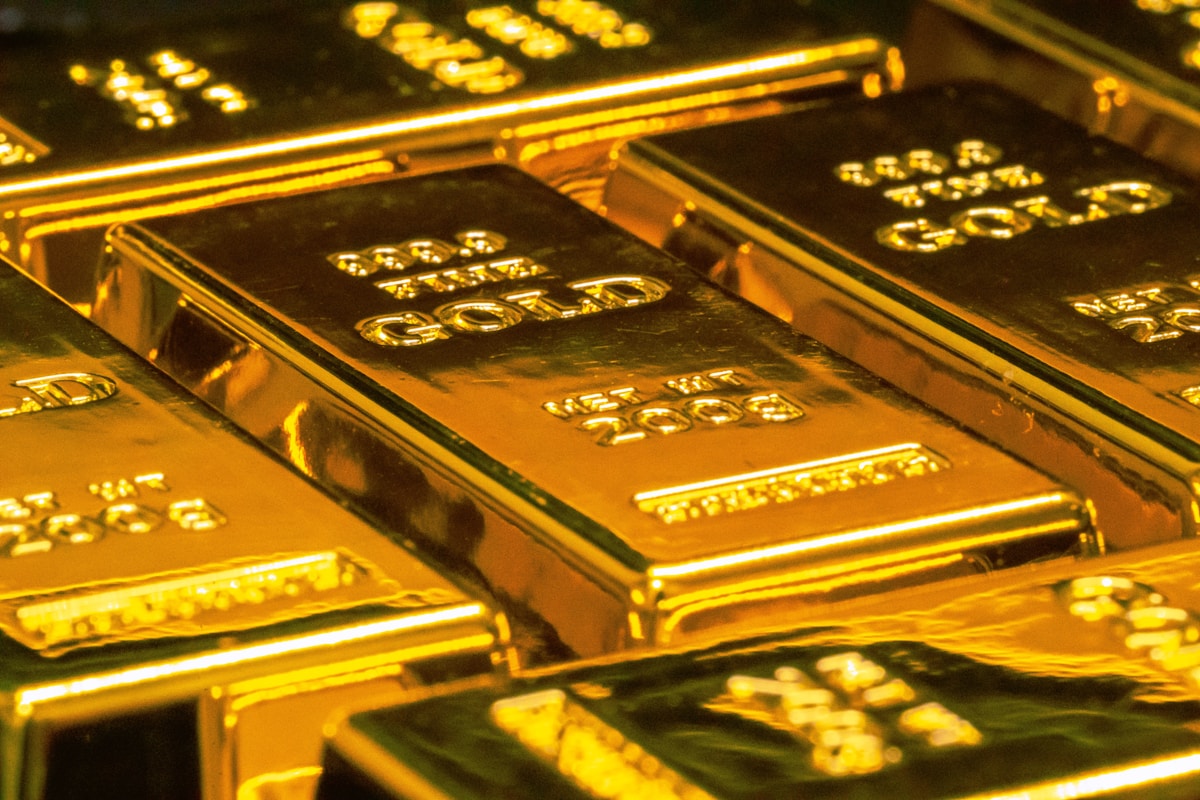
Gold is about to close its eighth consecutive green month—the longest winning streak in the metal's history. And at the exact same time, the S&P 500 just hit all-time highs.
If that doesn't strike you as weird, it should. Because historically, when gold rips, stocks don't. And when stocks rip, gold sits quietly in the corner. Seeing both pump at the same time is like watching someone buy fire insurance while their house is not on fire. It doesn't make sense—unless they know something you don't.
Here's what's going on. Gold is traditionally a safe-haven asset. People buy it when they're scared—recession fears, inflation spikes, geopolitical chaos, currency devaluation. It's the financial equivalent of a fallout shelter. Stocks, on the other hand, are risk assets. People buy them when they're optimistic about growth, corporate earnings, and the economy.
Seeing both rally together suggests two things are happening at once: retail investors are piling into equities because "stonks only go up," while institutions are quietly hedging in the background. That's not panic—it's insurance. And when the smart money starts buying insurance while the party's still going, you might want to ask why.
Let's be clear: this doesn't mean the market is about to crash tomorrow. Divergences like this can persist for months. But it does mean that large investors—pension funds, hedge funds, sovereign wealth funds—are positioning for something. Maybe it's inflation fears. Maybe it's currency instability. Maybe it's geopolitical risk that hasn't fully priced in yet. Or maybe they just don't trust that the current rally has legs.
What's driving the gold rally? A few things. Central banks—particularly in China, India, and emerging markets—have been buying gold in record amounts. They're diversifying away from the dollar, hedging against potential trade wars, and preparing for a more fragmented global economy. That's structural demand, not speculative froth.
At the same time, real interest rates (nominal rates minus inflation) have been hovering near levels that make gold attractive. If you can get 5% in a savings account but inflation is running at 3%, your real return is only 2%. Gold doesn't pay interest, but it also doesn't lose purchasing power to inflation—at least not over the long term. For institutional investors, that trade-off is starting to look pretty good.