Welcome to tariff policy by Truth Social. President Trump announced Saturday that global tariffs would jump to 15% "effective immediately." When the policy actually took effect Tuesday at 12:01 a.m., the rate was 10%. No one—not CFOs, not supply chain managers, not foreign governments—can figure out what's happening.
Here's the timeline of chaos: On Friday, after the Supreme Court struck down most of Trump's tariff agenda, the White House announced a 10% flat tariff using Section 122 trade law. Saturday, Trump posted that he'd raise it to 15%. Tuesday, it went live at 10%. A White House official confirmed to NBC News the administration is "working on a separate order" to raise the rate—but provided no timeline.
For businesses trying to make procurement decisions, this is a nightmare. The confusion isn't just about the five percentage point difference—it's the signal that tariff policy can change at any moment based on a weekend social media post. Uncertainty is more expensive than the tariff itself. Companies can't hedge against presidential whims.
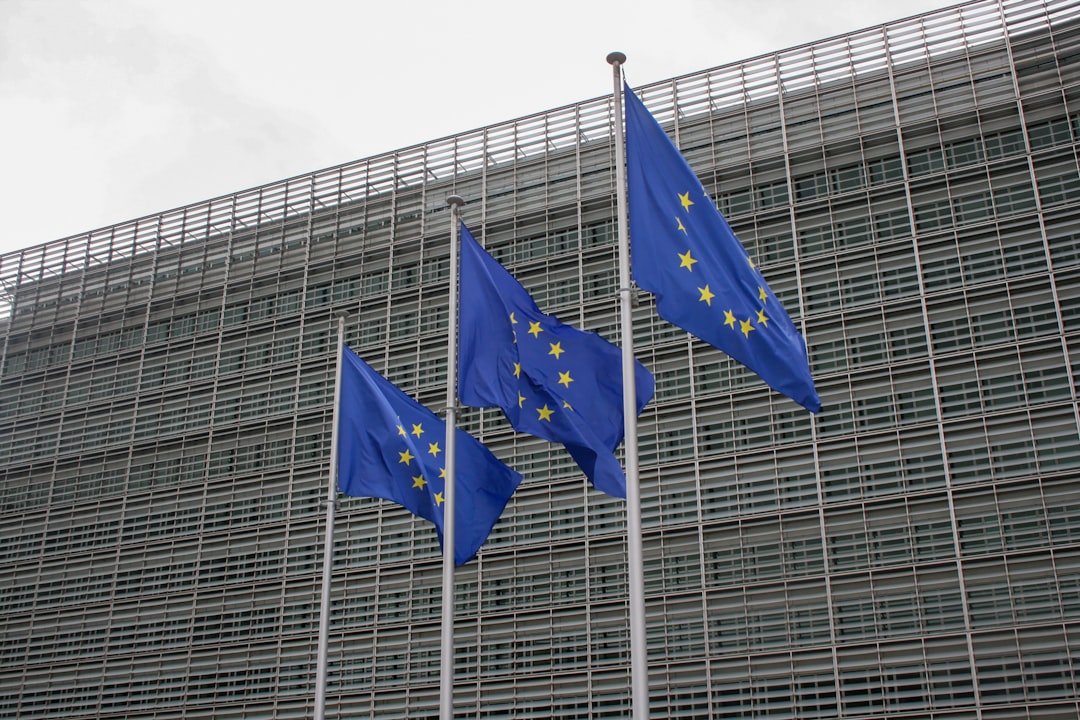
The market reacted predictably. European Union lawmakers called it "pure tariff chaos" and immediately froze a massive trade deal that was near ratification. India, China, Switzerland, and the United Kingdom are all reconsidering their positions. The Dow fell 1.66%, the S&P 500 dropped 1.04%, and European indexes followed suit.
Supply chain experts I've spoken with are furious—not at the tariff level, but at the whipsaw policy-making. You can't run a multinational corporation when trade policy changes between Saturday and Tuesday. Finance chiefs are now modeling scenarios where tariffs could be 10%, 15%, 20%, or zero depending on the president's mood.
This is governance by announcement, and it's poison for business planning. When the previous administration said 10%, it meant 10%. When this administration says 15%, it apparently means 10% today and maybe 15% next week. The number matters less than the credibility—and right now, the latter is in free fall.