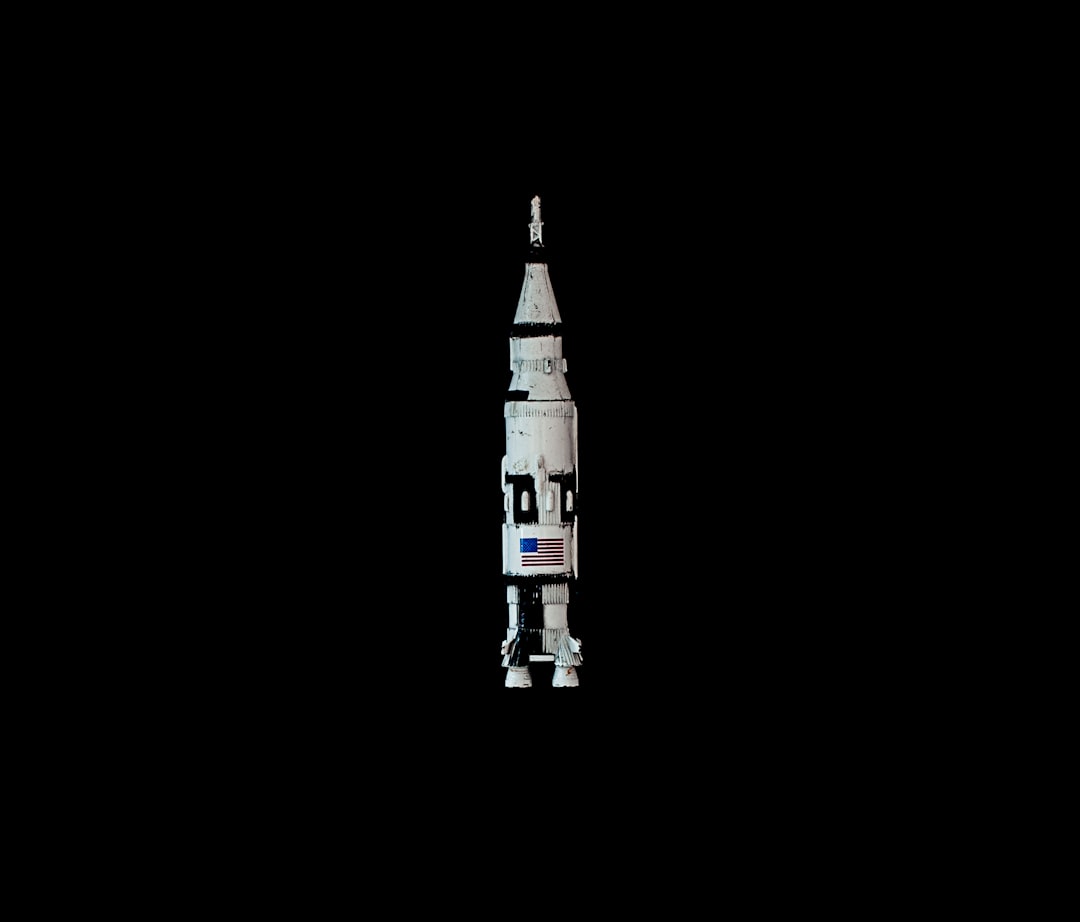
An embarrassingly simple software error destroyed a multi-million dollar moon mission within a day of launch. This is a cautionary tale about how the space industry is moving fast without necessarily moving carefully.
The mission cost $72 million. It died in less than 24 hours. The cause? A software glitch so basic that any competent code review should have caught it. But apparently, nobody caught it until the spacecraft was tumbling through space, unable to orient itself toward the sun.
Having shipped buggy code myself, I know exactly how this happens. You're under deadline pressure. You've tested the main paths. Someone makes a last-minute change. "It's just a small tweak, it'll be fine." Except when your code is running on a spacecraft, "it'll be fine" isn't good enough.
The space industry is in a weird transition. The old NASA approach was slow, methodical, and expensive - but they got to the moon. The new commercial space approach is fast, agile, and cheaper - but sometimes that means "move fast and break things" applies to actual spacecraft.
What went wrong technically? Without seeing the code, I can guess: probably a coordinate system error, or an orientation calculation that worked in simulation but failed in the real environment. These kinds of bugs are easy to introduce and hard to test, especially when you can't exactly do a full rehearsal in space.
But here's the thing: $72 million should buy you better quality assurance. It should buy you multiple code reviews, extensive simulation testing, and redundant systems. If a single glitch can kill the entire mission in 24 hours, your fault tolerance is garbage.
The commercialization of space is exciting. It's making access cheaper and innovation faster. But speed without rigor is just recklessness. You can iterate fast on a website. You can't iterate on a spacecraft - it's gone.
The technology is impressive - we're regularly sending stuff to the moon now, which would have been science fiction a decade ago. The question is whether we're building these systems with the discipline they require, or whether we're getting lucky until we don't. This mission just demonstrated the "until we don't" part.