
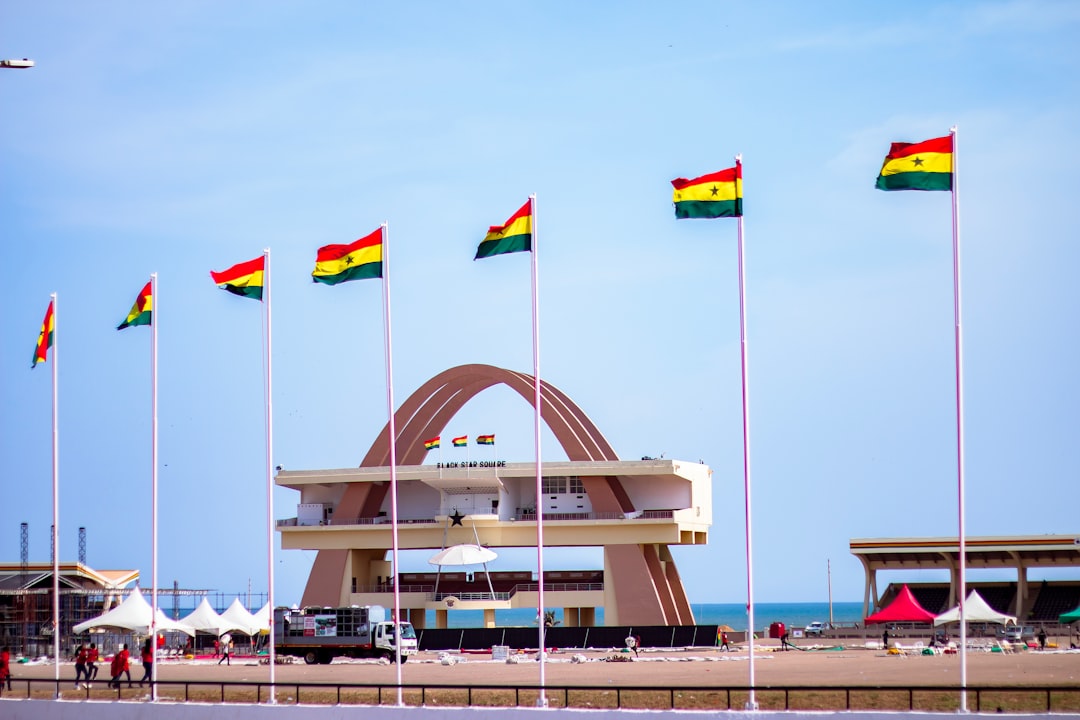
Ghana has suspended its citizenship application process for people of African descent, effectively halting a flagship pan-African initiative that promised descendants of enslaved Africans the right to return home.
The suspension, reported by the BBC, marks a dramatic reversal of the "Year of Return" campaign launched in 2019 to encourage African diaspora communities—particularly African Americans and Afro-Caribbeans—to visit, invest in, and become citizens of Ghana.
The Ghanaian government has not provided detailed public explanations for the suspension, leaving thousands of pending applicants in limbo and raising urgent questions about what drove the policy shift. Was it bureaucratic capacity constraints? Economic concerns about resource allocation? Or a political recalculation of the diaspora citizenship project?
The timing is particularly striking. The Year of Return, championed by former President Nana Akufo-Addo, was one of Ghana's most visible diplomatic initiatives, attracting celebrities, entrepreneurs, and ordinary descendants of the enslaved to reconnect with the continent. The initiative generated significant tourism revenue and positioned Ghana as a leader in diaspora engagement across Africa.
But citizenship-by-right-of-return is complex policy territory. Unlike tourism or investment schemes, citizenship involves questions of resource allocation, voting rights, land ownership, and national identity. Some Ghanaians have expressed concerns about diaspora communities arriving with financial advantages in a country where many citizens struggle economically. Others have questioned whether those who left generations ago should have the same rights as those who remained and built the nation.
Dr. Akosua Adomako Ampofo, a sociologist at the University of Ghana, has written extensively about the tensions inherent in diaspora return initiatives. "We celebrate the symbolic reconnection," she noted in a previous interview, "but we must also address the practical realities of integration, belonging, and equity."
The suspension also raises questions about Ghana's position within broader African diaspora politics. Senegal, Benin, and other West African nations have pursued similar initiatives with varying degrees of success. If Ghana—widely seen as the most organized and committed to diaspora citizenship—is pulling back, what does that signal about the viability of right-of-return programs across the continent?
For African Americans who sold homes, quit jobs, or made other life-altering decisions to relocate to Ghana based on promises of citizenship, the suspension represents more than bureaucratic inconvenience. It touches on deeper questions of belonging, home, and whether the pan-African dream of return can survive contact with the realities of 21st-century nation-states.
The Ghanaian government's silence on the reasons for suspension has fueled speculation rather than understanding. Without transparency about what went wrong—or what needs to change—the suspension risks damaging not just Ghana's relationship with its diaspora, but the broader credibility of African governments' commitments to diaspora engagement.
Maxine Walker, an African American who moved to Accra in 2020 and has been awaiting citizenship approval, told friends on social media: "We were told we belonged. We were told to come home. Now we're told to wait—with no explanation of for how long, or why."
The suspension is not a rejection, Ghanaian officials have stressed. Applications are paused, not cancelled. But in policy, as in relationships, a pause without explanation feels like abandonment.
54 countries, 2,000 languages, 1.4 billion people. The question of who belongs, and on what terms, is not unique to Ghana. But as the country that most boldly embraced diaspora return, its decision to suspend that process matters far beyond its borders. Other African nations are watching. So is the diaspora.