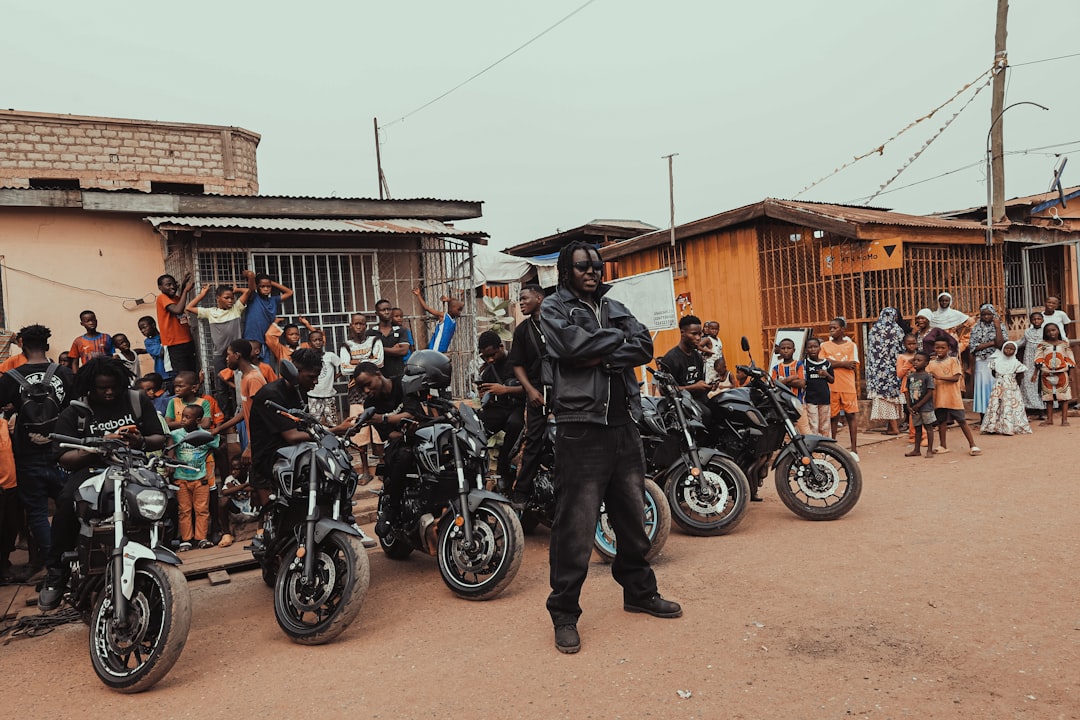
Ghana's Ministry of Foreign Affairs has confirmed that approximately 300 Ghanaian nationals are being repatriated from South Africa following a coordinated effort to assist citizens facing economic hardship and xenophobic threats in the southern African nation.
The repatriation, facilitated through Ghana's consulate in Johannesburg, marks the largest organized return of Ghanaian migrants from South Africa in recent years. It comes amid renewed tensions over migration, unemployment, and resource competition across the continent.
"We have a responsibility to support our citizens wherever they are," said Foreign Affairs Minister Shirley Ayorkor Botchwey in a statement. "Many of these individuals went to South Africa seeking better opportunities but found themselves in precarious situations."
But the repatriation raises uncomfortable questions that African governments have been reluctant to answer: Why are Africans fleeing to other African countries only to face hostility? And what happens to returnees when they arrive home to the same economic conditions that drove them away?
The South African Pressure Cooker
South Africa has long been a migration destination for people across the continent, drawn by its relatively developed economy, infrastructure, and job market. An estimated 3-4 million foreign nationals live in South Africa, including significant populations from Zimbabwe, Mozambique, Nigeria, Ethiopia, and Ghana.
But South Africa's unemployment rate stands at 33 percent, among the highest in the world. Competition for jobs, housing, and services has fueled xenophobic sentiment that periodically erupts into violence.
In recent months, foreign-owned shops in townships around Johannesburg and Cape Town have been looted and burned. Several African migrants have been killed in attacks. South African politicians—including members of the governing coalition—have used inflammatory rhetoric blaming foreigners for crime and unemployment.
"This is the contradiction at the heart of pan-Africanism," said Dr. Kwame Boateng, a migration scholar at the University of Cape Coast. "We talk about African unity, but our citizens attack each other over jobs and resources. The African Union preaches free movement, but individual countries weaponize migration when it's politically convenient."
Many of the Ghanaians returning from South Africa report harassment by police, exploitation by employers who refuse to pay wages, and fear of mob violence. Some entered South Africa legally but overstayed visas due to inability to afford return travel. Others crossed informally through Zimbabwe or Botswana.
The Economic Reality Waiting at Home
While Ghana's government has pledged support for returnees, there are few concrete details about reintegration programs. Ghana itself faces high youth unemployment, inflation above 20 percent, and limited formal sector jobs.
"These people left because there were no opportunities in Ghana," said Ama Frimpong, an economist at Accra-based think tank Imani Africa. "Unless something has changed dramatically in the past year, they're coming back to the same problem. Repatriation without economic strategy is just moving people around."
Ghana has struggled to create sufficient jobs for its growing population, particularly in rural areas. Many young Ghanaians migrate internally to Accra and Kumasi, where unemployment remains high, or attempt to reach Europe through irregular migration routes across the Sahara and Mediterranean.
Intra-African migration to South Africa, Botswana, or Nigeria offers an alternative that doesn't require crossing deserts or seas. But as this repatriation demonstrates, those destinations increasingly see migrants as competition rather than contributors.
A Continental Pattern
Ghana is not alone in repatriating citizens from South Africa. In recent years, Nigeria, Malawi, and Zimbabwe have organized similar returns following xenophobic violence or mass deportations.
The pattern reveals the limits of regional integration rhetoric. The African Continental Free Trade Area (AfCFTA) promises free movement of goods and eventually people across 54 countries. But freedom of movement remains restricted in practice, and xenophobia undermines solidarity.
"You can't build a common market when citizens fear for their lives in neighboring countries," said Dr. Fatima Kyari, a regional integration expert at the African Development Bank. "Free trade requires safe migration. Otherwise, you're just liberalizing capital flows while trapping people."
Some advocates have called for African governments to jointly pressure South Africa to address xenophobic violence and ensure migrant protections. But individual countries hesitate to confront Pretoria given South Africa's economic influence.
What Comes Next
Ghana's Foreign Ministry has not outlined specific support programs for the 300 returnees beyond initial reception and transport home. Civil society groups are calling for job training, small business grants, and mental health support for people who may have experienced trauma.
"These are Ghanaian citizens who took enormous risks to try to improve their lives," said Nana Osei, director of the Migrant Rights Network in Accra. "If we simply abandon them, they'll try again—maybe to South Africa, maybe to Libya, maybe drowning in the Mediterranean. The cycle continues until we create opportunities at home."
For now, the 300 are coming home. Whether they find what they need here remains an open question.
54 countries, 2,000 languages, 1.4 billion people. Free movement shouldn't mean the freedom to be attacked. And coming home shouldn't feel like defeat.