

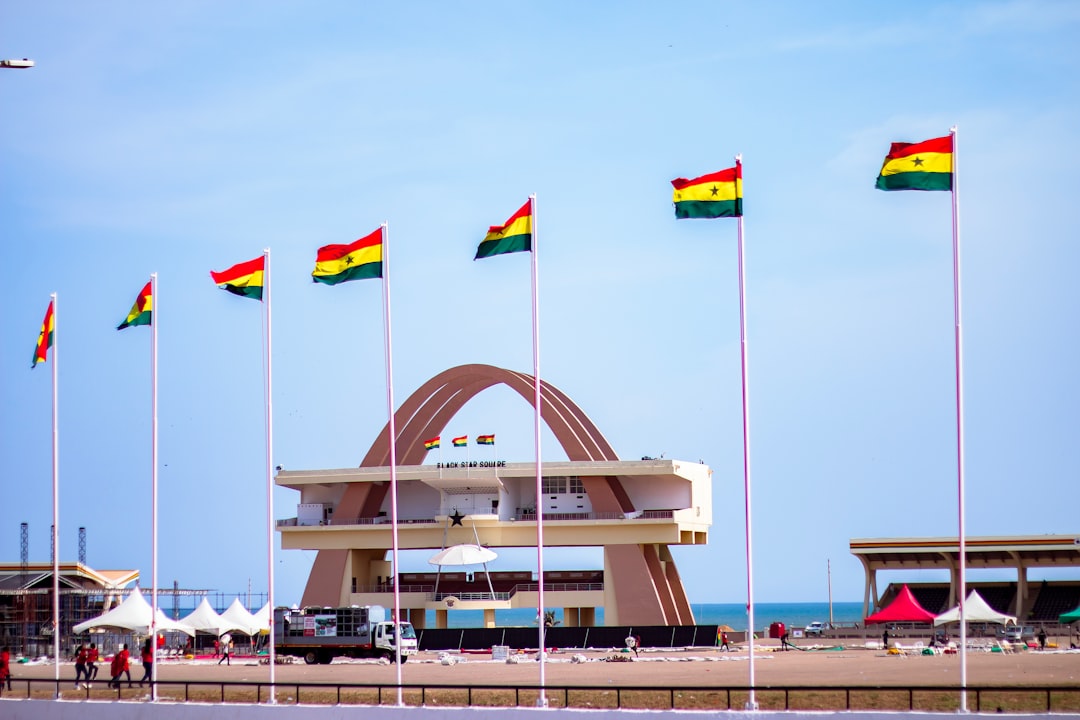
Ghana has signed a historic defense partnership with the European Union, becoming the first African nation to formalize such security cooperation with the continental bloc at a time when Western military influence across the region faces unprecedented challenges.
The agreement, concluded in recent days, represents a significant geopolitical shift as several Sahel nations have expelled French and European forces in favor of partnerships with Russia and other non-Western powers. Mali, Burkina Faso, and Niger have all severed longstanding security ties with France and the EU in the past two years.
A New Security Architecture
The Ghana-EU defense pact signals Brussels' attempt to maintain strategic partnerships in West Africa through a different model—bilateral agreements with stable democracies rather than broad regional interventions. For Ghana, a country that has maintained democratic continuity since 1992 and avoided the coups and insurgencies plaguing neighbors, the partnership offers access to European intelligence, training, and potentially equipment.
But the agreement raises critical questions about sovereignty and strategic autonomy that African security analysts are already debating. What exactly does Ghana gain, and what does it concede? Will European priorities—counterterrorism, migration control, and maritime security—align with Ghanaian national interests? And does reliance on European defense infrastructure compromise the very independence that Ghana has worked to maintain?
Regional Context
The timing is striking. As Burkina Faso and Mali form new military alliances and acquire weapons from Moscow, moves in the opposite direction. This divergence reflects deeper fractures in 's security landscape. While some nations view Western military presence as neocolonial interference, others see it as a pragmatic hedge against growing jihadist threats and regional instability.



