
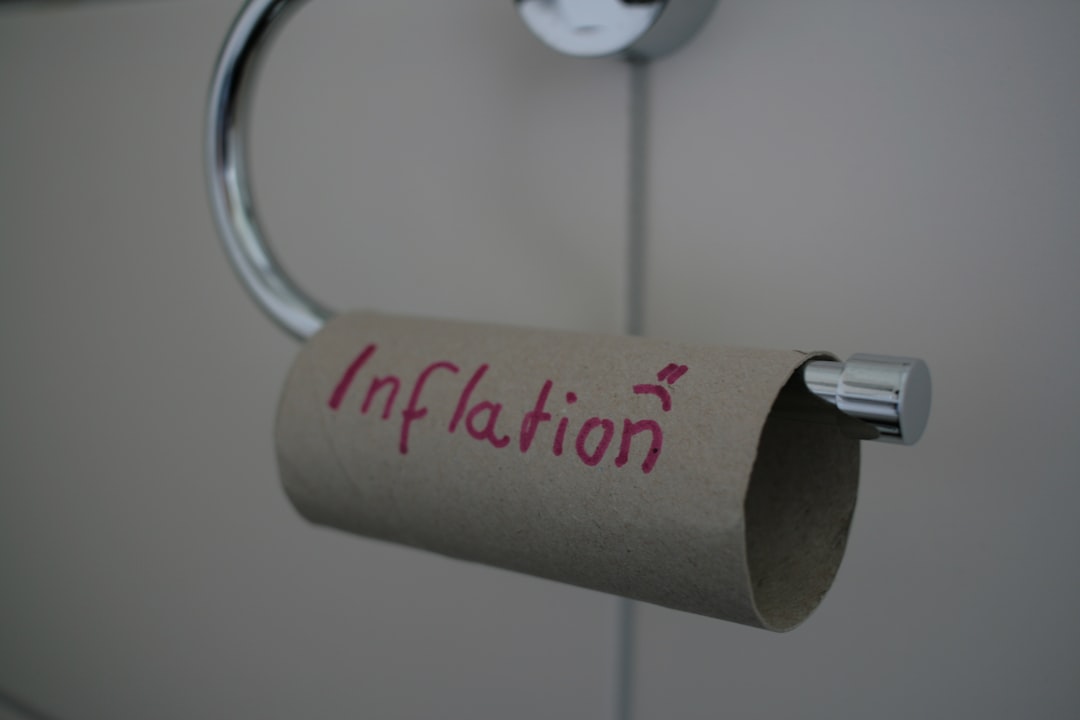
Germany's inflation just jumped to 2.7% in March, up from 1.9% in February, and if you're wondering what that means for your wallet, here's the short version: the Iran conflict is already hitting consumer prices, and the Federal Reserve isn't cutting rates anytime soon.
This is the first concrete inflation data we're getting since the conflict escalated, and it's not pretty. On a monthly basis, German CPI surged 1.1% in March alone. That's not a typo - prices rose over 1% in a single month.
The Oil-to-Inflation Pipeline
Here's how the dominoes fall: Oil prices have rocketed from around $70 per barrel before the conflict to $115-116 now. That's a 65% increase in crude, and it doesn't just stay at the pump. Higher energy costs ripple through everything - shipping, manufacturing, food production. When Germany's largest economy starts seeing 2.7% inflation, you can bet similar numbers are coming for the United States and everywhere else.
Markets are now pricing in two interest rate hikes from the European Central Bank this year, starting from Europe's already-low 2% rate. Meanwhile, the Fed's "higher for longer" mantra just got a whole lot more real. If you were hoping for rate cuts to juice your stock portfolio, I've got bad news: central bankers are dusting off their inflation-fighting playbooks.
What This Means for Your Money
For savers, this is actually decent news in the short term. Those 5% APY high-yield savings accounts aren't going anywhere if central banks are hiking. But for anyone with a mortgage, car loan, or credit card debt, the pain continues. Your borrowing costs aren't coming down.
For investors, sustained high inflation is poison for valuations. The S&P 500 just posted its fifth consecutive weekly loss - the longest losing streak in nearly four years. Tech stocks are getting hammered because high interest rates make future earnings worth less today. That's not market psychology; that's math.
The real question is whether this is temporary or the start of a longer inflationary cycle. If oil stays above $100, we're not talking about a one-month blip. We're talking about persistent price pressure that forces central banks to choose between crushing inflation or crushing economic growth.