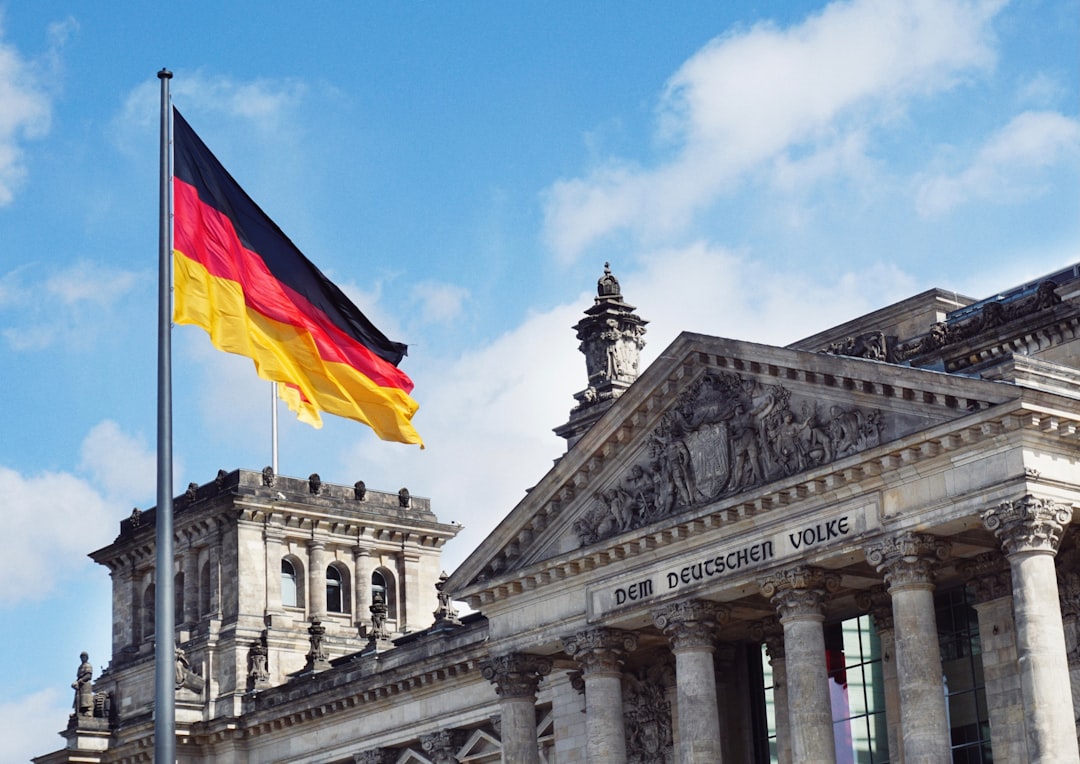
Six German lawmakers fell for an elaborate lobbying sting operation, offering parliamentary access, confidential documents, and legislative assistance to undercover journalists posing as representatives of a fictional e-cigarette manufacturer.
Abgeordnetenwatch.de and ZDF conducted the months-long investigation, creating a fake Luxembourg lobbying agency called "Ianua Strategy" promoting a nonexistent British vape company's interests. Twenty-seven politicians across all parliamentary factions responded to initial contact. Six agreed to in-person meetings.
What they offered reveals systemic vulnerabilities in Germany's legislative process:
A CDU member shared an unpublished faction draft on e-cigarette regulation via email. Another CDU legislator introduced the fake lobbyists to colleagues and offered support. An AfD representative submitted a parliamentary inquiry with content the operatives had formulated. A CDU woman offered to serve as patron for a lobby event in the Bundestag. An FDP politician disclosed non-public information about other parties' positions.
The investigation also exposed former politicians monetizing government access. Dirk Niebel (FDP), former development minister, and Rudolf Scharping (SPD), former defense minister, offered to arrange meetings with current government officials — quoting daily rates between €2,500-€3,000.
All of this is technically legal under German lobbying rules, which is precisely the problem.
The findings echo the European Parliament's Qatargate scandal, where lawmakers accepted cash and gifts to promote Qatari interests. After that debacle, Brussels implemented stricter lobbying registrations and transparency requirements. Germany should have learned the lesson.
Compare this to Brussels, where post-Qatargate reforms now require MEPs to disclose all lobbying meetings above a certain threshold, restrict gifts, and mandate cooling-off periods before parliamentarians can join lobby firms. The Bundestag has no equivalent comprehensive framework.
The investigation demonstrates what happens when legislative transparency is optional: Lawmakers unfamiliar with supposed clients readily share confidential information, former politicians openly sell access to current officeholders, and parliamentary inquiries become tools available to the highest bidder — or in this case, to journalists with a fake business card.
Opposition parties responded more readily in the sting, suggesting access to governing parties requires more sophisticated networking. But the willingness to engage substantively with unknown foreign operatives appeared across the political spectrum.
Berlin has long prided itself on cleaner governance than the often-criticized Brussels institutions. This investigation suggests that confidence is misplaced. The difference isn't that German politicians are more ethical — it's that Brussels got caught first and implemented reforms. Germany is still operating in the pre-scandal framework.
Brussels learned from Qatargate that trust in democratic institutions requires transparency about who influences legislation. Berlin just got the same lesson delivered by journalists with a fictional e-cigarette company. Whether it implements reforms or waits for a real scandal remains to be seen.