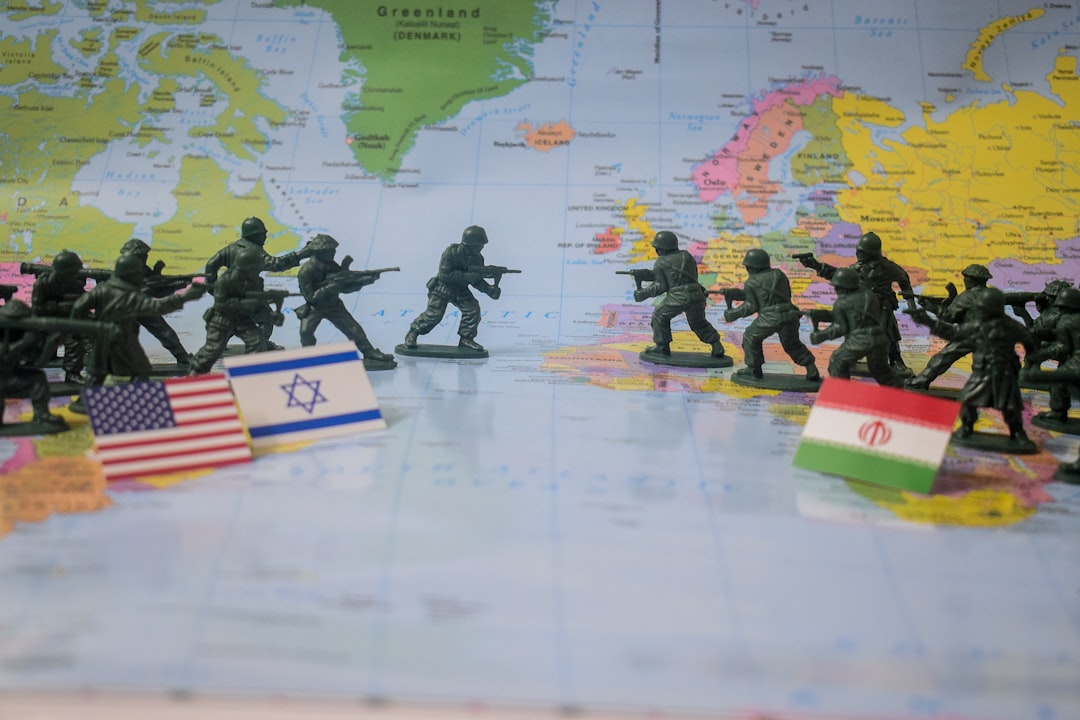
Gulf Cooperation Council states are privately questioning the value of hosting American military bases as they spend billions of dollars defending those same installations from attack—a fundamental reassessment of security relationships that have anchored Western military presence in the region for decades.
The question, increasingly voiced in Gulf capitals and on social media, is straightforward: If GCC states are spending vast sums intercepting missiles targeting American facilities on their territory, who is actually protecting whom?
"GCC allowed U.S. military bases for protection, now Iran is attacking those bases and GCC is spending billions intercepting those missiles," wrote one UAE resident on social media, articulating a sentiment that has gained traction across the region. "Shouldn't GCC be compensated by the U.S. for the protection they are providing to the bases?"
The question takes on particular urgency as UAE and other Gulf states deploy expensive air defense systems—many purchased from the United States—to intercept Iranian drones and missiles targeting not just American installations but also the surrounding areas that house them.
In the Emirates, as across the Gulf, ambitious visions drive rapid transformation—turning desert into global business hubs. Those hubs depend on stability and investor confidence, both of which are threatened when Gulf states become battlefields in conflicts they did not initiate.
The calculus that made Gulf-U.S. defense partnerships attractive for decades was relatively simple: Gulf states provided bases and overflight rights, while Washington provided security guarantees and advanced weapons systems to deter regional threats, particularly from .