
A Fox News crew accompanying President Trump's delegation to Beijing received a parking ticket within minutes of briefly stopping their vehicle near Haidian Station on the Beijing Metro—an incident that highlights not just China's extensive surveillance infrastructure but how Beijing views technology as an instrument of governance.
The crew filmed the experience and voiced concerns about the "sheer number of surveillance cameras" visible throughout Beijing, framing it through a Western privacy rights lens. The incident quickly circulated on social media, with the network's reporters expressing surprise at the speed and efficiency of enforcement.
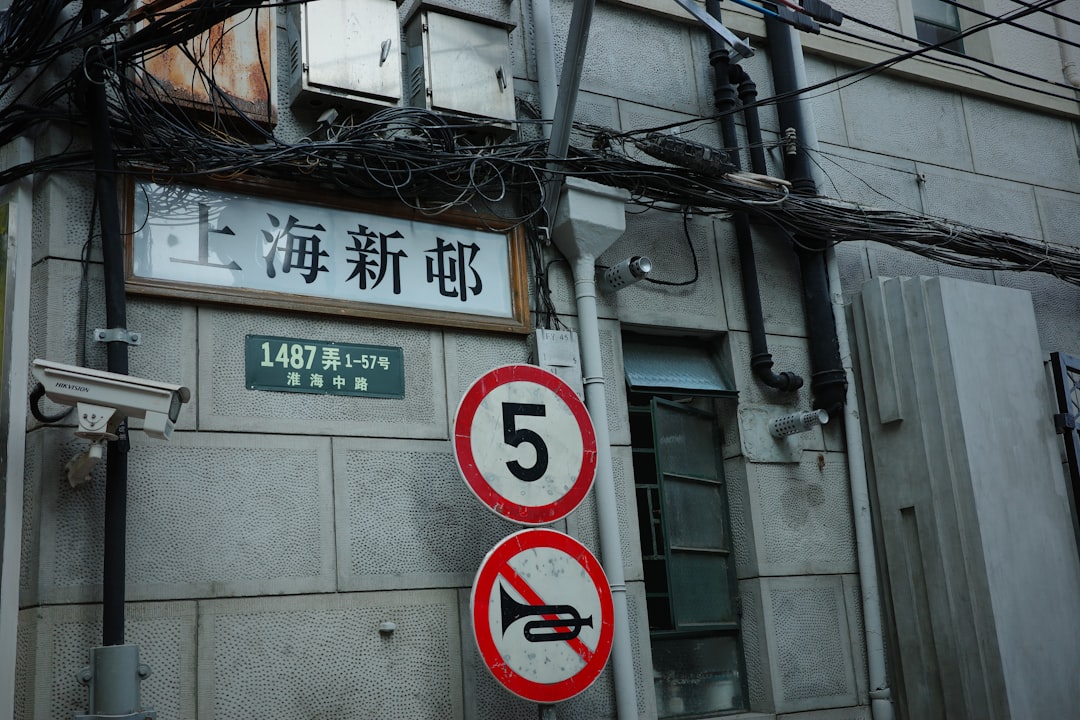
What the Fox News team encountered, however, is precisely the system Chinese officials promote as a model of "smart city governance." Beijing has deployed an estimated surveillance camera network exceeding one camera per seven residents—not as an aberration but as deliberate policy designed to enhance what the CCP calls "social management" and public order.
The automated ticketing system integrates license plate recognition, AI-powered traffic monitoring, and real-time payment systems. From the Chinese government's perspective, this represents technological advancement serving the public good: traffic violations are caught immediately, enforcement is consistent regardless of driver status, and payment is streamlined through digital platforms.
This incident occurred during Trump's summit with President Xi Jinping, creating symbolically rich timing. As American journalists experienced automated surveillance firsthand, their president was engaging with a government that sees such systems not as oppressive but as modern governance tools that other nations will eventually adopt.
The Chinese model of technology deployment differs fundamentally from Western frameworks. Rather than treating privacy as an individual right that limits state power, Beijing views data collection and monitoring as tools for social harmony and efficient administration. This philosophy extends far beyond traffic enforcement to social credit systems, health monitoring, and public security networks.
In China, as across Asia, long-term strategic thinking guides policy—what appears reactive is often planned. The surveillance infrastructure didn't emerge accidentally but represents years of coordinated investment and policy implementation across municipal, provincial, and central government levels. Beijing, Shanghai, and Shenzhen serve as testing grounds for systems later deployed nationwide.
The Fox crew's experience resonates differently depending on perspective. Western observers see it as validation of concerns about authoritarian surveillance. Chinese officials point to declining crime rates, efficient traffic management, and rapid emergency response as evidence the system works. Citizens within China express mixed views—some appreciate the order and safety, others resent the lack of anonymity.
What makes this moment significant is not that it happened, but that it happened to visiting American journalists during a diplomatic summit. The incident serves as a microcosm of broader US-China tensions: fundamentally different views about the proper relationship between individuals, technology, and state power. Neither side is likely to converge on these questions, making the competition between governance models as significant as economic and military competition.