As the global energy transition threatens fossil fuel demand, the oil and gas industry has executed a strategic pivot toward plastics—a move that embeds petrochemical products deeper into daily life while creating a waste crisis that rivals climate change itself, according to investigative journalist Beth Gardiner's new book.
The industry's plastic expansion represents more than a business strategy—it's a survival plan. With transportation electrification and renewable energy deployment accelerating, oil companies have identified petrochemical production, particularly plastics, as their growth sector for the coming decades. Industry projections suggest plastics could account for half of oil demand growth through 2050.
"The fossil fuel industry isn't pivoting away from oil—it's pivoting oil into forms that are harder to refuse and impossible to escape," Gardiner explained in an interview about her research. "Plastic isn't just packaging. It's in our clothing, our electronics, our furniture, our food. They've made their product inescapable."
The plastic production surge carries enormous climate implications that often escape public attention. Creating plastic requires massive energy inputs, and the process releases greenhouse gases throughout the supply chain—from extraction to refining to manufacturing. If plastic production continues its projected growth, the sector could consume 20% of global oil production by 2050, undermining emissions reduction efforts in other sectors.
Major oil companies have invested hundreds of billions of dollars in new petrochemical facilities, particularly in the United States and Asia. ExxonMobil, Shell, and Saudi Aramco have all announced massive plastic production expansions, betting that even as vehicles electrify and buildings transition to heat pumps, plastic demand will continue climbing.
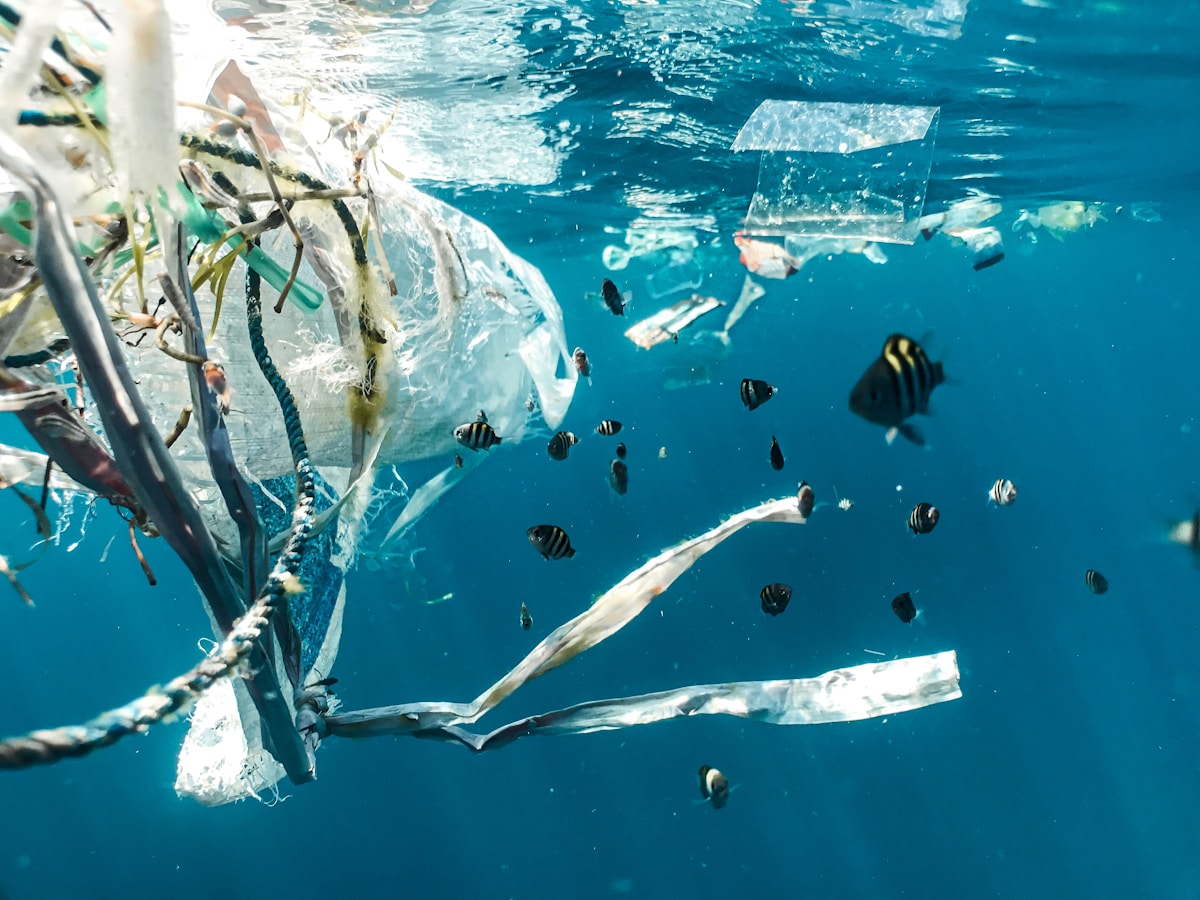
The environmental consequences extend far beyond climate. Global plastic production has exploded from 2 million tons annually in 1950 to over today. Only 9% gets recycled. The rest accumulates in landfills, incinerators, and increasingly, in ecosystems—from ocean gyres to Arctic ice to human bloodstreams.