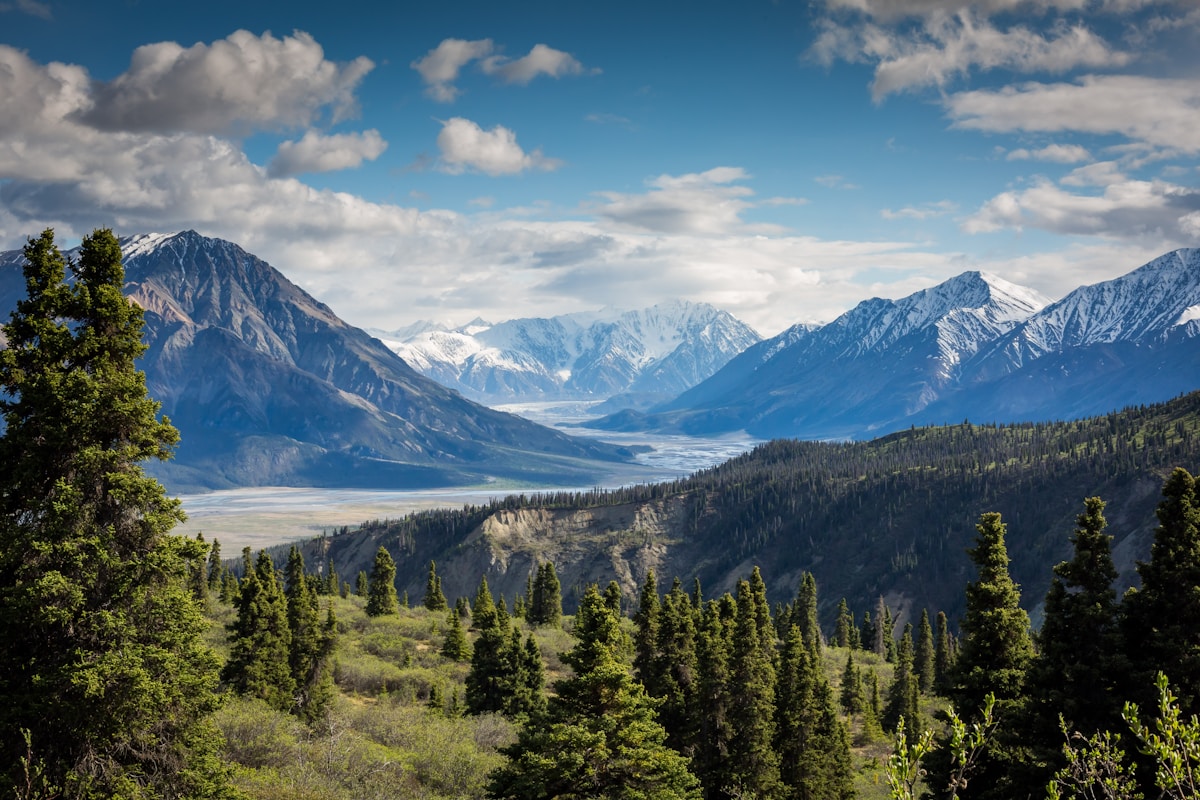

Armenia will host between nine and fourteen foreign experts in late March or early April to advise the government on electoral crisis management and intelligence sharing, a deployment that signals serious concerns about stability surrounding upcoming parliamentary elections.The expert mission, reported by Radio Free Europe/Radio Liberty, will remain in Yerevan for 10-15 working days with the stated goal of helping authorities prepare for various electoral scenarios and potential unrest. The initiative reflects both international concern about Armenian democratic stability and the Nikol Pashinyan government's recognition of domestic political vulnerability.Prime Minister Pashinyan faces mounting domestic opposition following the September 2023 collapse of Nagorno-Karabakh, when Azerbaijan recaptured the disputed territory after three decades of Armenian control. The loss—which resulted in the exodus of over 100,000 ethnic Armenians—has fueled protests and calls for Pashinyan's resignation from opposition groups who accuse him of betraying Armenian national interests.The deployment of crisis management advisors raises questions about the government's confidence in its own security apparatus. When a government requires foreign assistance to manage its own electoral process, it suggests either significant capacity gaps or concern that domestic security forces may face conflicting loyalties during politically charged moments.Opposition parties have seized on the announcement as evidence of Pashinyan's weakness. Critics argue that a legitimate government confident in public support would not need foreign experts to prepare for election-related contingencies. The prime minister's supporters counter that the mission demonstrates responsible governance and commitment to democratic standards.In the Caucasus, as across mountainous borderlands, ancient identities and modern geopolitics create intricate patterns of conflict and cooperation. Armenia's political crisis reflects not only domestic policy disputes but also fundamental questions about national identity, territorial integrity, and the country's geopolitical orientation following the Nagorno-Karabakh defeat.The timing compounds 's challenges. is simultaneously pursuing peace negotiations with , pivoting away from security dependence on , and seeking closer ties with Western partners including , , and the . Each of these policy shifts attracts domestic opposition from different constituencies.Pro-Russian opposition groups accuse of abandoning traditional alliances and exposing to Western manipulation. Armenian nationalists criticize his willingness to negotiate territorial concessions to . Even some reform-minded Armenians question whether —who rose to power through the 2018 promising democratic transformation—possesses the strategic acumen to navigate the country's complex security environment.The expert mission's specific mandate remains somewhat opaque. Crisis management planning for elections typically involves coordination between law enforcement, election administrators, and judicial authorities to address potential vote manipulation, protests, or violence. Intelligence sharing suggests concern about external interference or organized efforts to destabilize the electoral process. has faced allegations of Russian interference in previous elections, and has expressed displeasure with 's recent Western orientation. Whether the expert mission focuses primarily on domestic opposition movements or foreign interference—or both—may indicate the government's assessment of the primary threats to electoral stability.The deployment also reflects international stakeholders' concerns about 's stability. A contested election or post-electoral crisis could further destabilize a country already struggling with territorial losses, economic pressures, and security transitions. Western partners supporting 's democratic development have incentive to ensure electoral credibility.Yet foreign involvement in electoral crisis management carries risks. Opposition groups may portray the experts as evidence of Western interference, particularly if election outcomes favor 's coalition. In a politically polarized environment, any association between the government and foreign advisors can become ammunition for critics.The upcoming elections will likely serve as a referendum not only on 's leadership but on fundamental questions about 's future direction. Whether the country continues its Western pivot or reverts to closer Russian alignment, pursues territorial compromise with or takes a harder line, depends partly on electoral outcomes.The deployment of foreign crisis management experts underscores the stakes. In a region where political transitions have historically been accompanied by instability—and where external powers maintain active interest in outcomes—the preparations suggest that both and its international partners recognize the elections as a critical juncture with implications extending beyond domestic politics.
|