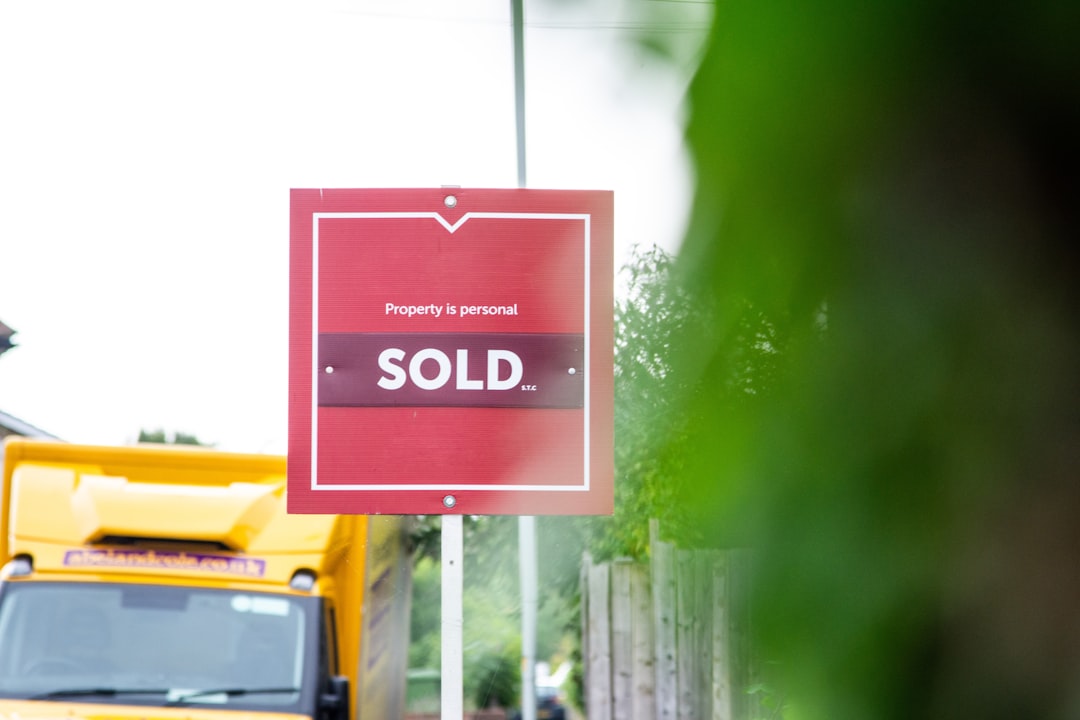
U.S. foreclosure filings have surged to their highest level in six years, a troubling signal that the housing affordability crisis is moving from abstract statistics to concrete financial devastation. The Wall Street Journal reports that rising mortgage rates, elevated home prices, and stubborn inflation are combining to push overleveraged homeowners into default.
The numbers tell a stark story. Foreclosure activity is climbing across multiple regions, with particularly sharp increases in markets that experienced the most aggressive price appreciation during the pandemic housing boom. Homeowners who stretched to buy at peak prices in 2021-2022 are now underwater on mortgages carrying interest rates above 7%, facing monthly payments that consume 40-50% of household income.
This isn't 2008—yet. The current wave of foreclosures reflects a different dynamic than the subprime mortgage crisis. Most distressed borrowers have decent credit scores and put down substantial down payments. But they bought at the worst possible time, locking in high prices just before the Federal Reserve's aggressive rate hikes sent borrowing costs soaring. When economic shocks hit—job loss, medical bills, divorce—there's no equity cushion to fall back on.
Mortgage industry sources point to a disturbing pattern: first-time homebuyers and younger households are failing first. These borrowers entered the market with minimal savings, maxed out their debt-to-income ratios to qualify for loans, and have no financial buffer when income disruptions occur. The 30-year-olds who thought they were building wealth are instead facing foreclosure, damaged credit, and years of financial recovery.
Regional breakdowns show the pain is concentrated in markets that experienced the most extreme price run-ups. Austin, Phoenix, Boise, and parts of Florida are seeing foreclosure rates that exceed pre-pandemic levels. These are the same markets where affordability collapsed fastest and speculative buying peaked.
Compare this to pre-2008 patterns and a troubling parallel emerges: foreclosure increases often precede broader economic distress by 12-18 months. When homeowners default, they pull back consumer spending, triggering ripple effects through retail, services, and local employment. Banks increase lending standards, making it harder for qualified buyers to enter the market. Housing markets seize up, prices stagnate or fall, and the wealth effect that drove economic growth reverses.
The question isn't whether this is a problem—it clearly is. The question is whether foreclosures will stabilize at elevated levels or accelerate into a broader housing crisis. That depends on variables outside homeowners' control: will the economy soften enough to force Fed rate cuts? Will unemployment remain low? Can wage growth outpace inflation?