While markets fixate on oil prices, a quieter crisis is unfolding in agricultural supply chains: the Iran conflict has severely disrupted global fertilizer production and exports, setting the stage for significant food price increases that will hit consumers later this year.
Iran is a major producer of nitrogen-based fertilizers, accounting for roughly 2% of global supply—a small share that becomes critical during supply shocks. The country's fertilizer plants have either shut down due to conflict-related damage or are operating at reduced capacity. Meanwhile, international sanctions and shipping route disruptions are choking off exports from the region entirely.
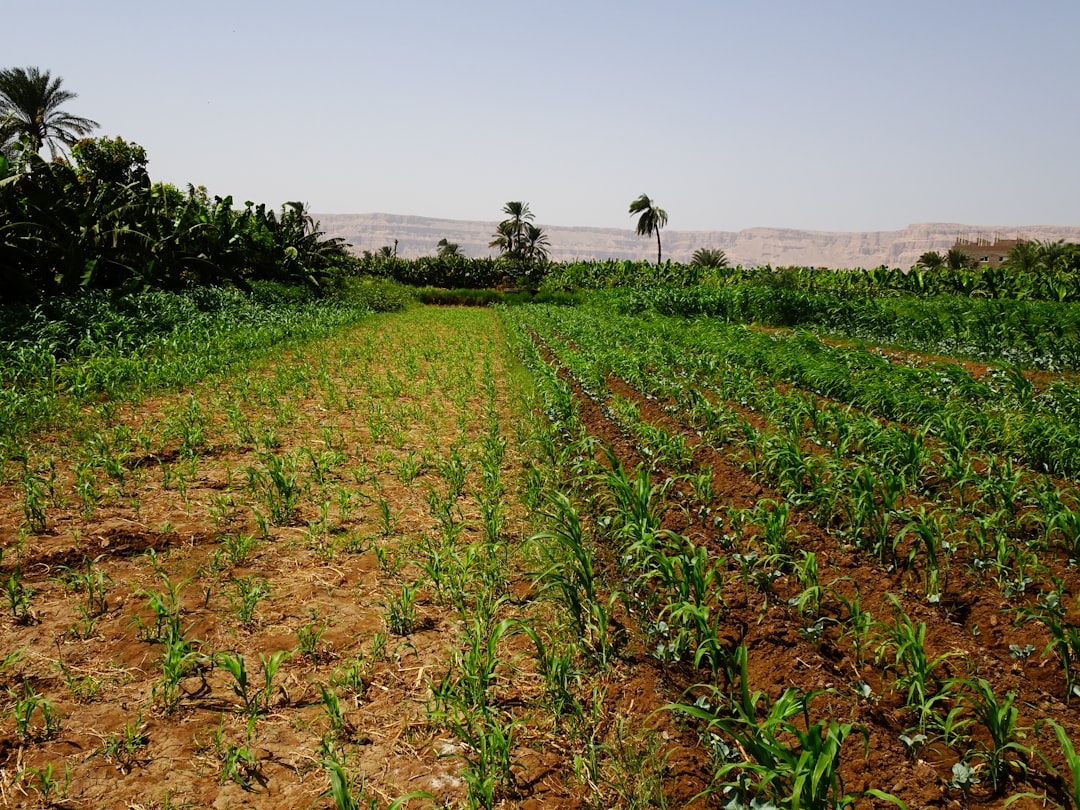
The fertilizer shortage creates a cascade effect that most consumers won't see until it's too late. Farmers typically purchase fertilizer months before planting season. Spring planting for corn, wheat, and soybeans is already underway in the Northern Hemisphere, and growers are facing both supply constraints and sharply higher prices for available inventory. Fertilizer costs have jumped 30-40% in spot markets over the past three weeks.
Here's the timeline that matters: crops planted with insufficient fertilizer in April and May will show reduced yields when harvested in August through October. Those reduced harvests will then work their way through food processing and distribution channels, with grocery price impacts materializing by late 2026 and early 2027.
Agriculture economists are projecting potential food price increases of 8-12% for fertilizer-intensive crops if the supply disruption extends through the summer. For context, that would represent the largest agriculture-driven inflation spike since the 2008 commodity crisis.
The second-order effects matter too. Higher food costs strain household budgets, particularly for lower-income consumers who spend a larger share of income on groceries. This adds to existing inflation pressures from elevated energy prices, creating a painful squeeze on real purchasing power.
There's also geopolitical exposure. Russia is the world's largest fertilizer exporter, and any expansion of conflict or sanctions in the region could compound supply problems dramatically. The global fertilizer market has minimal spare production capacity, making it highly vulnerable to disruption.
For now, the story remains largely under the radar. But make no mistake: the fertilizer shortage is the inflation story markets are missing. By the time grocery prices reflect the impact, it will be too late for policymakers to prevent it. The farm-to-table supply chain has a long lag, and the damage is already baked in.