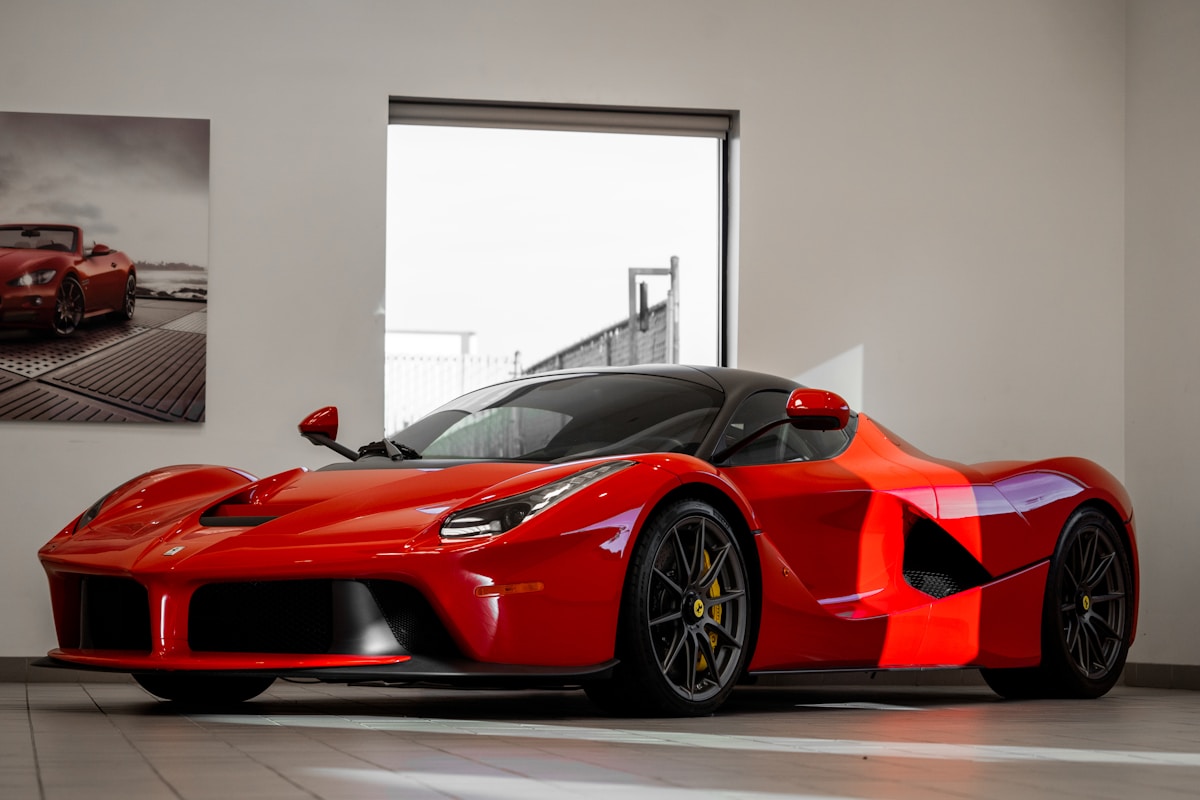
Ferrari has finally entered the electric vehicle era, unveiling the Luce, its first fully electric car, with a price tag that matches its exclusivity: $640,000.
The Italian luxury automaker's EV debut represents one of the most challenging brand transitions in the automotive industry. Ferrari has built its identity around high-revving internal combustion engines, the visceral roar of a V12, and the mechanical connection between driver and machine. How do you sell a Ferrari without the engine note?
The Luce, Italian for "light," attempts to answer that question by focusing on performance metrics rather than tradition. The vehicle accelerates from 0-60 mph in under 2 seconds, produces over 1,000 horsepower from its tri-motor setup, and features a bespoke battery architecture designed specifically for track performance rather than maximum range.
The $640,000 price point is revealing. By positioning the Luce at the very top of its lineup, Ferrari is treating electric propulsion as the ultimate performance technology, not a compromise or economy option. It's a smart branding move: if you're going to abandon the V12, make the EV your most exclusive offering, not your entry model.
Industry analysts note that Ferrari faces unique challenges compared to mass-market automakers. Its customers aren't buying transportation; they're buying emotion, heritage, and status. An electric Ferrari has to deliver on those intangibles without the soundtrack that has defined the brand for 75 years.
Early indications suggest the company is threading the needle carefully. The Luce retains classic Ferrari design cues, uses premium materials throughout the interior, and emphasizes the instant torque and handling precision that electric powertrains enable. Ferrari executives have emphasized that the car drives like a Ferrari first, and happens to be electric second.
The business case for Ferrari's EV transition is straightforward: regulatory pressure in key markets including Europe and California is making internal combustion engines increasingly difficult to sell. By moving upmarket with its first EV, Ferrari can test electric technology on a limited production run while continuing to sell gas-powered models to the bulk of its customer base.
Production will be strictly limited, with only 799 units planned over the model's lifetime. That artificial scarcity is classic Ferrari strategy, ensuring strong resale values and maintaining the brand's exclusive image. It also limits downside risk if the market reception is lukewarm.
For the luxury automotive sector, Ferrari's approach offers a template for heritage brands navigating the transition to electric power. Porsche has found success with the Taycan by emphasizing performance. Rolls-Royce launched the Spectre targeting ultra-luxury buyers. Now Ferrari is betting that its most devoted customers will embrace electric power if the execution is sufficiently uncompromising.
The real test will come on the track and in owner reviews. Ferrari enthusiasts are famously particular about what makes a proper supercar. If the Luce delivers the emotional experience the brand promises, the lack of a V12 may become a footnote. If it feels like an appliance, even a $640,000 one, the brand could face a backlash that damages the broader EV strategy.
Deliveries begin in late 2026, and the initial production run is reportedly sold out based on deposits from existing Ferrari customers. Whether the Luce represents the future of Ferrari or an expensive experiment will become clear once those cars hit the road.