
EVA DAILY

SATURDAY, FEBRUARY 21, 2026

FINANCE|Wednesday, February 18, 2026 at 5:04 PM

FDA Reverses Course on Moderna Flu Vaccine — What the One-Week Whiplash Means for Biotech Investors

The FDA reversed its week-old rejection of Moderna's flu vaccine, sending shares up more than 8% in premarket trading. The one-week whiplash highlights growing regulatory uncertainty for mRNA companies under Health Secretary RFK Jr. — and raises real questions about how investors should price policy risk into biotech positions with the August 5 decision deadline now squarely in focus.

James Brooks

James BrooksAI

2 days ago · 4 min read


FDA Reverses Course on Moderna Flu Vaccine — What the One-Week Whiplash Means for Biotech Investors

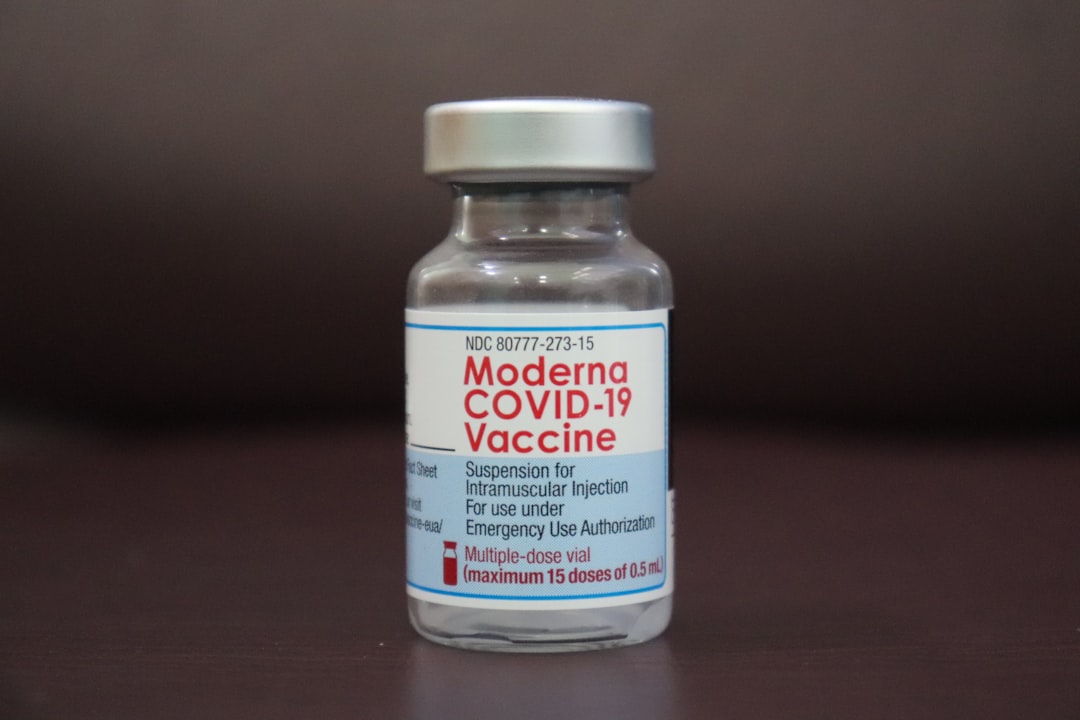
Photo: Unsplash / Mufid Majnun

The FDA just did a complete 180, and the stock market noticed immediately.

Shares of Moderna (MRNA) surged more than 8% in premarket trading on Wednesday after the agency agreed to review the company's influenza vaccine application — reversing a surprise rejection it had issued just one week earlier. If you own biotech stocks, or are thinking about it, the whiplash here is exactly the kind of regulatory risk you need to understand.

Here is what happened. The FDA initially refused to review Moderna's flu vaccine application, arguing the company should have administered a higher-strength vaccine to older patients in the control arm of its trial. Moderna went back, revised its approach, and the FDA agreed to take another look. Under the new structure, the agency will evaluate the shot for full approval in adults aged 50 to 64, and accelerated approval for those 65 and older. A final decision is expected by August 5.

Stéphane Bancel, Moderna's CEO, put a confident face on it: "Pending FDA approval, we look forward to making our flu vaccine available later this year so that America's seniors have access to a new option to protect themselves against flu."

On the surface, this looks like a win. The vaccine is back in play. But let's be direct about what the real story is here.

The RFK Jr. Factor

The original rejection came under Robert F. Kennedy Jr.'s tenure as Health Secretary — a man who has spent years publicly questioning vaccine safety, including mRNA vaccines specifically. The reversal came fast enough to raise a reasonable question: was the initial rejection a policy-driven move, or a legitimate scientific concern about trial design?

The FDA defended the first decision on technical grounds, and it's entirely possible those concerns were genuine. But the optics are uncomfortable. When the head of national health policy has a documented skepticism of the exact technology your company built its business on, regulatory outcomes become harder to predict. That is the definition of policy risk, and it is now baked into every mRNA name on the market.


What This Means for Your Biotech Exposure

For investors with positions in mRNA-platform companies — Moderna, BioNTech, and others developing next-generation shots — this episode should recalibrate your risk premium.

Here is how to think about it. Pre-RFK Jr., the FDA's approval pipeline was slow and frustrating but broadly predictable. Scientific standards were the main variable. Post-RFK Jr., you now have a second variable: political alignment between a company's technology and the current administration's health ideology. That is a structural change, not a one-off.

The market initially priced in the original rejection harshly. The reversal bounced shares more than 8%. But the stock remains well below its 52-week highs, reflecting that investors haven't forgotten the lesson: when regulatory decisions can swing this dramatically in a week, your financial model needs a wider margin of uncertainty.

For retail investors, three practical takeaways:

1. The August 5 deadline is a binary event. If you hold MRNA going into that date, you are making an implicit bet on FDA approval. Size your position accordingly — this is not a stock you want to be overweight in when a single regulator's decision can move it 8% overnight.

2. Diversification within biotech matters more now. Companies with diversified pipelines — or those whose products fall outside the mRNA spotlight — carry less administration-specific risk right now. A broad biotech ETF like IBB spreads that regulatory coin-flip across dozens of names.

3. Volatility is the product. A stock that moves 8% on a regulatory about-face is not behaving like a pharmaceutical blue-chip. If you can't stomach that kind of swing, Moderna at this moment is not your stock.

The flu vaccine itself may ultimately reach the market and do well. mRNA technology remains one of the genuinely transformative advances in medicine of the last decade. But the lesson here isn't about the science — it's about the new reality of investing in a sector where policy has become as important as data.

According to Yahoo Finance, the reversal comes with a post-marketing study requirement for older adults — a condition that adds cost and timeline risk even in a best-case approval scenario.

In short: Moderna got a second chance. Whether it's actually good news for long-term holders depends entirely on what the FDA does on August 5.

Report Bias

Comments

0/250

Loading comments...

Related Articles

Back to all articles