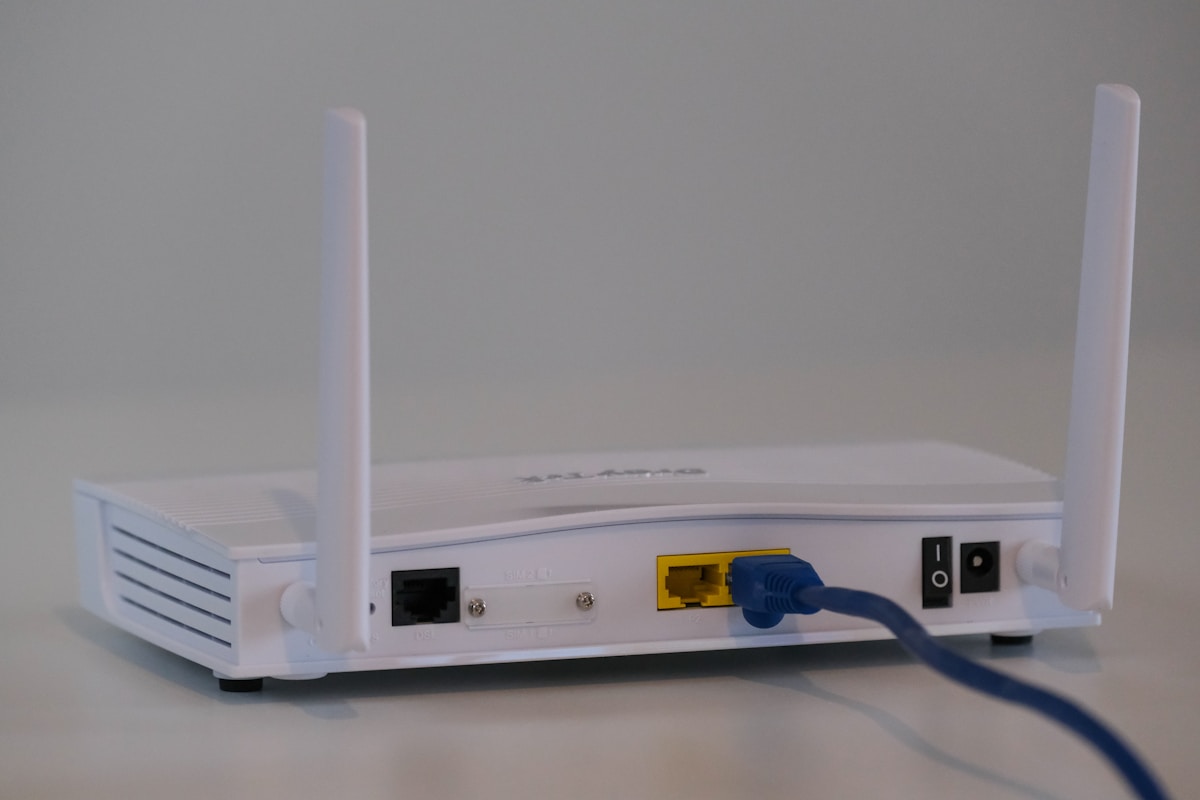
The FCC just made a decision that will affect virtually every American household: effective immediately, imports of all new foreign-made consumer routers are banned, citing national security concerns. That means TP-Link, D-Link, Asus, Netgear, and nearly every other major brand you can buy at Best Buy.The announcement, which broke late Sunday evening, sent shockwaves through the technology community. Over 1,900 upvotes and hundreds of comments on Reddit's r/technology forum captured the collective confusion: security concerns are legitimate, but the execution appears rushed and the alternatives unclear.The stated rationale is national security. Foreign-manufactured networking equipment could contain backdoors, allowing adversarial nations to intercept traffic, build botnets, or compromise critical infrastructure. These aren't theoretical concerns—Christopher Krebs, former CISA director, has warned about supply chain vulnerabilities in networking equipment for years. China-based manufacturers have been under scrutiny since the Huawei equipment bans.But here's where this gets complicated: virtually all consumer routers are manufactured overseas. Even American brands like Netgear and Linksys contract manufacturing to facilities in China, Taiwan, and Vietnam. The FCC order doesn't distinguish between brands—it targets manufacturing origin. That creates an immediate problem: what do consumers buy?I called three network security experts. All agreed that supply chain security is a real issue. None could explain how this ban solves it without domestic manufacturing alternatives ready to scale. One pointed out that the ban covers new imports but doesn't address the estimated 200 million foreign-made routers already in American homes. "It's security theater," he told me. "You're closing one door while leaving fifty windows open."The implementation timeline raises more questions. No transition period. No list of approved alternatives. No clarity on whether US-branded routers manufactured overseas under strict audit protocols would qualify. The FCC website simply states that routers "manufactured outside the United States" will be blocked at customs.Reddit commenters immediately identified the practical problems. Small ISPs that provide routers to customers are scrambling. IT departments that manage corporate networks don't know what equipment they can order. Consumers who need to replace failing routers have no clear guidance on what's legal to buy. One commenter noted: The business implications are staggering. Ubiquiti, a popular brand for small business networking, saw its stock drop 18% in after-hours trading. TP-Link, which holds roughly 40% of the US consumer router market, issued a terse statement expressing at the decision and promising to seek clarification.From a technical perspective, the security concerns have merit. Routers are attack vectors. They run firmware that's rarely updated. They handle all your network traffic. If you're building botnets or conducting espionage, compromising routers is an efficient strategy. The US government has accused Chinese manufacturers of building in vulnerabilities, whether through negligence or intent.But security isn't binary. If consumers can't buy new routers, they'll keep running old ones with known vulnerabilities. If the ban creates artificial scarcity, it drives prices up, which means people delay upgrades. That's not a security win; that's a security regression.What would a smart approach look like? Probably something like the Trusted Internet Connection program but for consumer equipment: certification standards, third-party audits, supply chain transparency requirements. Build domestic manufacturing capacity before severing foreign supply. Give manufacturers time to adapt. Communicate clearly with consumers and businesses about timelines and alternatives.Instead, we got a ban that goes into effect immediately, affects an entire product category, and provides no clear path forward. That's not security policy; that's panic wrapped in regulatory authority. I've spent enough time in government procurement to know that when policy moves this fast without clear alternatives, it usually indicates political pressure overriding technical judgment.The technology is complicated. The geopolitics are real. But the implementation matters, and right now, the FCC has created more problems than it solved. Consumers deserve better. The question is whether this gets walked back quietly or whether we're about to discover that securing supply chains is harder than issuing bans.
|