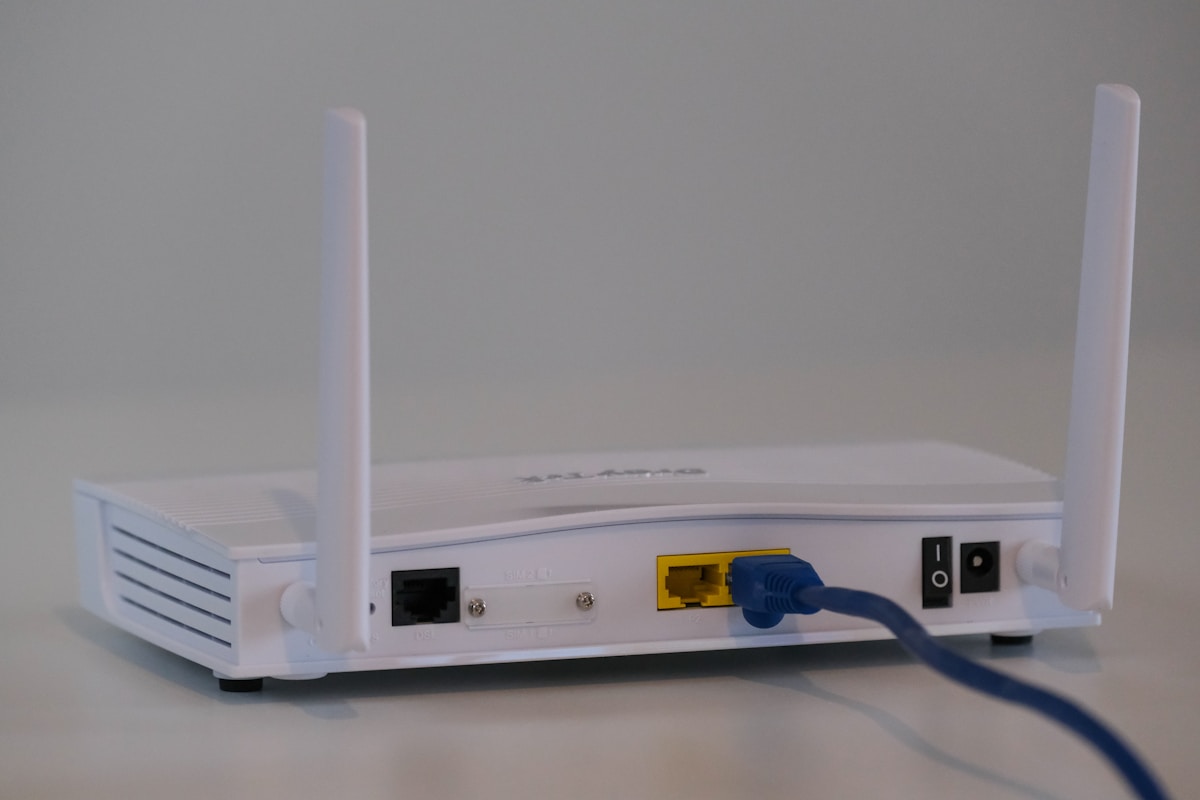
The FCC just dropped a policy bomb that nobody in the networking industry saw coming: a comprehensive ban on the import and sale of new Wi-Fi routers manufactured outside the United States. The rule affects virtually every consumer router brand you've heard of, and the industry is scrambling to figure out what comes next.
Let's be clear about what this means: TP-Link, Netgear, Asus, D-Link - basically every router brand sold in the US is manufactured in China, Taiwan, or elsewhere in Asia. There is virtually no domestic router manufacturing capacity. This isn't like banning Huawei equipment from telecom networks. This is banning the routers in homes and small businesses across the country.
The FCC's justification is national security. They're concerned about backdoors in firmware, potential for remote compromise, and the risk of foreign governments using consumer networking equipment for surveillance or cyberattacks. Those are legitimate concerns. What's not clear is whether this ban actually addresses them or just creates a massive disruption in the consumer electronics market.
Here's the technical reality: router security is terrible across the board. It doesn't matter where they're manufactured. Consumer routers run outdated firmware with known vulnerabilities. They rarely get security updates. Many have default passwords that users never change. If you want to secure the home networking ecosystem, the manufacturing location is way down the list of problems to fix.
The suspicious timing suggests this is less about security and more about trade policy wrapped in security justification. The ban was announced with minimal industry consultation, no clear timeline for compliance, and no plan for how consumers are supposed to buy routers in the interim. That's not how you implement a thoughtful security policy. That's how you implement a political decision and figure out the details later.
The practical problems are enormous. There's no domestic manufacturing capacity for consumer routers. Building fab facilities takes years and billions in investment. In the short term, this means router shortages, price increases, and a lot of consumers stuck with aging equipment that won't get security updates. That probably makes home networks less secure, not more.
Some companies are talking about final assembly in the US using foreign-made components. It's unclear if that satisfies the FCC rule. Others are looking at manufacturing in countries that aren't on the ban list, which just shifts the supply chain without addressing the underlying security concerns. If the worry is foreign government backdoors, assembling Chinese-made components in doesn't solve anything.