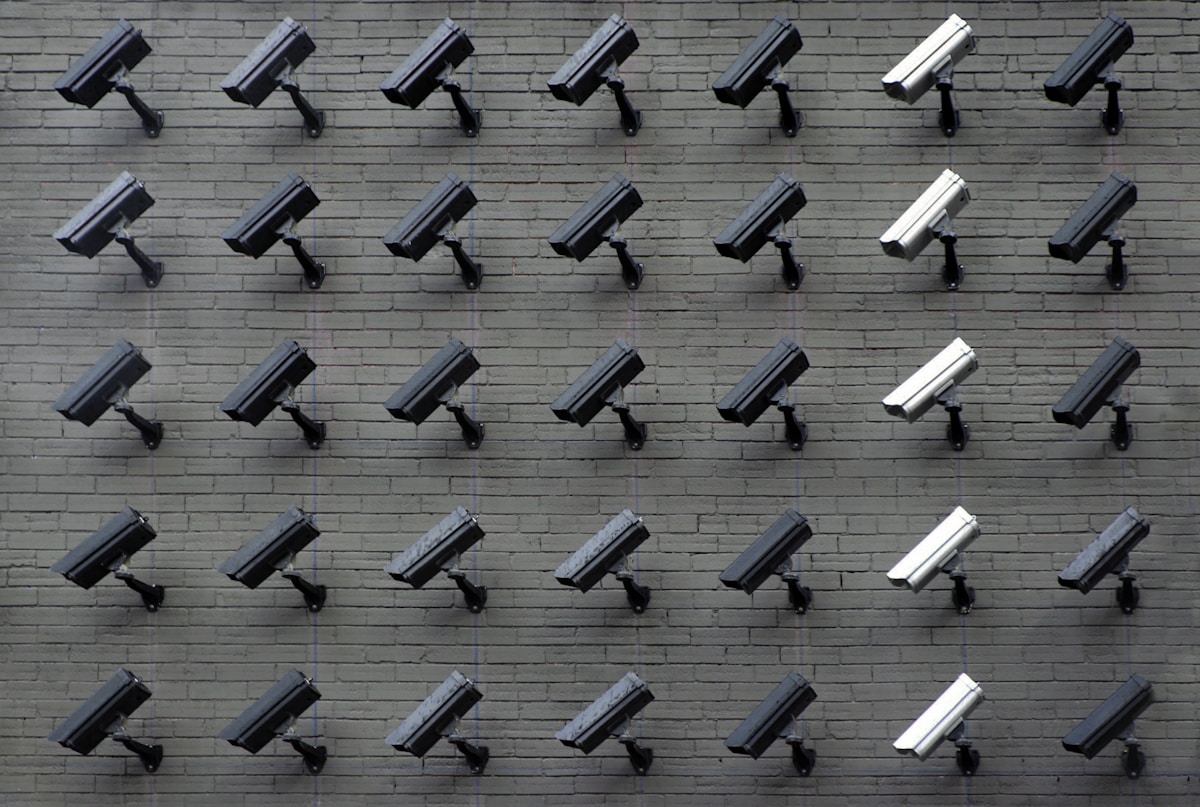
The FBI is seeking to purchase nationwide access to license plate reader networks, according to procurement documents obtained by 404 Media. The move would give federal law enforcement unprecedented visibility into Americans' driving patterns and locations. License plate readers were sold as local crime-fighting tools. Now the FBI wants to nationalize the surveillance network. This is how pervasive surveillance gets built - one reasonable-sounding contract at a time.
Here's what the FBI wants: access to automated license plate readers (ALPRs) deployed nationwide by local police departments and private companies. These cameras capture every passing license plate, time-stamping the location and storing the data for weeks or months. Link enough of these systems together and you can track vehicle movements across the country without a warrant.
Only two vendors can fulfill the FBI's requirements: Flock and Motorola. That's telling. The FBI isn't asking for limited data access or specific investigative tools. They're asking for comprehensive national coverage, which only exists if you aggregate the ALPR networks from hundreds of municipalities and private operators. This is database fusion at scale.
The procurement language focuses on investigative utility - tracking suspects, solving crimes, finding missing persons. All legitimate law enforcement use cases. But license plate readers don't just capture criminals' movements. They capture everyone's movements. Every time you drive past a camera, your location gets logged. String together enough cameras and you have a detailed timeline of where someone goes, when, and with whom.
Civil liberties advocates have opposed local ALPR deployments for years, arguing they enable warrantless mass surveillance. The counterargument was always that the data stays local, controlled by city police departments with community oversight. The FBI's procurement undermines that argument entirely. If all the local data gets aggregated into a federal database, local control becomes meaningless.
The timing matters. Protests against ALPR surveillance have increased nationwide as more people realize the scope of data collection. The FBI's response isn't to address privacy concerns - it's to buy comprehensive access before public opposition makes that politically difficult. Once the contract is signed and the integration is complete, reversing it becomes much harder.
This is pattern-of-life surveillance at scale. Where you drive reveals where you live, where you work, who you visit, what religious institutions you attend, what medical facilities you use, and which political events you participate in. All of that becomes accessible to federal agents without a warrant, just by querying a license plate database.