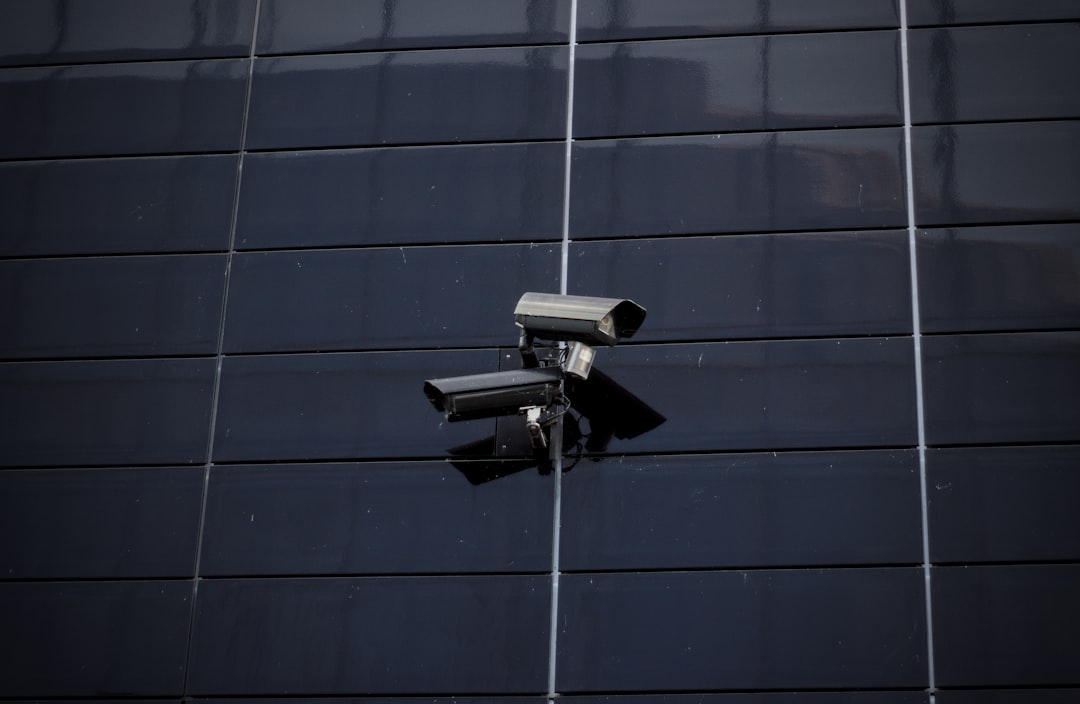
New government data reveals the FBI conducted 7,413 warrantless searches of Americans' data in 2025, a 35% increase from the previous year, despite repeated promises of reform. The increase comes as Congress debates reauthorization of Section 702 surveillance powers, adding fuel to privacy advocates' concerns about domestic surveillance overreach.
The pattern is familiar: surveillance expands, Congress promises reform, nothing changes. But the numbers matter here—they show whether the FBI is actually following the spirit of oversight or just checking boxes.
Section 702 of the Foreign Intelligence Surveillance Act permits the NSA to collect foreign intelligence from international communications. The problem: the law also intercepts Americans' data when they communicate with foreign targets or when their messages are caught in bulk collection. The FBI can then search that data without warrants.
These searches—called "U.S. person queries"—increased from 5,518 to 7,413 between December 2024 and November 2025. The FBI argues the searches are necessary for national security investigations and that only 28% of queries actually returned relevant information.
That 28% figure is supposed to reassure us. It does the opposite. It means 72% of searches turned up nothing, suggesting the FBI is casting a wide net rather than pursuing specific leads.
The increase reverses years of decline. In 2021, the FBI conducted nearly 3 million such searches. Public outcry and congressional pressure drove that number down to 57,094 by 2023. Now it's climbing again.
Previous data revealed controversial uses: FBI searches targeted suspects in the January 6 Capitol attack, participants in George Floyd protests, and even a member of the House Intelligence Committee. Those revelations were supposed to prompt reform. Instead, we're seeing expansion.
Section 702 expires April 20, 2026. That's the leverage point. Progressive and conservative lawmakers—strange bedfellows on surveillance issues—oppose renewal without warrant requirements. Civil liberty groups are urging Democrats to block reauthorization unless new privacy protections are added.
The FBI argues that requiring warrants would hamstring national security investigations. There's a real trade-off here. Section 702 has been credited with disrupting terrorist plots and cyberattacks. The question is whether those successes justify warrantless searches of Americans' communications.