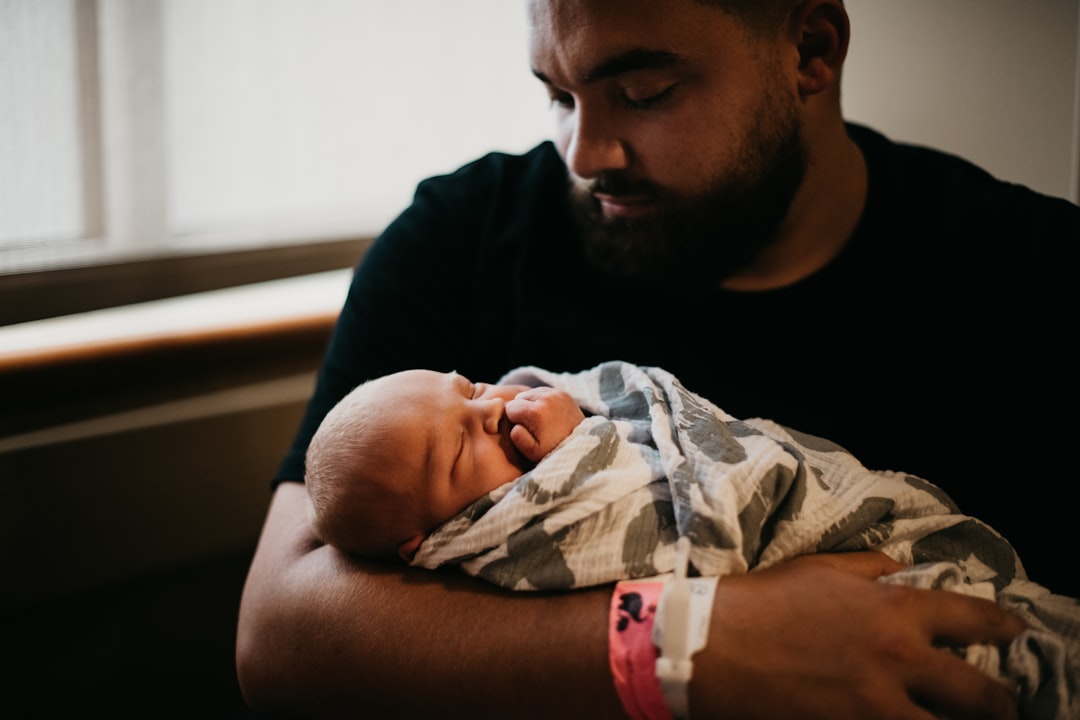
Fathers experience a sharp increase in depression and stress disorders beginning one year after their child's birth—a delayed mental health crisis that healthcare systems are largely unprepared to address, according to comprehensive research tracking over one million Swedish fathers.
The study, conducted by researchers at Karolinska Institutet and Sichuan University, revealed an unexpected pattern: while fathers showed decreased psychiatric diagnoses during pregnancy and the first months of infancy, depression and stress-related disorders surged more than 30% above baseline levels once children reached their first birthday. The findings challenge assumptions about when parental mental health support is needed most.
"The transition to fatherhood often involves both positive experiences and a range of new stresses," explained doctoral student Jing Zhou, including relationship strain and chronic sleep disruption. Yet current postpartum care systems focus almost exclusively on mothers during the immediate weeks after birth, leaving fathers vulnerable during a critical period that arrives months later.
The research examined psychiatric diagnoses from one year before pregnancy through each child's first birthday, analyzing patterns across children born between 2003 and 2021. While anxiety and substance-related conditions returned to pre-pregnancy levels, the persistent elevation in depression and stress disorders at the one-year mark suggests a distinct second-wave mental health burden.
Associate Professor Donghao Lu emphasized that this finding "underscores the need to pay attention to warning signs of mental ill-health in fathers long after the birth of their child." The research team noted that paternal wellbeing matters for entire families, not just mothers—yet healthcare policy rarely reflects this understanding.
Current postpartum care protocols typically end at six weeks for mothers and offer virtually no structured mental health screening for fathers at any point. This gap leaves families navigating the challenging transition to parenthood without adequate support precisely when stress accumulates: when parental leave ends, work demands resume, and the initial excitement of new parenthood gives way to exhausting reality.