When 550 pizza restaurants close in a single year and a major franchisee files for bankruptcy, that's not just corporate restructuring—that's a warning sign about consumer spending.
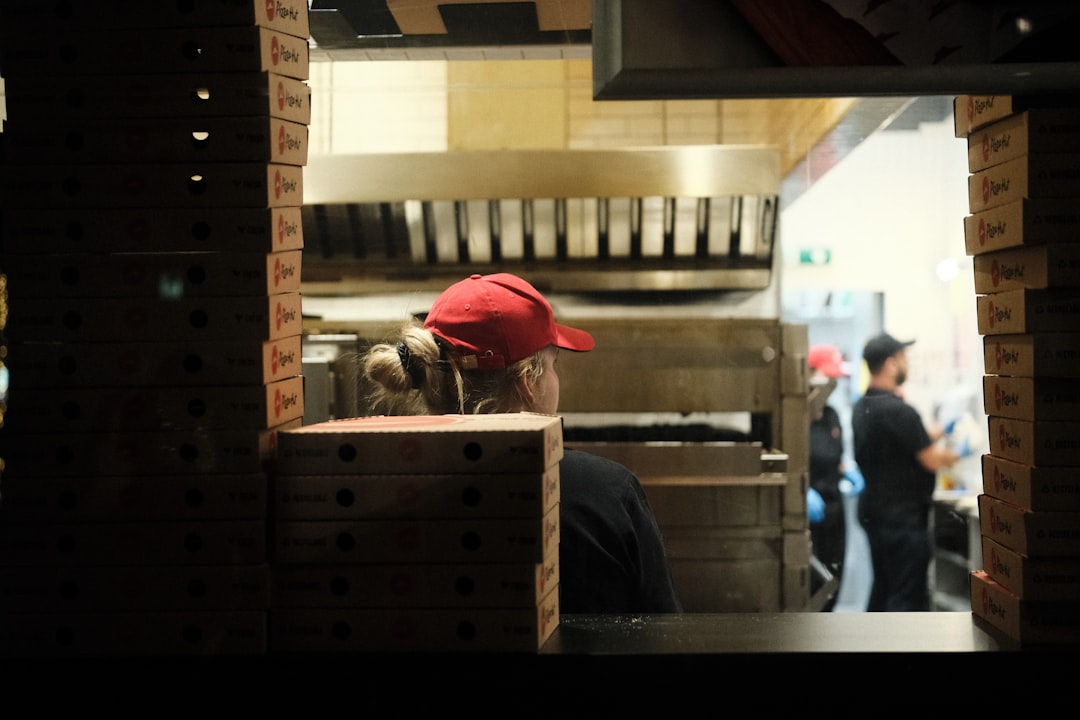
Pizza Hut is shuttering 250 locations as parent company Yum Brands conducts a "strategic review" of underperforming stores. Papa John's is closing 300 restaurants while cutting corporate staff. And a major Popeyes franchisee just filed for bankruptcy, forcing dozens of location closures.
The official explanation from these chains? Labor costs, real estate pressures, shifting consumer preferences. The real reason? People are broke.
Fast food has historically been recession-resistant because it's cheap. But when even cheap food becomes unaffordable—or consumers decide to skip meals out entirely—you know wallets are getting squeezed.
Pizza chains are particularly exposed right now. Delivery fees have become absurd. A $15 pizza becomes $30 after delivery charges, service fees, and tip. At that price point, consumers are just buying frozen pizzas or cooking at home.
Papa John's cutting corporate staff alongside store closures tells you this isn't just about closing underperforming locations. This is about a company bracing for sustained lower demand.
The Popeyes franchisee bankruptcy is even more telling. Franchisees operate on thin margins and high volumes. If volume drops even 10-15%, many can't cover rent, labor, and royalty payments. Bankruptcy is the inevitable result.
So why is demand falling? Three reasons: inflation, higher borrowing costs, and economic uncertainty.
First, food prices are still elevated from the past few years of inflation. Fast food chains passed those costs through to customers, and now a combo meal that cost $7 in 2020 costs $12. Consumers notice.
Second, interest rates are still high, meaning credit cards and auto loans are expensive. When money is tight, discretionary spending like eating out gets cut first.
Third, the Middle East conflict is driving gas prices higher, which eats directly into discretionary budgets. If you're spending an extra $50/month on gas, that's fewer fast food runs.