

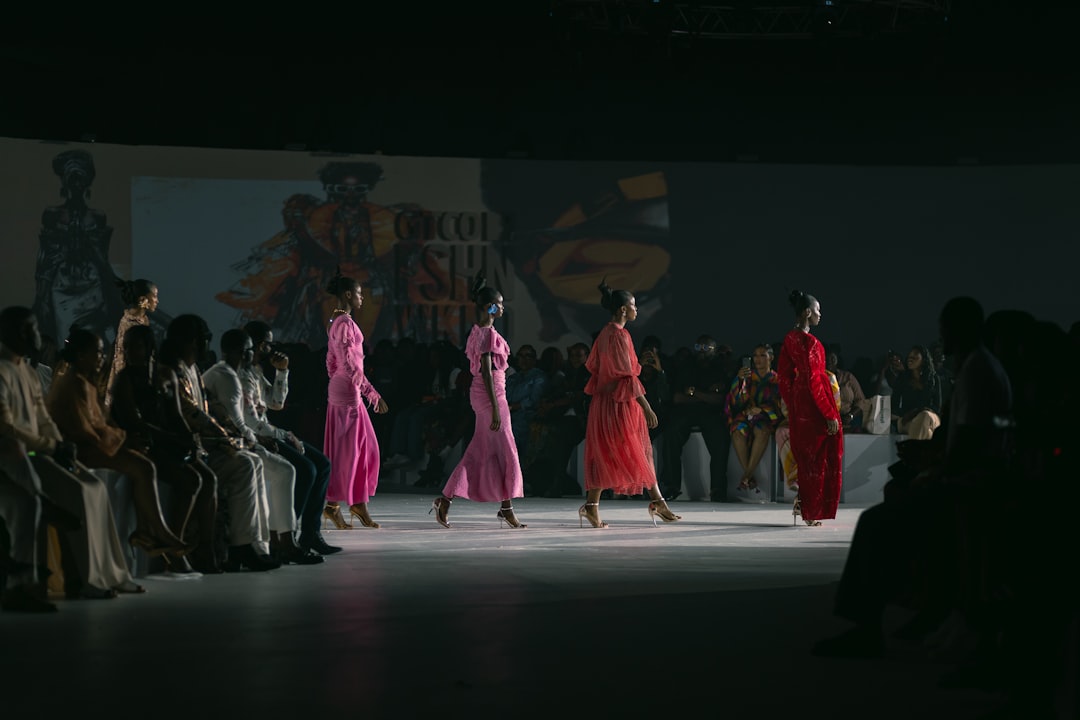
The fashion industry's claims of embracing body diversity don't survive contact with the data. A 25-year analysis of nearly 800,000 modeling records reveals that while racial diversity has genuinely increased, body-size "diversity" is largely an illusion created by rare plus-size outliers—and non-White models are 4.5 times more likely to be cast in those outlier roles.
The research, published in the Proceedings of the National Academy of Sciences, analyzed 793,199 fashion records spanning 1999 to 2024. It's the first large-scale quantitative analysis to test whether the industry's diversity rhetoric matches reality.
The findings are striking. The median model physique has not changed over 25 years. What has changed is the occasional appearance of plus-size models at fashion weeks and in advertising campaigns—high-visibility exceptions that create an impression of progress while leaving the industry's beauty standards fundamentally intact.
But here's where it gets more troubling: the researchers found that non-White models are disproportionately represented in those exceptional plus-size castings. Black, Asian, and Latina models are 4.5 times more likely to be cast as plus-size compared to their representation in straight-size modeling.
This is what researchers call intersectional inequality—where race and body size discrimination compound each other. The message, intentional or not, is that racial diversity is acceptable if it's accompanied by larger body size, reinforcing stereotypes about which bodies belong in which spaces.
The study quantifies what was previously anecdotal. We knew the fashion industry had diversity problems. But "we know" isn't the same as "we can measure." This research provides hard numbers on the gap between the industry's stated values and its actual practices.
What strikes me about this work is how it demonstrates the importance of looking beyond highly visible exceptions. Yes, there are more plus-size models on runways than there were a decade ago. That's real. But the median hasn't budged. The typical model's body size is exactly what it was 25 years ago.
This is PNAS-published research, not fashion commentary. The methodology is sound: they analyzed casting data across major fashion weeks, advertising campaigns, and editorial spreads. The sample size is enormous. The statistics are clear.


