

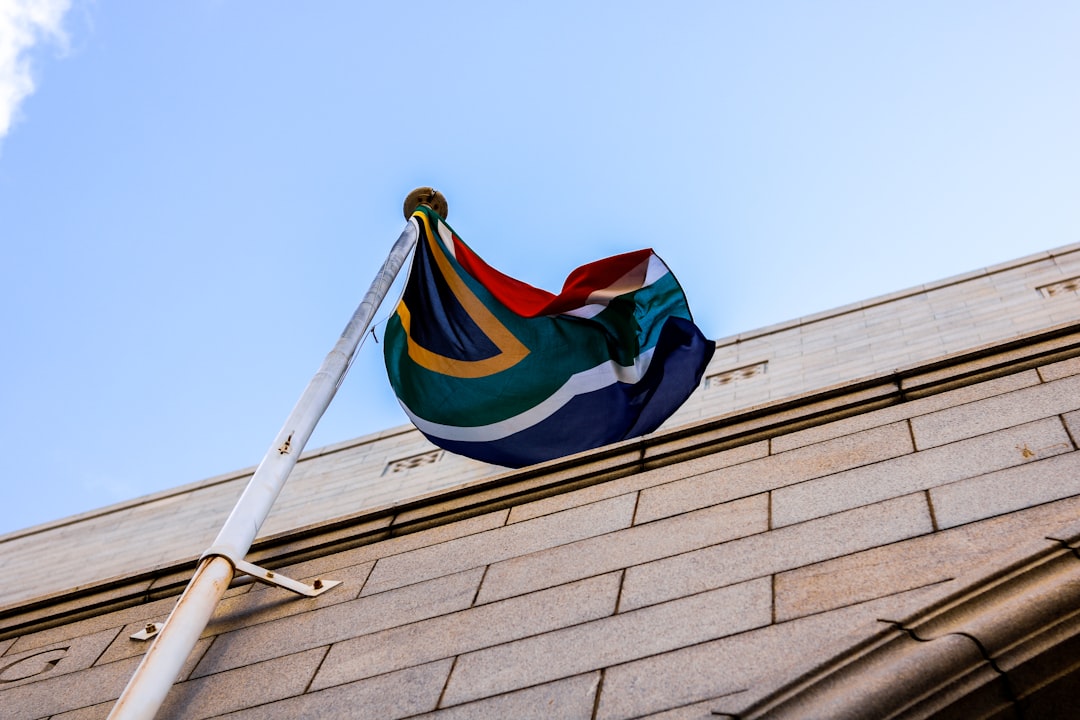
South Africa's former national police commissioner Khehla Sitole presided over an arms procurement fiasco that cost taxpayers R1 billion, exposing persistent accountability failures three decades after apartheid's end.
The scandal, detailed by TimesLIVE, centers on mismanaged contracts for specialized surveillance equipment during Sitole's tenure from 2017 to 2022. The revelation adds to mounting evidence of institutional dysfunction plaguing South Africa's security apparatus, with procurement irregularities reflecting broader patterns of state capture that characterized the presidency of Jacob Zuma.
According to investigators, the contracts involved grossly inflated pricing for surveillance technology, with multiple intermediaries extracting commissions that bloated costs to nearly triple market rates. The equipment was ostensibly intended for crime intelligence operations, yet much of it remained unused or poorly deployed, raising questions about whether operational needs genuinely drove procurement decisions or whether the purchases served primarily to facilitate graft.
The R1 billion sum represents staggering opportunity cost in a nation grappling with persistent inequality and service delivery failures. That amount could have funded thousands of police officers, equipped stations in underserved townships, or supported community safety programs in areas where crime disproportionately affects historically marginalized communities. Instead, it enriched politically connected intermediaries while leaving police capabilities largely unchanged.
Sitole resigned in 2022 amid controversy over his refusal to cooperate with parliamentary oversight, claiming privileged intelligence matters exempted him from accountability. His departure followed public confrontations with then-Police Minister Bheki Cele and Parliament's police committee, which sought explanations for the procurement irregularities and broader intelligence failures.
In South Africa, as across post-conflict societies, the journey from apartheid to true equality requires generations—and constant vigilance. The arms deal scandal illustrates how corruption undermines not just fiscal integrity but the democratic project itself. When security agencies operate beyond oversight, when procurement serves patronage networks rather than operational needs, the institutions meant to protect citizens instead extract resources from them.
/file/attachments/2991/P1Estellehantaviruscover_411095.jpg)


